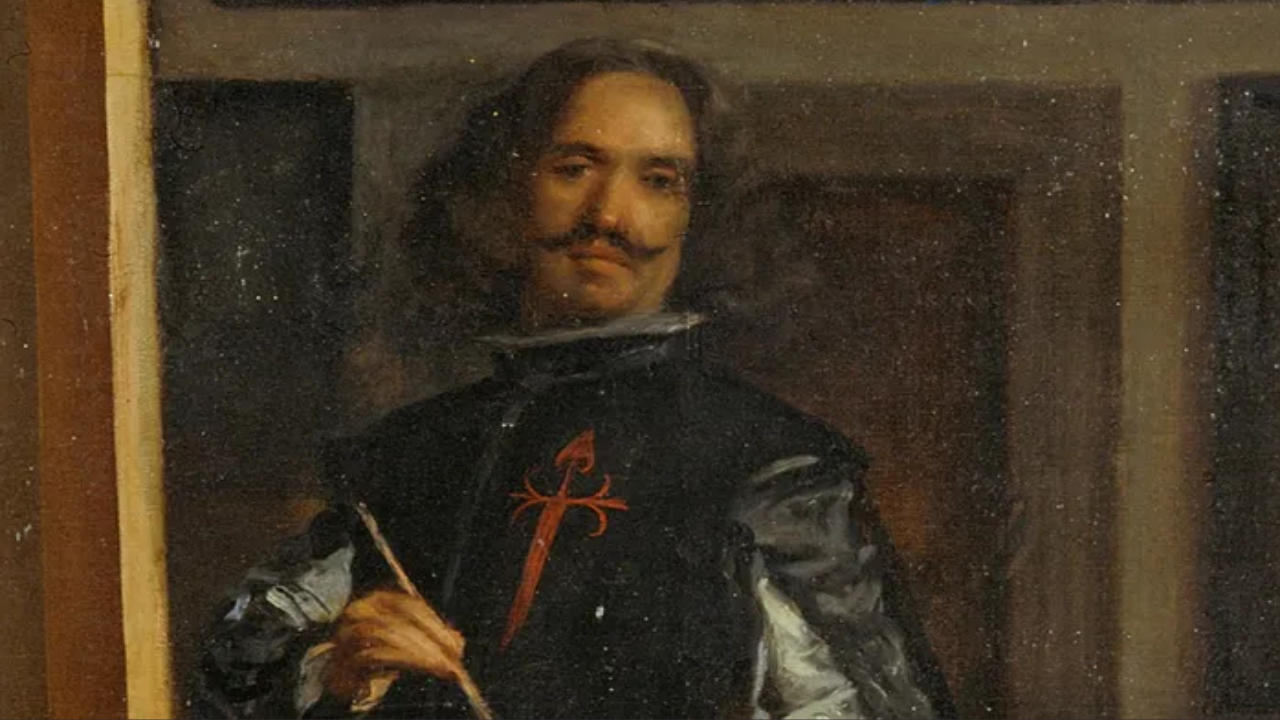
For centuries, a phantom image defined the visual legacy of the most powerful man in seventeenth-century Spain. The Count-Duke of Olivares, prime minister to King Philip IV, sat for Diego Velázquez around 1826. Yet for generations, art historians knew that prototype only through a reverse-engineered engraving crafted by Paulus Pontius. The original oil painting vanished into the fog of private inventories, European estate dispersals, and historical amnesia.
That drought ended when the J. Paul Getty Museum secured the long-lost canvas, injecting the first authentic Velázquez into a West Coast public institution. This acquisition is more than a trophy purchase for a heavily endowed southern California cultural hub. It is a calculated correction of an old geographic imbalance, signaling a quiet shift in where masterpieces migrate when private fortunes and institutional muscle intersect.
The Mechanics of the Ghost Prototype
To understand why this specific canvas matters, look past the romantic aura of a "lost masterwork" and examine the industrial reality of seventeenth-century court painting. Diego Velázquez was not merely an artist gazing into an ethereal muse; he was an executive producer of royal propaganda. The Count-Duke of Olivares was his primary corporate client. Olivares needed to project an ironclad image of statecraft, military might, and unshakeable authority across Europe.
The newly surfaced portrait—an oil-on-canvas study measuring roughly twenty-four by nineteen inches—serves as the prime archetype from which the famous engravings and secondary studio copies were spawned. X-ray analysis and technical inspection reveal the characteristic repentimenti—alterations made by the artist's hand during the creative process—that separate a primary prototype from a workshop replica. Velázquez adjusted the collar line, reworked the tension in the jaw, and sharpened the glint of steel on the armored bust.
For decades, scholars relied entirely on ink-on-paper prints to study this phase of Velázquez's stylistic takeoff. Having the physical paint surface back in circulation alters how we trace the rapid evolution of his brushwork, moving away from flat documentation toward tactile reality.
Shifting the Transatlantic Axis
For a long time, acquiring top-tier Spanish Baroque paintings meant navigating a closed ecosystem dominated by East Coast institutions like the Metropolitan Museum of Art or European heavyweights like the Prado. The West Coast was largely locked out of the primary Velázquez market. Private California collectors occasionally bought Old Masters, but public museums on the Pacific Rim rarely secured foundational works by the man Édouard Manet famously labeled the "painter of painters".
When the painting leaves the Getty Center's East Pavilion to travel for specialized exhibitions, it underscores a broader realignment. Major acquisitions are increasingly fueled by institutions that can pair massive preservation endowments with rigorous provenance research. The Getty did not stumble upon this painting in an attic; it was vetted through archival detective work—matching a 1631 inventory from Rome's Barberini family collection and surviving correspondence between Olivares and Flemish printmakers.
This is forensic art history at scale. The financial investment required to authenticate, secure, and insure a rediscovered Velázquez narrows the field of competing buyers to a handful of global entities. Smaller regional museums are routinely priced out, widening the gap between institutions that shape global art narratives and those that merely observe them.
The Valuation Paradox of Rediscovered Masters
When a painting transitions from an invisible footnote known only through engravings to an authenticated anchor in a museum permanent collection, its economic footprint shifts overnight. The market value of a rediscovered master does not rest solely on square inches of canvas or pigment composition. It rests on pedigree security.
Private owners and intermediary dealers understand that institutional acquisition acts as the ultimate validation stamp. Once an entity like the Getty absorbs a work into its permanent inventory, the piece exits the speculative private market indefinitely. It ceases to be an asset class traded among anonymous shell companies or offshore trust funds. It becomes cultural infrastructure.
Yet this dynamic creates an insular loop. The higher the price ceiling for authenticated Old Masters climbs, the more vulnerable the market becomes to hyper-scarcity. There are only so many genuine Velázquez canvases left uncounted in private vaults. Each time one is locked inside a heavily guarded public trust in Los Angeles or London, the remaining pool for independent study shrinks.
The Count-Duke of Olivares now gazes outward from the Getty walls, looking across a landscape of global art commerce that he helped birth through court politics four centuries ago. The ghost in the engraving has finally materialized in pigment, shifting the center of gravity for Spanish Baroque studies thousands of miles away from Madrid, straight onto the Pacific edge.