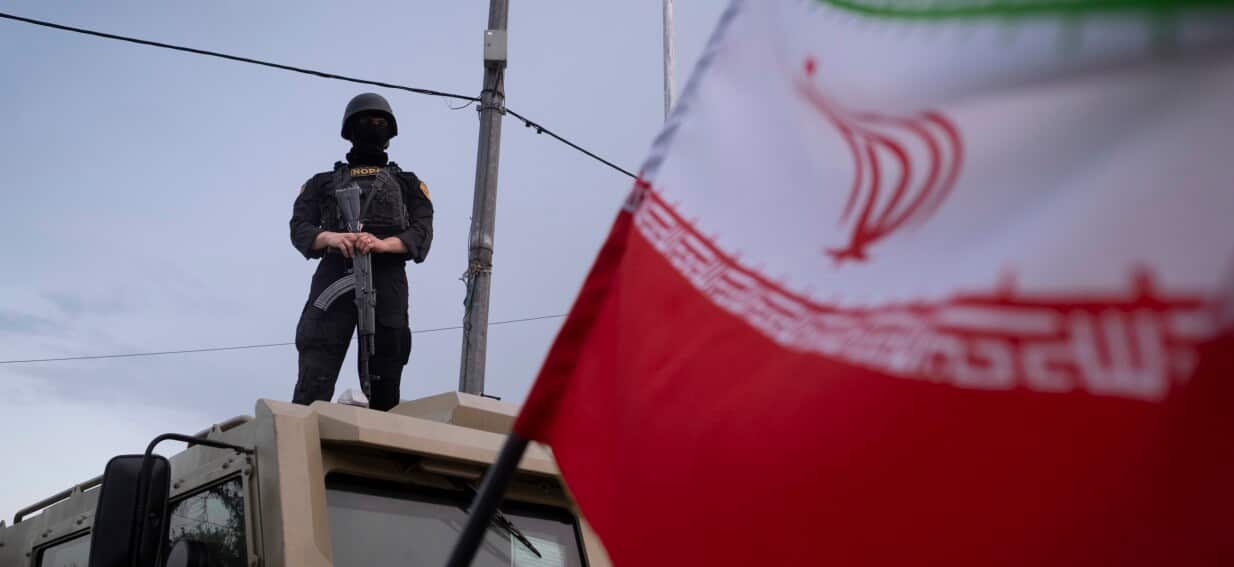
The rejection of Iran’s latest diplomatic overture by the Trump administration functions not as a singular event of dismissal, but as a deliberate application of the "Maximum Pressure" doctrine designed to exploit asymmetric economic vulnerabilities. In the calculus of Washington’s current foreign policy, a proposal is not evaluated on its face-value concessions, but on its capacity to meet a specific threshold of systemic behavioral change. By examining the structural incentives and the breakdown of regional leverage, we can define why the administration views early settlement as a strategic liability rather than a diplomatic victory.
The Triad of Non-Negotiable Requirements
Diplomacy between these two entities fails when the internal logic of their respective survival strategies diverges. The administration’s refusal to engage with the current proposal stems from a failure to address three core structural pillars: If you found value in this article, you should look at: this related article.
- The Enrichment Ceiling: Any proposal that maintains a latent breakout capacity—defined as the time required to produce enough weapons-grade uranium for a single nuclear device—is viewed as a temporary pause rather than a permanent solution. The administration demands a total dismantling of the enrichment infrastructure, viewing "limitations" as mere delays.
- Regional Kinetic Containment: Iran’s influence via proxy networks in Lebanon, Iraq, and Yemen operates as a low-cost, high-impact defense mechanism. The U.S. strategy treats nuclear capability and regional expansion as an integrated threat vector. A proposal that addresses one while ignoring the other is categorized as strategically incomplete.
- The Verification Paradox: Verification under previous frameworks relied on managed access. The current U.S. position requires "anytime, anywhere" inspections. From Tehran’s perspective, this is an unacceptable breach of sovereignty; from Washington’s, anything less is an invitation to clandestine activity.
The Economic Attrition Mechanism
The U.S. rejection is predicated on the belief that the "Cost of Persistence" for Iran is rising faster than the "Cost of Sanctions" for the United States. This is a cold quantification of macroeconomic pain versus political willpower.
The Iranian economy experiences a specialized form of Dutch Disease, where the central government’s reliance on oil revenue creates a single point of failure. By blocking the Swift banking network and sanctioning oil exports, the U.S. induces a liquidity crisis that cannot be solved by internal bartering or secondary trade with non-aligned powers like China or Russia. For another perspective on this development, refer to the recent update from The Guardian.
This creates a Descending Utility Curve for the Iranian leadership:
- Phase 1: Resilience. The state uses foreign exchange reserves to subsidize basic goods and maintain civil order.
- Phase 2: Cannibalization. Reserves dwindle, leading to currency devaluation (Rial depreciation) and the selling off of state assets or high-interest domestic borrowing.
- Phase 3: Structural Instability. Hyperinflation renders the subsidies ineffective, leading to civil unrest and a potential realignment of internal power structures between the civilian government and the Revolutionary Guard.
The Trump administration’s rejection signals their belief that Iran is currently entering Phase 2, and therefore, the U.S. possesses the leverage to demand a total surrender of nuclear ambitions rather than a compromise.
The Logic of Strategic Impatience
Standard diplomatic theory suggests that an adversary should be given an "off-ramp" to prevent desperate escalations. However, the current strategy operates on the inverse principle: Strategic Impatience. By rejecting the proposal, the U.S. forces Iran to either escalate—thereby justifying further international isolation—or return with significantly deeper concessions.
This creates a bottleneck in Iranian decision-making. The Iranian leadership faces a "Two-Level Game" where any concession made to Washington risks delegitimizing the hardline factions at home. Conversely, refusing to concede risks a total economic collapse. The U.S. rejection effectively bets that the threat of internal collapse will eventually outweigh the threat of domestic political backlash.
Asymmetric Escalation and the Risk of Miscalculation
While the U.S. holds the economic advantage, Iran retains the "Asymmetric Kinetic Advantage." This is the ability to disrupt global markets and security without engaging in a conventional, full-scale war.
- Maritime Chokepoints: The Strait of Hormuz remains the primary pressure point. Even a credible threat of closure spikes global insurance premiums for tankers, creating an indirect tax on the global economy.
- Cyber Warfare: Iran has demonstrated sophisticated capabilities in targeting financial institutions and critical infrastructure. This is a "Zero-Cost" escalation tool that bypasses traditional missile defenses.
- Proxy Attrition: Increasing the operational tempo of allied groups in the Levant forces the U.S. to divert resources and political capital to regional stabilization, potentially exhausting domestic appetite for a prolonged standoff.
The administration’s refusal to accept the proposal indicates a high tolerance for these asymmetric risks. The internal logic suggests that the disruption caused by these actions is a price worth paying for the long-term goal of a neutered Iranian state.
The Role of External Power Brokers
The rejection also serves as a signal to secondary actors, specifically the European Union, China, and Russia. By maintaining a hardline stance, the U.S. effectively nullifies the effectiveness of the INSTEX mechanism (the European vehicle designed to bypass sanctions). If the U.S. refuses the "Grand Bargain," third-party corporations will continue to choose access to the U.S. financial system over the relatively small Iranian market.
This creates a "Sanctions Vacuum." Without U.S. approval, no proposal—no matter how technically sound—can provide Iran with the economic relief it requires. This makes the U.S. the sole arbiter of Iran's economic survival, regardless of the multilateral nature of previous agreements like the JCPOA.
Behavioral Modification vs. Regime Collapse
A critical ambiguity in the current U.S. strategy is the distinction between behavioral modification and regime change.
- Behavioral Modification implies that if Iran meets the 12 demands famously outlined by the State Department, the sanctions will be lifted.
- Regime Change implies that the sanctions will remain until the current governing structure is replaced.
The rejection of the latest proposal, which likely offered moderate behavioral shifts, suggests that the administration is either aiming for a total capitulation that borders on regime transformation or is waiting for the Iranian state’s internal pressures to reach a breaking point.
Operational Constraints of the US Strategy
The efficacy of the current rejection is limited by two primary variables: global oil prices and the timeline of the U.S. election cycle.
If global oil supplies tighten due to other geopolitical shocks, the U.S. may face pressure from domestic consumers and international allies to allow Iranian crude back onto the market. Furthermore, Tehran is acutely aware of the U.S. political calendar. They may adopt a "Waiting Game" strategy, enduring maximum pain in the hope of negotiating with a future administration that might offer more favorable terms. This creates a race between Iran’s economic endurance and the U.S. political clock.
The strategic play now moves to the "Escalation Ladder." To regain leverage, Iran must find a way to make the status quo more expensive for the United States than the cost of a compromise. To maintain leverage, the U.S. must ensure that its sanctions regime remains leak-proof while avoiding a "hot war" that would destabilize the global energy market and erode domestic support.
The immediate requirement for the administration is the fortification of the sanctions net. This involves increasing the diplomatic cost for countries like India or Turkey to continue purchasing Iranian energy products and expanding the list of sanctioned entities to include the logistical and shadow-banking networks that Iran uses for "grey market" trade. Failure to close these leaks will result in a plateau of the Maximum Pressure strategy, allowing Iran to reach a "Survival Equilibrium" where they can endure the current level of pain indefinitely.