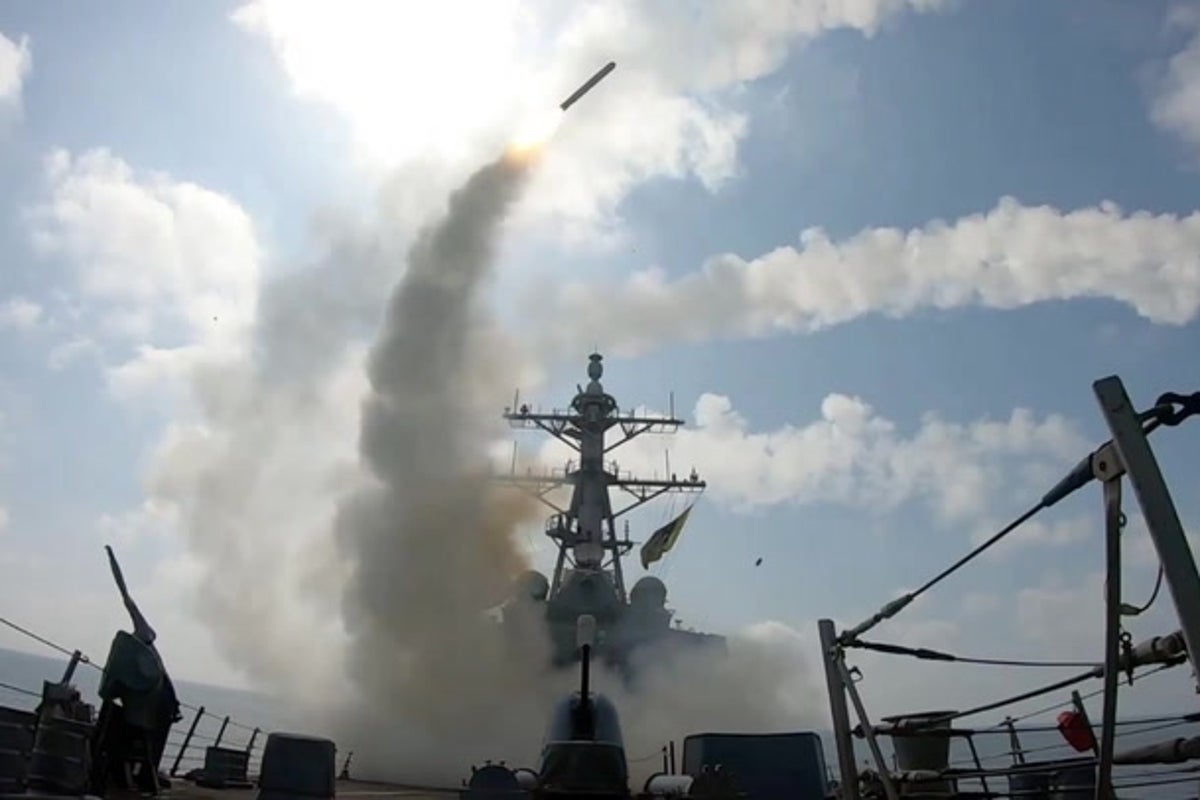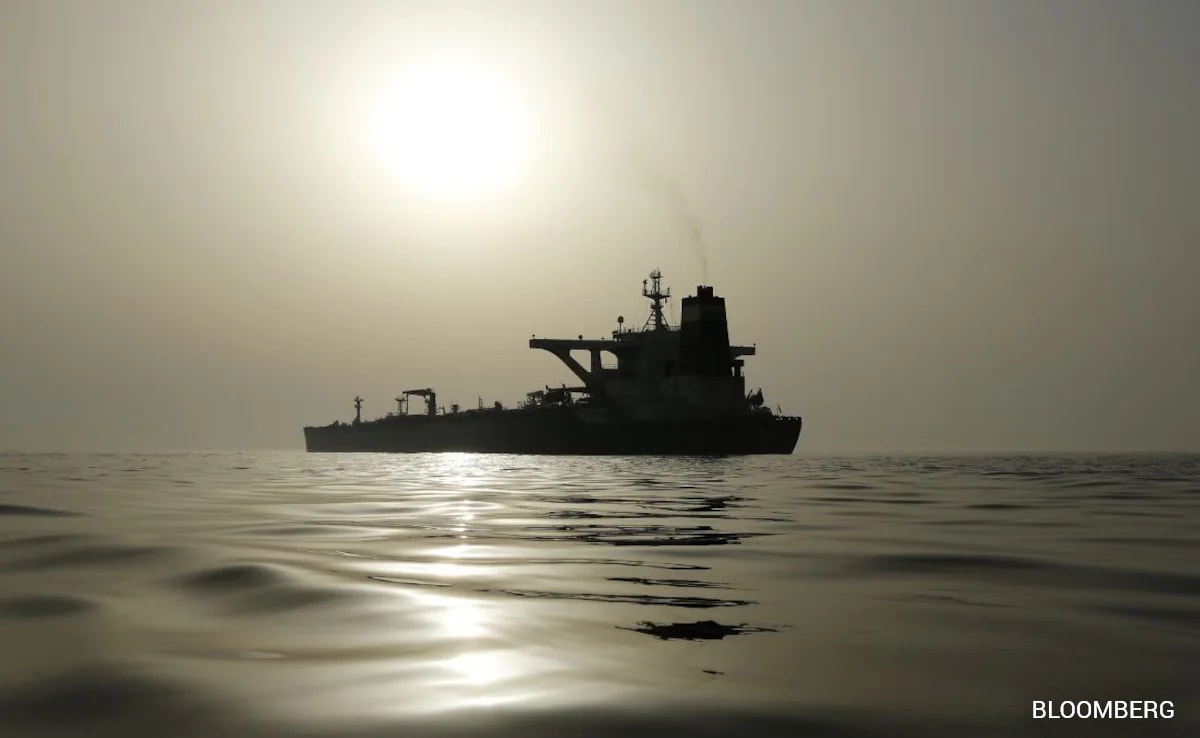
The Strait of Hormuz is not merely a geographic corridor; it is a binary switch for global energy liquidity. When naval warnings follow kinetic military action—such as US-led strikes against Houthi positions—the maritime industry shifts from a "business-as-usual" efficiency model to a "risk-mitigation" survival model. The decision by major oil tanker operators to avoid the Strait represents a fundamental recalculation of the Value at Risk (VaR) for every transit. This shift is driven by three distinct systemic pressures: insurance volatility, physical asset security, and the breakdown of predictable international maritime law.
The Triad of Maritime Risk Displacement
The decision to divert or halt tanker traffic is rarely a visceral reaction to headlines. It is a calculated response to the corruption of the three pillars that support maritime commerce.
1. The Insurance Escalation Function
Marine insurance is the invisible floor of global trade. In the wake of military strikes and subsequent naval warnings, the "War Risk" premium—a supplemental cost added to standard Hull and Machinery (H&M) insurance—undergoes non-linear spikes.
- Standard Premiums: Calculated on annual vessel value and safety records.
- War Risk Premiums: Calculated as a percentage of the ship’s total value (often $100M+ for a VLCC) per single transit.
- The Threshold of Divergence: When war risk premiums exceed the operational cost of a longer route (e.g., around the Cape of Good Hope), the economic incentive for using the Strait of Hormuz vanishes.
2. Kinetic Threat Vectors and Asymmetric Warfare
Traditional naval doctrine focuses on state-on-state engagements. However, the current threat in the Strait and the neighboring Red Sea involves asymmetric actors utilizing low-cost, high-impact technology. The cost-to-kill ratio favors the aggressor; a $20,000 loitering munition can disable a $150 million vessel, creating a massive negative ROI for the carrier.
3. Legal and Sovereignty Erosion
The United Nations Convention on the Law of the Sea (UNCLOS) provides for "transit passage" through international straits. When naval forces issue warnings, they signaling that the "freedom of navigation" norm has been superseded by a "state of exception." For a vessel master, a naval warning is a legal trigger that may void certain indemnities if ignored, forcing a tactical pause regardless of the cargo's urgency.
Quantifying the Bottleneck: The Mechanics of Hormuz
To understand why a closure or avoidance of the Strait is catastrophic, one must look at the flow rate. Approximately 20–21 million barrels of oil per day (bpd) pass through this 21-mile-wide waterway. That represents roughly 20% of global liquid petroleum consumption.
The Elasticity of Supply Chains
The global oil market operates on a "just-in-time" delivery system. Crude oil tankers (VLCCs and Suezmaxes) act as floating pipelines. When these pipes are bent—meaning vessels are rerouted or anchored in wait—the "velocity of supply" drops.
- The Lead-Time Penalty: Rerouting a tanker from the Persian Gulf to Europe around Africa adds approximately 15 to 20 days to the journey.
- The Inventory Shock: This delay effectively removes millions of barrels from the immediate global supply, forcing refineries to draw down on strategic reserves, which in turn triggers speculative price increases in Brent and WTI futures.
The Feedback Loop of Naval Warnings
A naval warning issued by the Combined Maritime Forces (CMF) or the UK Maritime Trade Operations (UKMTO) creates a feedback loop.
- Initial Strike: Military action occurs.
- Preemptive Warning: Navies advise caution or avoidance.
- Algorithmic Reaction: Tanker tracking software detects "dark" ships (AIS turned off) or course deviations.
- Market Panic: Brent Crude prices tick upward due to perceived scarcity.
- Operational Paralysis: Ship owners wait for "clearance" that rarely comes in a definitive form, extending the supply disruption.
Structural Vulnerabilities in Global Energy Transit
The avoidance of the Strait of Hormuz exposes the fragile architecture of global energy security. There are no viable terrestrial alternatives that can match the throughput of the Strait.
The Pipeline Limitation
While Saudi Arabia and the UAE have pipelines (such as the East-West Pipeline) that can bypass the Strait, their collective capacity is roughly 6.5 to 7 million bpd. This leaves a deficit of over 13 million bpd that has no alternative exit. If the Strait is avoided by the majority of the fleet, the global economy faces a structural energy deficit that cannot be "solved" through infrastructure in the short term.
The Labor and Crewing Crisis
A factor often ignored in high-level strategy is the human element. Modern maritime contracts often include "high-risk area" clauses. When a region is flagged following US strikes and naval warnings:
- Crews may refuse to enter the zone.
- Wage premiums for "danger pay" must be negotiated.
- Mental fatigue increases, leading to higher risks of navigational error or mechanical failure.
The Strategic Calculus of the Carrier
A strategy consultant for a major shipping line like Maersk or Frontline evaluates the situation using a weighted risk matrix.
| Risk Factor | Impact Severity | Probability (Post-Strike) | Mitigation Strategy |
|---|---|---|---|
| Hull Loss/Seizure | Critical | Elevated | Total avoidance of the Strait |
| Premium Spike | High | Certain | Pass-through costs to charterers |
| Reputational Damage | Medium | Moderate | Aligning with US/UK naval guidance |
| Operational Delay | Low | Absolute | Buffer stock management |
The transition from "Elevated" to "Critical" risk is what we are seeing now. The US strikes are intended to restore deterrence, but in the immediate term, they achieve the opposite: they validate the threat. By striking, the US confirms that the environment is no longer safe for unescorted commercial traffic.
Disruption of the LNG Matrix
While crude oil dominates the conversation, the Strait of Hormuz is the primary exit for Qatari Liquefied Natural Gas (LNG). Unlike oil, which can be stored relatively easily, LNG is part of a highly rigid supply chain. Power grids in Europe and Asia depend on the precise arrival of these cryogenic vessels. A multi-week disruption in Hormuz-based LNG transit poses a direct threat to industrial baseload power in the Northern Hemisphere, particularly during peak heating or cooling seasons.
The Failure of Deterrence and the New Maritime Norm
The fundamental assumption of maritime trade has long been that the oceans are a "global commons" protected by the hegemon (the US Navy). The current avoidance of the Strait signals a breakdown in this assumption.
The US strikes against Houthi infrastructure or Iranian-backed assets are attempts to re-establish a "cost of aggression." However, the deterrent effect is delayed. During the interval between the strike and the potential cessation of hostilities, the "Risk Gap" is at its widest.
Identifying the "Risk Gap"
The Risk Gap is the period where the aggressor feels compelled to retaliate to save face, and the defender has not yet established a total security umbrella. In this gap, commercial shipping is the most vulnerable target. For a CEO of a tanker firm, the rational move is to "wait and see." This pause is what effectively closes the Strait, even if no physical blockade exists.
The Cost of a "Soft Closure"
We are currently witnessing a "soft closure." A hard closure involves mines or a physical blockade. A soft closure is driven by data, insurance, and fear. The economic impact is largely the same:
- Increased Bunker Fuel Consumption: Longer routes require more fuel, increasing the carbon footprint and operational overhead.
- Vessel Tightness: Longer trips mean ships are tied up for longer periods, reducing the "available" fleet and driving up charter rates globally—not just in the Middle East.
Strategic Reconfiguration for Energy Buyers
For entities reliant on Hormuz-transit energy, the strategic play is no longer optimization, but redundancy.
- Accelerate Strategic Petroleum Reserve (SPR) Refilling: Countries must treat the current volatility as a permanent feature of the 2020s, not a bug.
- Contractual Force Majeure Preparedness: Legal teams must review "Act of War" clauses to determine where the financial liability for undelivered cargo rests.
- Diversification of Source: The premium for Atlantic Basin (West African or US) crude will increase as it bypasses the Middle Eastern chokepoints entirely.
The avoidance of the Strait of Hormuz following naval warnings is a rational market response to the death of "safe" seas. The era of low-cost maritime security has ended. Operators must now price in the reality that global chokepoints are contested spaces where the cost of entry is no longer just fuel and labor, but the potential loss of the asset itself. Companies should immediately shift to a "Cape-first" routing logic for all high-value energy assets until a multi-national convoy system is not just promised, but operational and proven.