Western media organizations operate under a comforting, dangerous delusion. They believe that when an authoritarian regime locks up a dissident, the correct response is to issue a sternly worded statement, demand medical release, and wait for the regime's conscience to kick in.
We saw this exact script play out yet again with the coverage surrounding Andrzej Poczobut, the Belarusian-Polish journalist serving an eight-year sentence in a high-security penal colony. When reports emerged that his health had dangerously deteriorated behind bars, the immediate, predictable reaction from human rights organizations and international media was to demand his immediate release on humanitarian grounds.
It is a deeply moving sentiment. It is also completely useless.
Treating the imprisonment of political dissidents in Belarus as a human rights violation that can be solved by public shaming misses the entire mechanics of modern authoritarian survival. Minsk does not view prisoners like Poczobut as criminals to be rehabilitated, nor do they view them as simple domestic nuisances. They view them as sovereign assets. To demand their release based on appeals to health or international law is to bring a butter knife to a drone fight.
If we want to actually change the outcomes for political prisoners under regimes like Alexander Lukashenko’s, we have to stop treating these situations as legal crises and start treating them as hostage negotiations.
The Sovereign Asset Strategy
Let's look at the cold math of authoritarian survival. Dictatorships do not arrest high-profile journalists by accident. They do not hold them out of sheer bureaucratic inertia. In the geopolitical landscape shaped by the aftermath of the 2020 Belarusian protests and the ongoing war in Ukraine, political prisoners serve distinct, practical functions for the state apparatus.
The Internal Deterrent
The primary function is domestic terror. The harsher the conditions, the more public the suffering, the higher the psychological cost for anyone else thinking about picking up a pen or a camera. A sick journalist in a penal colony is not a PR failure for Lukashenko; it is a feature of the system. It sends a clear message to the remaining underground press: This is what happens, and no one can save you.
The Diplomatic Leverage Point
The secondary function is external equity. Prisoners are chips. Dictatorships accumulate chips when they are under sanctions because they know that eventually, Western democracies will want those chips back.
Consider the historical precedent. For decades, the Soviet Union used the exit visas of Jewish dissidents as a currency to trade for trade concessions or grain shipments from the United States. Romania’s Nicolae Ceaușescu literally sold the emigration rights of ethnic Germans back to West Germany for hard cash, charging between 1,800 and 11,000 Deutsche Marks per person depending on their education level.
Lukashenko understands this mechanics perfectly. By holding a prominent member of the Polish minority like Poczobut, Minsk holds a direct lever over Warsaw. They are waiting for the right moment of economic or diplomatic pressure to cash that chip in.
When Western NGOs issue press releases screaming about a prisoner's failing health, they do not shame the regime into compliance. They merely confirm to the regime that the asset they hold is highly valuable. They tell the captor exactly how much the hostage is worth to the outside world, effectively driving up the asking price.
The Failure of the Sanctions Status Quo
The standard playbook for dealing with these situations is a combination of public condemnation and targeted economic sanctions. The logic goes like this: if we make the economic pain high enough, the regime will capitulate and release the prisoners.
I have spent years analyzing the economic friction points between Western trade blocs and isolated regimes. The reality is that sanctions are a slow, blunt instrument being used to solve an acute, time-sensitive crisis.
[Western Sanctions] -> [Economic Hardship] -> [Regime Adapts/Smuggles] -> [Zero Change in Prisoner Status]
Sanctions fail to free political prisoners for three fundamental reasons:
- The Autocratic Insulation: The elite ruling class in Minsk does not feel the sting of a banned luxury import or a blocked financial transaction the way the general populace does. Their survival is guaranteed by parallel economies and state-backed monopolies.
- The Asymmetrical Lifeline: Belarus is not operating in a vacuum. Every economic door the West closes forces Minsk deeper into the economic and military embrace of Moscow. The Kremlin is more than willing to subsidize Lukashenko’s economic shortfalls in exchange for strategic alignment and military positioning.
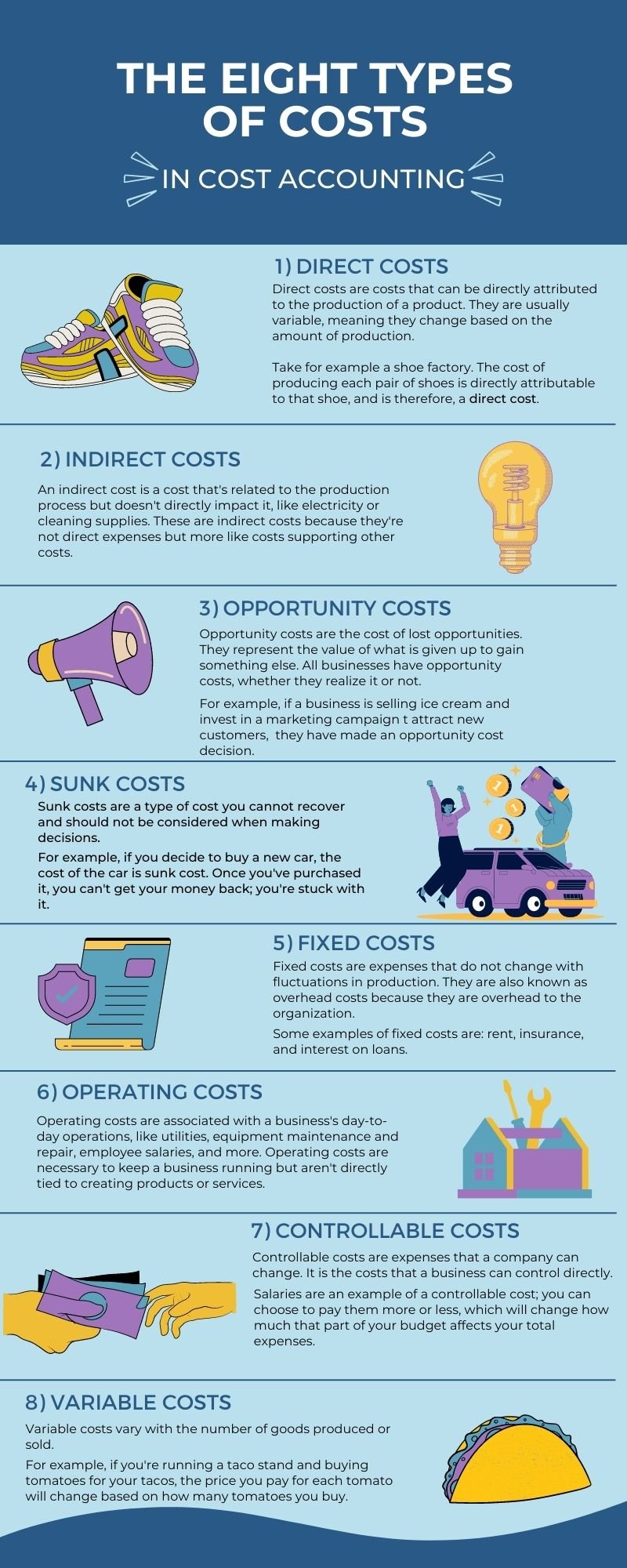
- The Sunk Cost Fallacy: Once a regime has taken the geopolitical hit for locking up journalists and defying the West, backing down unconditionally offers them zero return on investment. If they release a high-profile prisoner for nothing, they look weak domestically and gain nothing internationally.
Dismantling the PAA Preservers
When public discussions happen around figures like Poczobut, the same superficial questions dominate search feeds and panel discussions. Let’s answer them by destroying the flawed premises they rely on.
"Can international law force Belarus to release sick journalists?"
No. Stop asking this. International law only exists to the extent that sovereign nations are willing to enforce it via economic blockades or military action. The United Nations Human Rights Committee can issue all the opinions it wants; it lacks an enforcement mechanism. Dictatorships treat international law like an à la carte menu—they take what benefits them and ignore the rest. Believing that a treaty or a covenant has magical powers to open a prison door in Novopolotsk is a form of willful intellectual blindness.
"Why won't the regime grant medical clemency?"
Because in the logic of a totalitarian state, showing mercy to an enemy of the state is a sign of vulnerability. If the regime releases a prisoner because they are sick, it signals to the opposition that the state can be pressured through humanitarian leverage. Totalitarian regimes survive on the myth of absolute invulnerability. They would rather a prisoner die in a cell and deal with the subsequent forty-eight hours of bad international press than signal to their own populace that the state blinked first.
The Cold, Transactional Alternative
If the goal is actually to save lives rather than to look virtuous on social media, the approach must change completely. We have to stop treating this as a moral crusade and start treating it as a transactional negotiation.
This means Western governments need to adopt a strategy that recognizes the regime’s true motivations.
1. Establish Direct, Quiet Channels
Public diplomacy is theatre. It forces both sides into entrenched positions where compromise is impossible without losing face. The most effective prisoner exchanges in history—including the massive multi-nation swaps involving Russia and the West—were negotiated entirely in the dark, away from the cameras, by intelligence agencies and back-channel diplomats.
2. Treat Freedom as a Purchase, Not a Right
If the regime views prisoners as assets, then the West must be prepared to pay the market price or offer a direct asset swap. This requires a willingness to get dirty. It means being willing to trade frozen state assets, ease specific, targeted transport restrictions, or swap captured espionage agents for journalists and activists.
It is a deeply uncomfortable reality. It offends our sense of justice to suggest that a democratic nation should trade tangible economic or strategic concessions to an authoritarian regime just to get an innocent person back. It looks like capitulation. It looks like rewarding bad behavior.
But here is the brutal truth: the alternative is watching those innocent people die in concrete cells while we write beautiful obituaries about their courage.
We can either have our moral purity, or we can have our people back. We cannot have both.
Turn off the microphones. Close the press briefbooks. Stop demanding justice from a system that is designed explicitly to destroy it. Pick up the phone, find out what the regime wants, and start haggling.