The Illusion of Control
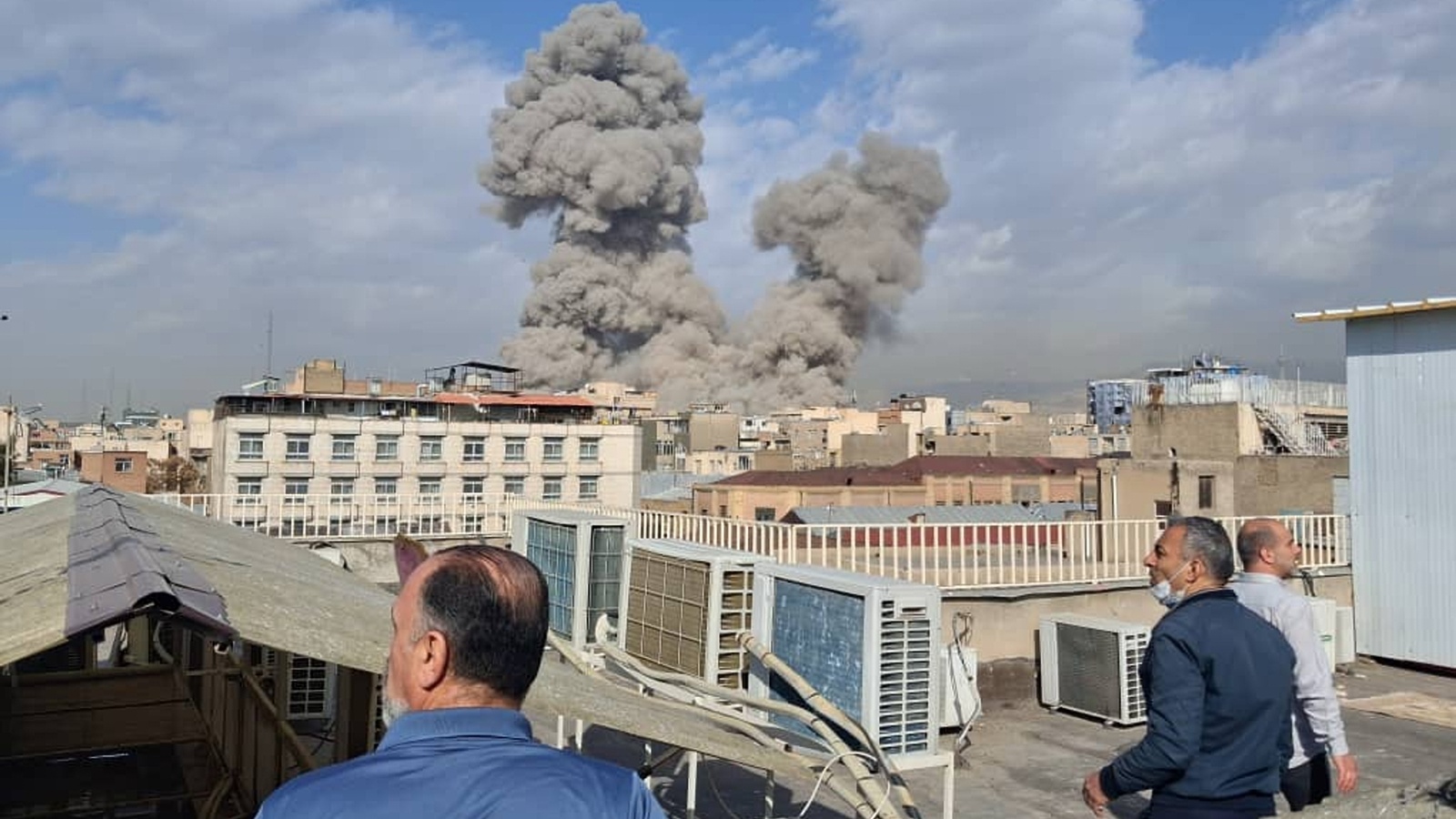
The media reaction to American military strikes on Iranian-backed facilities and the simultaneous ink on a Saudi nuclear agreement follows a predictable, tired script. Pundits paint a picture of deliberate power projection. They spin a narrative of a calculated regional rebalancing, where precision strikes deter aggression and strategic treaties anchor long-term stability.
It is a fantasy.
What the mainstream analysis misses entirely is that these two moves are not evidence of a master strategy unfolding in West Asia. They are frantic, reactive attempts to patch a leaking dam. Washington is operating under the archaic assumption that mid-20th-century statecraft can dictate the terms of a hyper-fragmented, multipolar region.
The core assumption—that hitting regional proxies enforces deterrence—has been tested and broken for over twenty years. Strikes do not project power; they advertise a lack of structural alternatives.
Deterrence Is Dead. Stop Acting Like It Works.
Every time US munitions hit targets in Syria, Iraq, or Yemen, Western intelligence apparatuses brief the press on "signals sent" and "capabilities degraded."
Let us look at the actual mechanics of modern asymmetric warfare.
Regional non-state actors operate on a radically lower cost-curve than traditional military powers. Launching an assembly-line attack drone costs a fraction of the interceptor missile fired to destroy it. When a foreign power conducts retaliatory strikes, it exchanges multi-million-dollar ordnance for cheap infrastructure that is rebuilt within weeks.
Asymmetric Cost Imbalance:
Attack Drone Cost:      $20,000
Interceptor Missile:    $1,500,000 to $3,000,000
This is not strategic deterrence. It is a war of economic attrition where the defending superpower bleeds capital while the insurgent network collects operational data.
I have watched policy analysts spend decades evaluating these military responses as if they exist on a traditional balance sheet. They do not. Hitting proxy infrastructure without altering the underlying political economy of the proxy network achieves zero strategic leverage. It merely reinforces the operational necessity for those groups to exist.
The Saudi Nuclear Pact Isn't a Pivot—It's a Ransom
The headlines treat the US-Saudi nuclear deal as a triumph of diplomacy—a grand bargain securing Riyadh’s alignment for generations.
Strip away the diplomatic gloss and look at the leverage dynamics.
Riyadh is not being drawn closer into the Western orbit out of ideological alignment or strategic necessity. Saudi leadership recognized early that the global order is fragmenting. By courting alternative trade partners and negotiating entry into eastern economic blocs, they created maximum leverage over Washington.
The nuclear agreement is not a triumph of American influence. It is the price Washington pays to keep Saudi Arabia from fully diversifying its strategic portfolio elsewhere.
The fundamental flaw in current diplomatic analysis is treating Middle Eastern sovereign nations as client states. They are no longer choosing sides; they are playing markets.
What the Consensus Gets Wrong About the Deal:
- The Fallacy: Securing a civil nuclear pipeline locks Saudi Arabia into a long-term Western defense umbrella.
- The Reality: It accelerates technological transfer while leaving Riyadh free to trade energy in whatever currency yields the highest return.
- The Risk: Washington assumes the risk of proliferation defense while outsourcing the strategic benefits to a partner that actively balances relations with rival superpowers.
The Misunderstood Economy of West Asian Escalation
If you want to understand why escalation keeps happening despite endless defense pacts and carrier strike groups, look at the incentives driving regional political structures.
Stability in West Asia does not suit every major actor. For non-state networks, perpetual low-level friction is the economic engine. It justifies resource flows, secures political relevance, and maintains mobilization among local populations.
When Western policy makers attempt to enforce peace through economic sanctions and targeted kinetic strikes, they inadvertently reinforce the very black-market economies that sustain these groups. Sanctions create supply bottlenecks. Supply bottlenecks inflate black-market margins. Higher margins fund better networks.
It is a self-sustaining ecosystem funded by the policy meant to destroy it.
| Traditional Assumption | Operational Reality |
|---|---|
| Military strikes degrade proxy capacity | Strikes provide operational testing and drive recruitment |
| Nuclear pacts buy regional loyalty | Pacts subsidize diversification strategies for rising powers |
| Sanctions isolate hostile regimes | Sanctions create high-margin shadow economies that fund proxies |
The Hard Reality of the New Regional Architecture
Western strategy continues to treat West Asia as an arena where outside powers design the architecture and local states fall in line. That world ended a decade ago.
The regional players—from Ankara and Riyadh to Tehran and Abu Dhabi—are pursuing aggressive, transactional realism. They build defense partnerships with Washington, energy corridors with Beijing, and trade networks with Moscow, often simultaneously.
When a superpower drops bombs on one side of the region while signing defense treaties on the other, it isn't playing high-level chess. It is struggling to keep up with a local matrix of interests that has outgrown Western diplomatic frameworks.
If you are measuring regional security by missile counts, treaty signings, and press releases out of the Pentagon, you are reading the wrong metrics. The real shift is happening in sovereign wealth allocation, trade routing, and the rapid decentralization of defense technology.
Stop looking at strikes as proof of strength. They are the ultimate admission that quiet policy has failed.