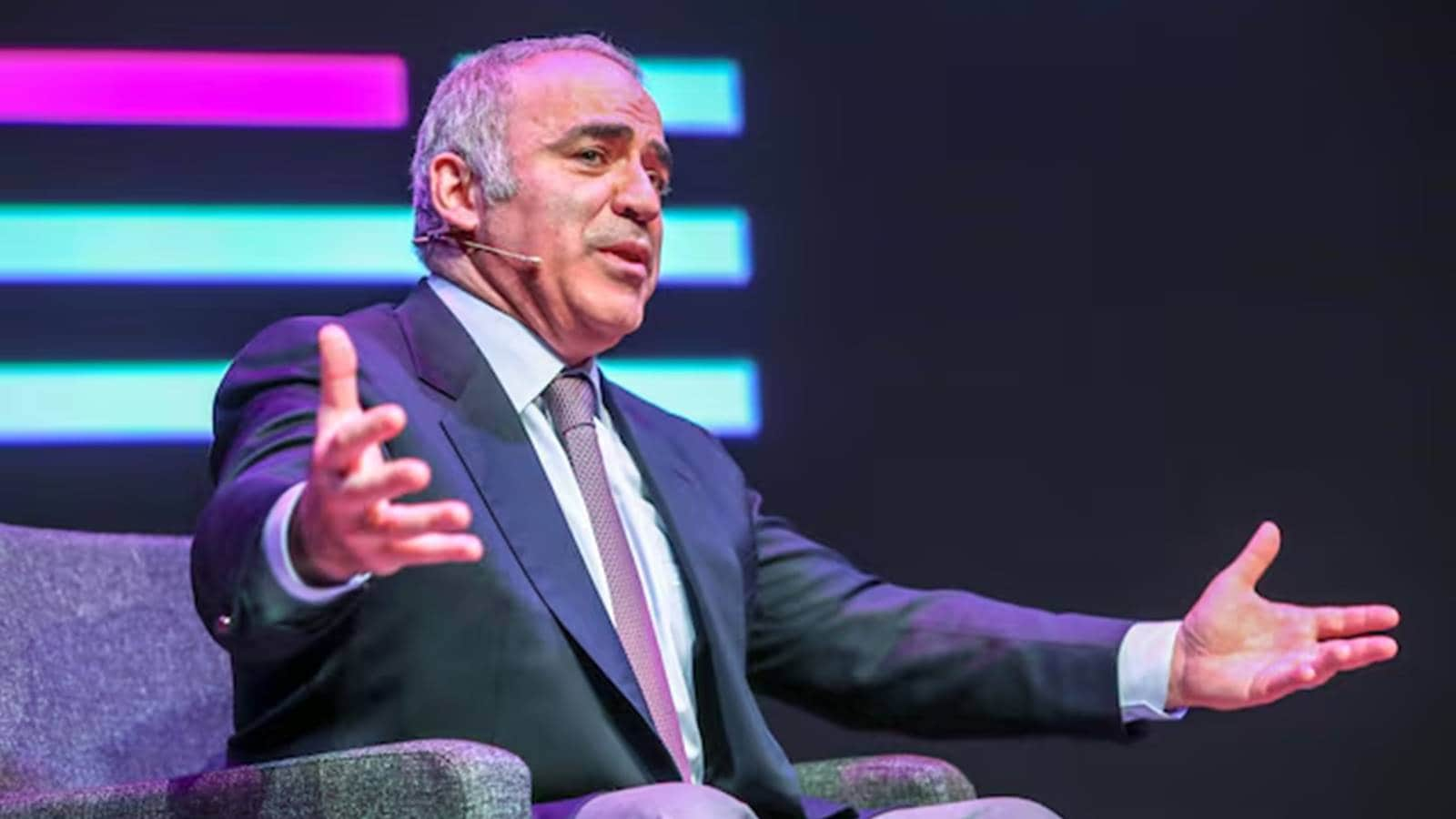
Exiled Russian dissidents just got a terrifying reality check. When US and Lithuanian security agencies pull you aside to say your life is actively in danger, you listen. That is exactly what happened to former world chess champion and prominent Kremlin critic Garry Kasparov. Intelligence officials informed him and his close associate Ivan Tyutrin that they topped a target list compiled by Moscow.
If you thought prominent critics of authoritarian regimes were safe once they crossed Western borders, think again. This shocking development shatters long-held assumptions about security on Western soil and exposes how far foreign intelligence networks are willing to go to silence opposition figures.
The Reality of Transnational Threats
For over a decade, Garry Kasparov has lived outside Russia, using his global platform to denounce Vladimir Putin's government. He has never minced words. Yet, the recent warnings from the FBI and Lithuanian state security mark a grim escalation. Reports indicate that a Russian intelligence-linked network plotted targeted killings within the United States, treating American territory as a viable operational zone.
Think about what that means. For generations, exiles viewed Western nations as safe havens. Turkey, parts of the European Union, and neighboring post-Soviet states always carried higher operational risks for dissidents. The United States, however, was supposed to be off-limits. By attempting to expand assassination plots across the Atlantic, the Kremlin is tearing up that old playbook.
Kasparov put it bluntly when discussing the threats. He noted that Moscow is systematically dismantling the post-World War II framework that kept political exiles relatively secure on foreign ground. When federal indictments drop regarding murder-for-hire plots on US soil involving intelligence officers, the gloves are completely off.
How Dissidents Adapt When Intelligence Agencies Call
Getting tipped off by the FBI or European intelligence changes your daily routine overnight. Ivan Tyutrin, Kasparov's Vilnius-based ally, received stark instructions from local authorities. He was told to leave his home urgently and ditch his car. During trips to the US, Kasparov found himself tailed by federal protection details for weeks to prevent any catastrophic security breaches.
Most people cannot fathom living under constant threat management. You check your surroundings, alter your transit schedules, and rely on foreign security services just to walk down the street. Yet, Kasparov made it clear that backing down is not an option. He stated publicly that he will neither stop nor hide, choosing instead to push forward with his political advocacy.
This kind of defiance comes with immense personal cost. When security details are eventually scaled back or withdrawn—as Tyutrin experienced after initial high-level protection phases—the psychological toll remains. You are left balancing the drive to speak out against a bloody dictatorship with the raw mechanics of staying alive.
The Broader Implications for Global Security
This isn't just about high-profile chess champions or former lawmakers. The exposure of these intelligence networks reveals a heavy reliance on recruited proxies, local criminals, and foreign nationals to carry out dirty work. By outsourcing operations to lower-level operatives, state intelligence services try to maintain plausible deniability while sowing chaos across Western capitals.
Governments across Europe and North America now face a massive policing challenge. Protecting every vocal dissident is impossible, and failing to deter these cross-border plots invites further aggression. Intelligence sharing between agencies in countries like Lithuania and the United States proved vital in disrupting these specific conspiracies before execution.
Ultimately, the message sent to the international community is unmistakable. Authoritarian regimes do not respect international borders when it comes to neutralizing their most effective critics. Protecting free speech and political dissent now requires active counter-intelligence measures on Western streets, transforming safe havens into active fronts in a quiet shadow war.