The Reality on the Ground in Fujairah
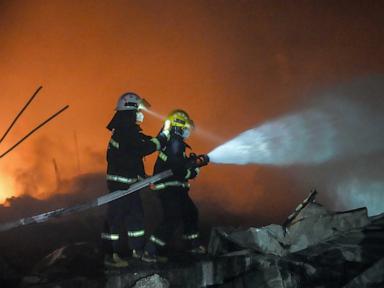
Tensions across the Gulf reached a boiling point on May 4, 2026. A suspected Iranian drone strike hit the Fujairah Petroleum Industries Zone in the United Arab Emirates. The attack shattered a four-week ceasefire between the United States and Iran. It left three Indian nationals injured. This incident wasn't an isolated event. It is part of a much larger, highly volatile confrontation over the Strait of Hormuz. The situation is moving fast. The UAE Ministry of Defense reported intercepting 12 ballistic missiles, 3 cruise missiles, and 4 UAVs launched from Iran on the exact same day.
The attack hit civilian infrastructure directly. Local authorities rushed emergency responders to contain the blaze caused by the drone strike. The three injured Indian workers were quickly taken to local hospitals for treatment. The Indian Embassy in the UAE stepped in immediately to ensure their medical care and welfare. Fujairah is an important strategic port on the Gulf of Oman, bypassing the Strait of Hormuz. Attacks on this zone show that no part of the UAE is immune to long-range strikes.
What does this mean for the large Indian diaspora in the region? And more importantly, how does this affect the fragile peace across West Asia? The geopolitical implications are severe.
The Human Cost and the Diplomatic Reaction
The Indian Ministry of External Affairs did not mince words. In a firm statement released on May 5, 2026, the ministry called the attack unacceptable. They demanded an immediate end to hostilities against civilian infrastructure and innocent people. India's stance has always been clear. New Delhi champions dialogue and diplomacy to restore stability in the Middle East. But diplomatic statements won't solve the issue if the violence escalates.
Let's look at the numbers. More than three million Indian expatriates live and work in the United Arab Emirates. They form the backbone of several sectors in the Gulf. Any attack on Emirati soil directly threatens the lives and livelihoods of these families. It causes anxiety among communities in Tamil Nadu and across India.
The Indian government also reiterated its call for free and unhindered navigation through the Strait of Hormuz. This maritime choke point is vital for global energy supplies. Disruption there hits Indian households through rising fuel and food prices. India stands ready to support all efforts for a peaceful resolution of issues.
A Fragile Peace Shaken
The four-week ceasefire was supposed to offer breathing room. Now, it looks like a temporary pause in a much longer conflict. The current tensions stem from multiple disputes over Iran's nuclear program, oil transit rights, and regional influence. Negotiations between the United States and Iran remain stalled due to disagreements over uranium enrichment and economic sanctions.
The United States recently launched an initiative called Project Freedom. The goal is to secure commercial shipping lanes in the Arabian Gulf. Iranian officials immediately condemned the move. They viewed it as military adventurism. Tehran claims it had no pre-planned agenda to target the UAE or its oil facilities. Instead, Iranian state media blamed United States naval actions for the escalating hostilities. But the reality on the ground tells a different story.
Drones and missiles hit civilian zones. The UAE defense systems intercepted a total of 15 missiles and four drones during the attack. One drone slipped through the defense net. It started a massive fire at the Fujairah oil terminal. The attack on the ADNOC National Carrier while transiting the Strait of Hormuz was also condemned by the UAE. They called it a flagrant violation of UN Security Council resolutions.
Broader Economic and Daily Life Impacts
The impact of this conflict goes far beyond oil terminals. The UAE education ministry ordered all schools to return to remote learning for the remainder of the week. Flights face schedule adjustments and possible cancellations.
Let's look at the financial markets. The price of gold edged up to $4,528 per ounce following the news. Investors are fleeing to safe-haven assets. The risk premium on oil is rising. Shipping companies are avoiding the Strait of Hormuz, and global energy supply chains are feeling the pressure.
South Korean authorities announced an investigation into an explosion on a ship in the Strait of Hormuz. The United States President Donald Trump blamed Iran for the incident. This blame game between Washington and Tehran leaves the Gulf states caught in the middle.
The United Arab Emirates has spent years building a secure business environment. It wants to be a neutral commercial hub. Being pulled into a direct confrontation with Iran undoes years of diplomatic and economic progress.
The View from Tehran and Washington
The diplomatic rift is massive. Washington demands a halt to uranium enrichment. Iran demands relief from crushing economic sanctions. This deadlock has lasted for years. Mistrust only grows deeper with every skirmish.
The United States maintains a heavy naval presence in the region. Guided-missile destroyers continue to patrol the waters. However, deterrence has not stopped Iran from using asymmetric warfare tactics. Iranian military officials warned that getting involved in the conflict would drag the UAE into a quagmire. Meanwhile, the United Kingdom, France, Germany, and Saudi Arabia have called for an immediate de-escalation. They urge Tehran to return to the negotiating table.
But negotiations have failed in the past. Both sides believe they can achieve their objectives through displays of military strength. Innocent civilians, including workers from South Asia, bear the brunt of these political games.
What Needs to Happen Next
The current situation requires more than just condemnation. The safety of millions of expatriates must be the top priority. The international community must pressure both sides to respect international maritime law.
Here are the practical steps needed to de-escalate the situation:
- Establish a direct hotline between regional powers to prevent accidental escalations.
- Guarantee the safety of commercial vessels passing through the Strait of Hormuz.
- Lift restrictions on civilian infrastructure and stop drone strikes.
- Return to the negotiating table without preconditions.
The fragile peace in West Asia is on life support. If the current trajectory continues, we are looking at a wider regional war. Nobody wins in that scenario. The time for empty rhetoric is over.