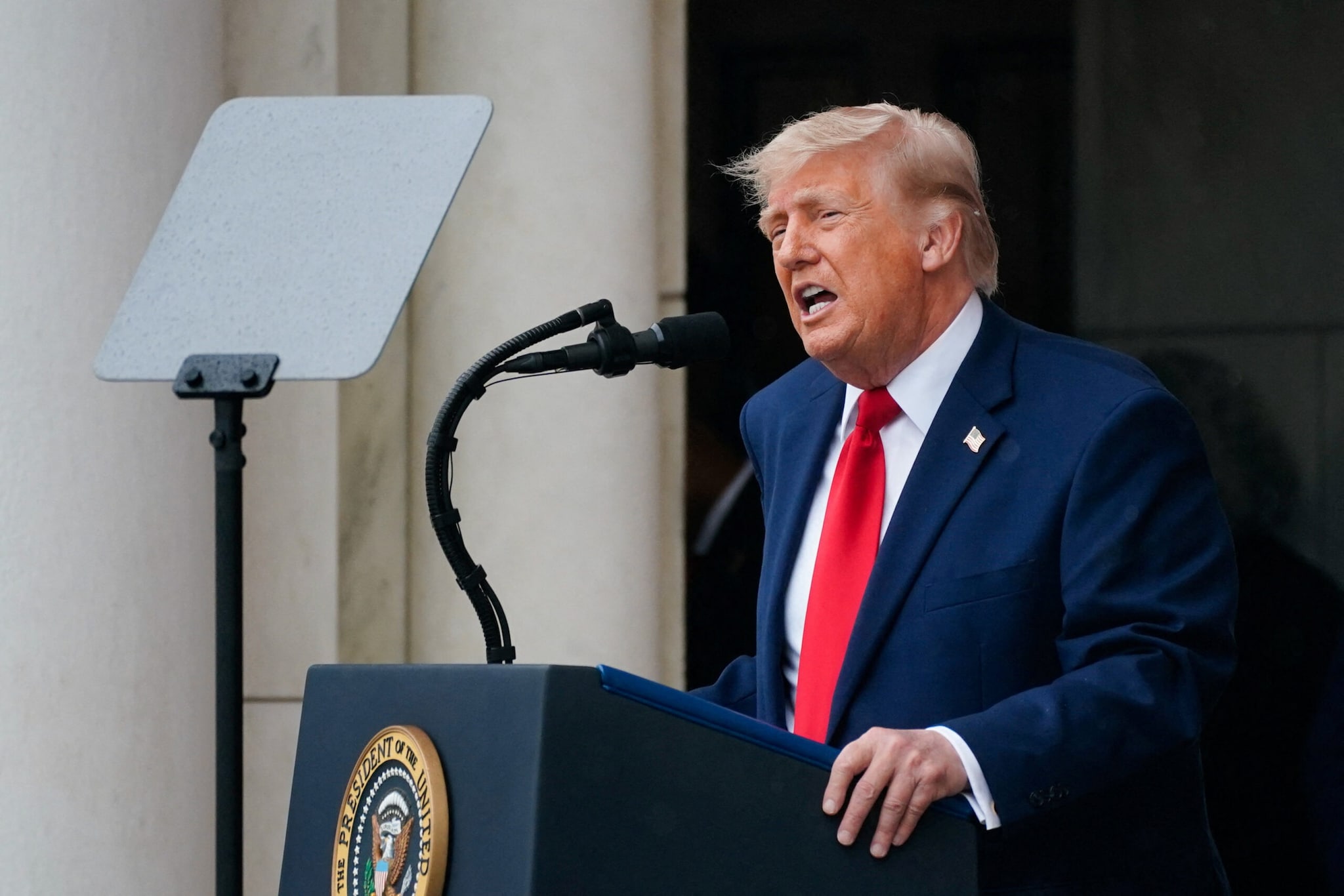
The convergence of bilateral security alliances and divergent macroeconomic priorities creates a structurally volatile geopolitical environment. This vulnerability was highlighted by the June 2026 confirmation of an expletive-laden telephone exchange between United States President Donald Trump and Israeli Prime Minister Benjamin Netanyahu. While superficial press analysis centers on the sensationalism of the rhetoric, the underlying reality reflects a profound misalignment of core state interests.
The immediate catalyst for the friction is an operational mismatch. The White House is pursuing a comprehensive diplomatic resolution with Iran to reopen global trade arteries and stabilize energy markets. Concurrently, Jerusalem is executing a localized, high-intensity military campaign against Hezbollah in Lebanon. The friction is a rational consequence of two states executing incompatible strategic formulas simultaneously.
The Macroeconomic Cost Function of Regional Escalation
The friction between Washington and Jerusalem can be quantified through the economic variables driving current American foreign policy. The United States executive branch operates under acute domestic constraints, specifically an upcoming midterm election cycle highly sensitive to inflationary pressures.
[Global Commerce Demand] ──> [Strait of Hormuz Blockage] ──> [Supply Chain Contraction] ──> [Macroeconomic Cost Incurred]
The ongoing war with Iran has fundamentally altered global supply chains through a multi-month blockade of the Strait of Hormuz. This blockade serves as an economic bottleneck, suppressing maritime transit capacity and driving energy prices upward. The American macroeconomic cost function incorporates three primary variables:
- The Energy Premium: Sustained blockage of the Strait of Hormuz disrupts the flow of crude oil and liquefied natural gas, inducing a global supply shock that manifests as higher retail fuel prices in domestic markets.
- The Insurance Multiplier: Maritime freight rates through contested corridors carry hyper-inflated war-risk premiums, increasing the baseline cost of consumer goods.
- Political Capital Depletion: Higher energy costs correlate inversely with incumbent party polling metrics, creating a hard deadline for the administration to achieve a regional settlement.
President Trump’s target timeline for a resolution is bound by the upcoming Labor Day holiday on September 7. Prolonging the conflict past this inflection point risks locking in high inflation through the peak of the election cycle. Consequently, the administration's primary objective is to finalize a diplomatic breakthrough with Tehran.
The Incompatible Strategic Formulas
The structural gridlock occurs because the steps required to stabilize the American macroeconomic function directly impede Israel’s security doctrine. This creates a two-front strategic divergence.
The Iranian Peace Track
Washington’s negotiation framework relies heavily on diplomatic signals directed toward Iran’s Supreme Leader, Mojtaba Khamenei. Following the death of his predecessor in a joint U.S.-Israeli airstrike in late March, Khamenei’s new leadership apparatus remains highly fragile, further complicated by injuries he sustained in a subsequent strike. To extract structural concessions—specifically a verifiable halt to nuclear enrichment and the immediate unblocking of the Strait of Hormuz—the United States must offer a predictable de-escalation pathway.
The Israeli Security Margin
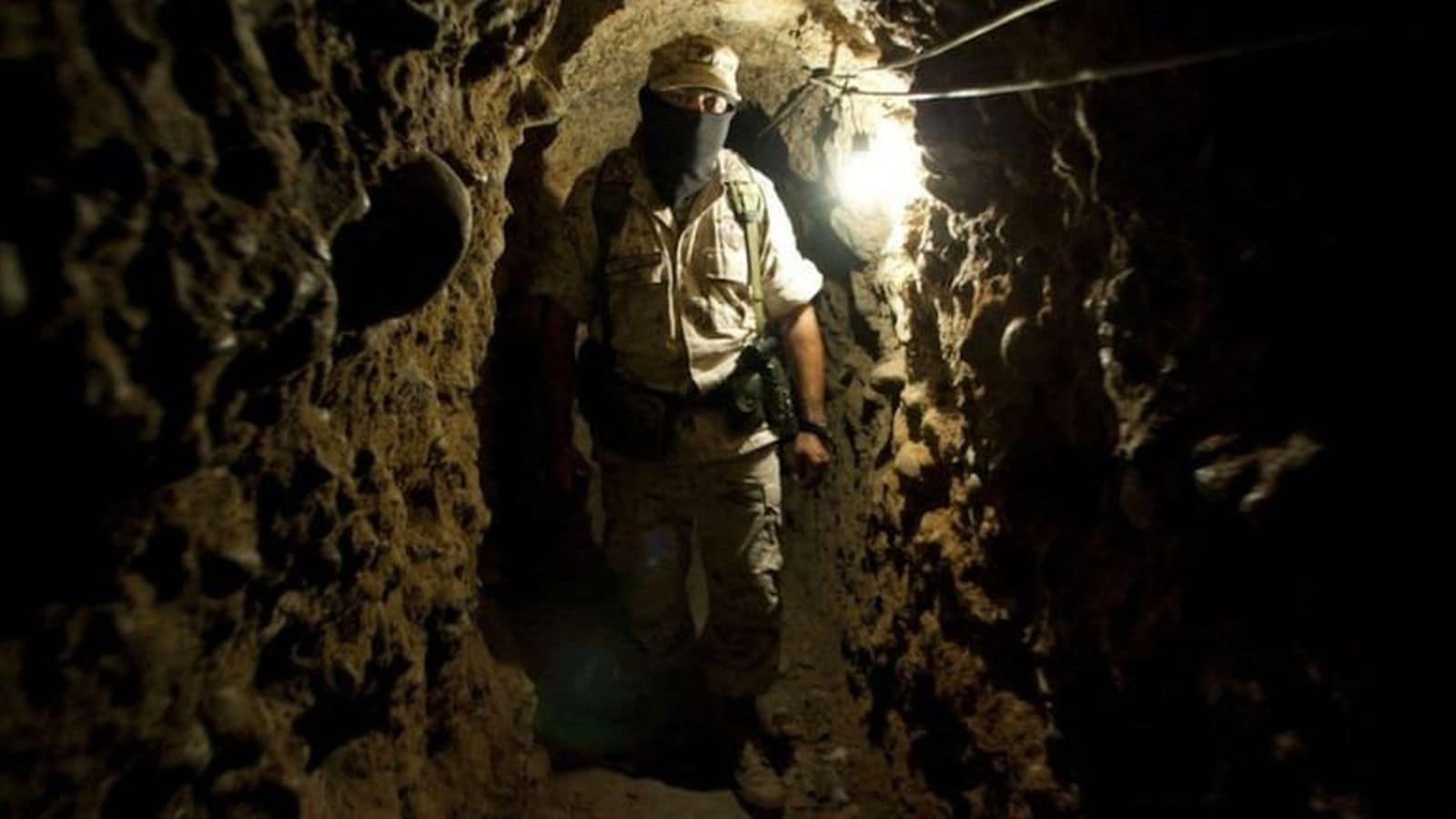
Israel operates on an entirely distinct threat-mitigation calculus. Jerusalem perceives the post-April 17 nominal ceasefire with Hezbollah as a tactical failure, citing continuous cross-border rocket and drone intelligence that has resulted in the deaths of 14 Israeli Defense Forces soldiers since its implementation. Prime Minister Netanyahu's administration views the immediate, total disarmament of Hezbollah and a full demilitarization of southern Lebanon as non-negotiable precursors to any troop withdrawal.
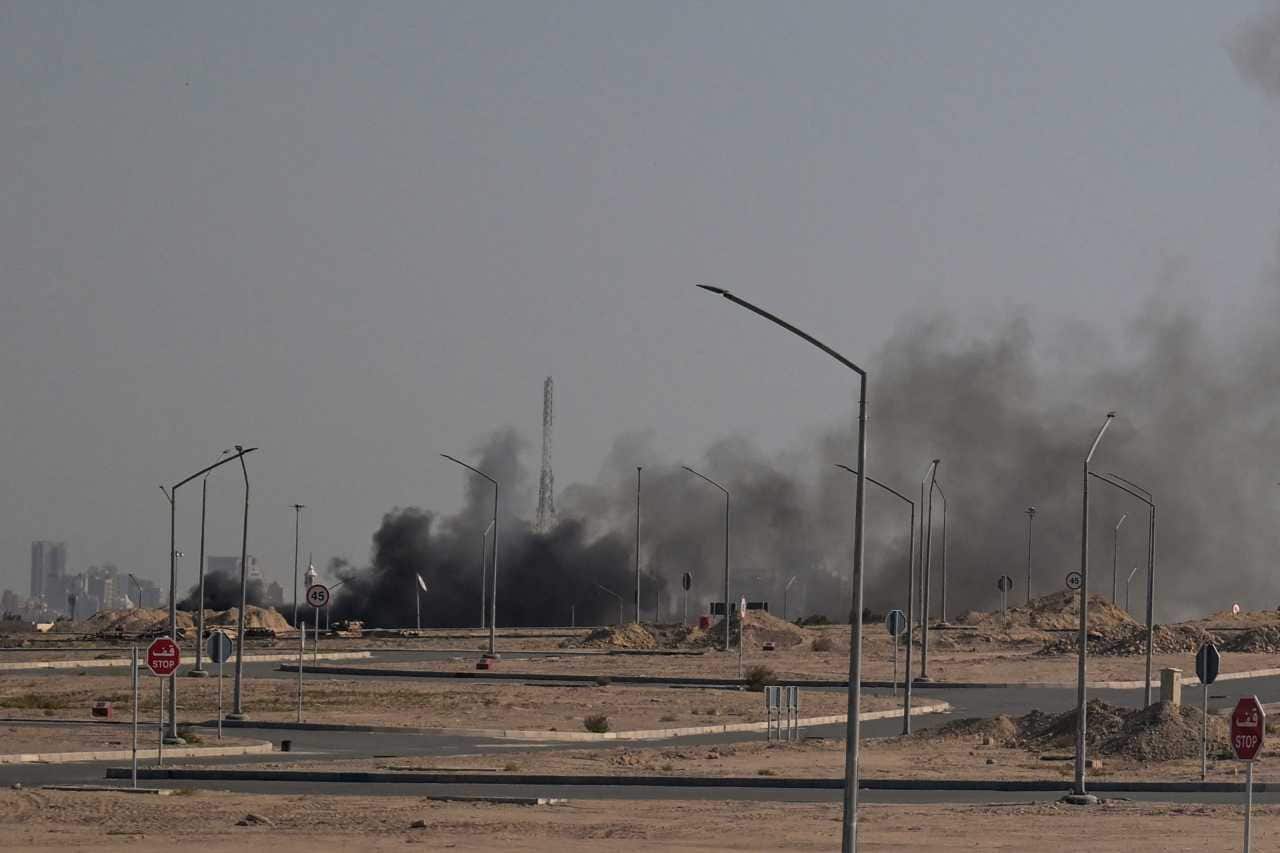
The operational breakdown occurred when Israel prepared a massive aerial campaign targeting dense Hezbollah command nodes in Beirut. From Washington’s perspective, an immediate bombardment of Beirut destroys the diplomatic runway needed to secure the Iranian nuclear deal, as Tehran conditions its cooperation on a comprehensive Lebanese truce. This is the exact mechanism that triggered the executive confrontation: an American requirement for regional stability to solve an inflation crisis versus an Israeli requirement for military asymmetry to resolve a border threat.
Interdependent War Management Architecture
Despite the intensity of the operational dispute, characterizing the relationship as broken misinterprets the structural interdependence of the U.S.-Israel alliance. President Trump’s self-designation as a "wartime president" alongside a "wartime prime minister" outlines a shared structural reality that limits the long-term impact of tactical disagreements.
| Metric / Dimension | United States Strategic Posture | Israeli Strategic Posture |
|---|---|---|
| Primary Objective | Secure global energy lanes; finalize Iranian nuclear freeze. | Eradicate border threats; permanently disarm Hezbollah. |
| Operational Threshold | Low tolerance for secondary escalations (e.g., Beirut strikes). | High tolerance for localized escalation to secure long-term deterrence. |
| Systemic Dependency | Requires localized restraint to preserve macro-diplomacy. | Requires American diplomatic insulation and logistical resupply. |
The institutional safeguards preventing a permanent rupture are rooted in mutual leverage. Israel remains fundamentally dependent on the United States for international diplomatic shielding and strategic resupply. This dynamic was explicitly referenced during the dispute via Washington's ongoing efforts to insulate Netanyahu from domestic legal vulnerabilities and international isolation.
Conversely, the United States cannot easily abandon its primary regional partner without completely collapsing its deterrence architecture against Iran. Because both executives view themselves through the lens of wartime crisis management, they treat high-stakes diplomatic friction as a standard operating variable rather than a systemic failure.
The Strategic Path Forward
The resolution of this friction will not come from interpersonal reconciliation, but through a sequence of calculated tactical adjustments. Israel’s decision to alter its immediate target matrix away from the center of Beirut demonstrates that the structural leverage applied by Washington is functioning, even if the compliance is grudging.
To achieve an equilibrium that satisfies both cost functions, the bilateral strategy must shift toward a sequenced implementation model. Israel must grant the United States the necessary diplomatic window to test the validity of the Khamenei-approved peace track prior to late August. In exchange, Washington must formally integrate Israel’s northern security requirements into the final text of the Iranian accord, explicitly stipulating the enforcement mechanisms for a demilitarized zone in southern Lebanon. Failure to sequence these actions precisely will cause the regional architecture to fragment, triggering an uncontrolled escalation that neither wartime executive can easily absorb.