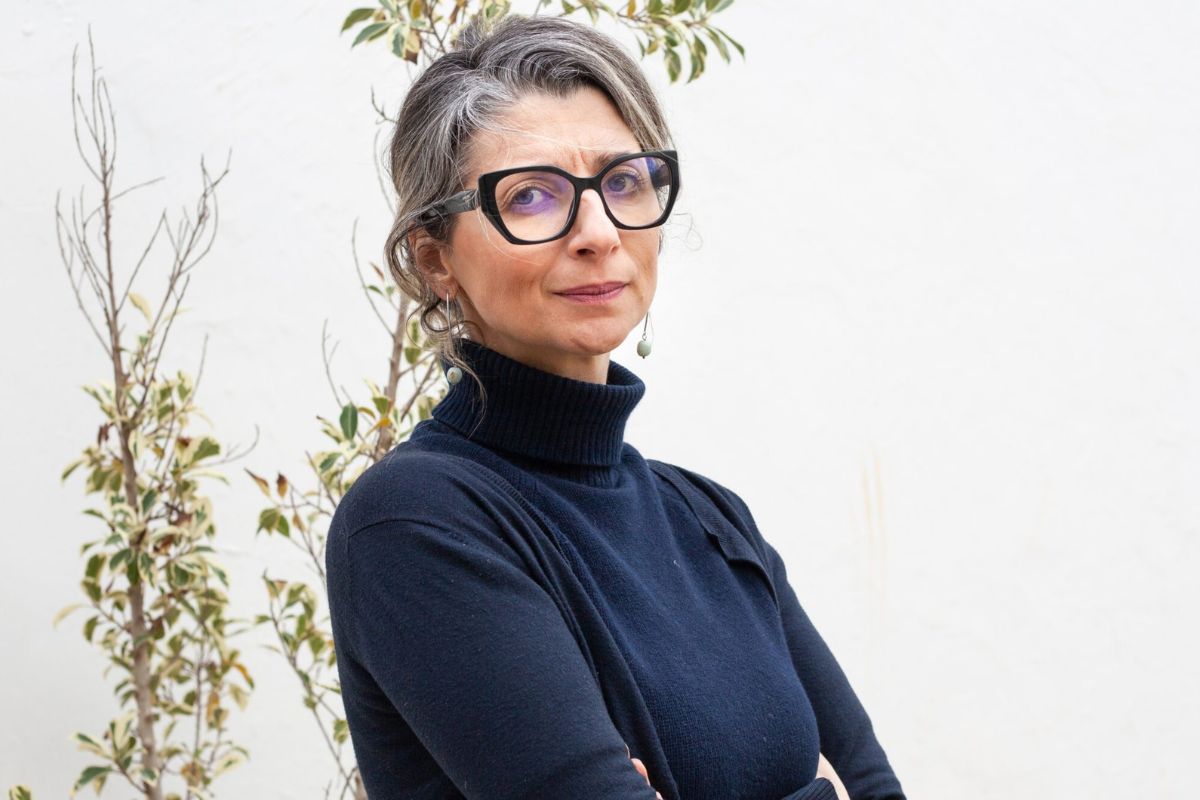
You don't often see a UN official get drowned out by a crowd in the heart of Europe, but Francesca Albanese isn't your typical diplomat. When the UN Special Rapporteur on the Occupied Palestinian Territories arrived in Germany this March, she didn't find a quiet lecture hall. Instead, she ran straight into a wall of pro-Israeli protesters who made one thing very clear: they don't buy her "expert" label.
The confrontation in Germany is just the latest explosion in a long-simmering feud between Albanese and Western governments. For months, Germany, France, and the US have been losing patience with her rhetoric. This trip was supposed to be about her latest report, but it turned into a referendum on her own credibility.
The German standoff
Germany takes its relationship with Israel seriously for obvious historical reasons. So, when Albanese showed up to present her findings on "torture and genocide," the atmosphere was already electric. Protesters outside her venue weren't just holding signs; they were chanting for her resignation.
The core of the anger stems from what critics call a massive blind spot. While Albanese’s reports are filled with detailed allegations against Israel, her detractors point out a glaring silence regarding Hamas. In Berlin, the protesters echoed a sentiment recently voiced by Hillel Neuer of UN Watch: Why is there not one single mention of the torture of Israeli hostages in her latest report?
Germany’s federal government has already put itself on record. Earlier this year, German ministers joined France and Italy in condemning Albanese’s comments. They didn't just disagree with her; they accused her of antisemitism and "Holocaust inversion." When you’re a UN official and the host country’s leadership thinks you’re biased against the very existence of a state, your "diplomatic" visit is going to be a train wreck.
What her report actually says
Albanese’s March 2026 report, titled "Torture and Genocide," is as provocative as its name suggests. She isn't just talking about individual acts of violence. She’s arguing that Israel has created a "torturous environment" across the entire Palestinian territory.
According to her findings, the hardships of the conflict—displacement, lack of medical care, and constant fear—should be legally classified as collective torture. It's a radical expansion of international law. Usually, torture requires a specific intent to cause pain to an individual in custody. Albanese is trying to broaden that definition to cover the general "conditions of life" in a war zone.
Critics say this is a legal reach that makes the word "torture" meaningless. If every hardship in a war is torture, then the specific crime of torture loses its weight. More importantly, her report mentions Israel 173 times. Hamas? Zero. That’s the kind of math that gets you protested in Berlin.
Why the backlash is different this time
In the past, UN rapporteurs could usually hide behind the shield of "neutrality." That shield is gone for Albanese. The German protest wasn't just a fringe group; it represented a growing consensus among European democracies that she has crossed the line from legal expert to political activist.
Consider these facts:
- The French Prime Minister has called for her to step down.
- The UK has requested an official investigation into her conduct.
- Germany has officially censured her for her remarks regarding the October 7 attacks.
Albanese argues that she’s being silenced for speaking "truth to power." She claims the attacks against her are a coordinated "smokescreen" to deflect from her findings. Honestly, it’s a classic stalemate. You have a UN expert who believes she’s the only one following the law, and a group of world powers who believe she’s using the UN flag to carry out a personal crusade.
The "Mandate" excuse
One of the most heated moments of the recent weeks happened at the Human Rights Council, but it set the stage for the German protests. When asked why she ignores Hamas’s atrocities, Albanese’s go-to answer is: "It's not in my mandate."
But people aren't buying it anymore. Critics point out that she signed a statement condemning strikes in Iran on March 4. Iran isn't in her mandate either. This perceived double standard is exactly why the protesters in Germany were so loud. They see a UN official who is very selective about which human rights she chooses to defend.
What happens next
If you're waiting for Albanese to apologize or the protesters to go home, don't hold your breath. She shows no signs of toning down her language, and the German government isn't about to start rolling out the red carpet for her.
The real takeaway here isn't just about one protest in Germany. It’s about the total breakdown of trust between the UN’s human rights mechanisms and the Western states that fund them. When a UN expert can't walk down a street in Berlin without a police escort and a chorus of "shame on you," the system is broken.
If you want to understand the conflict, you have to look past the slogans. Check the actual UN mandates and compare them to the reports being issued. Read the transcripts of the Human Rights Council sessions. The noise in Germany was a symptom of a much deeper crisis in how international law is being applied—or misapplied—on the world stage.