The weight of nearly half a century isn't just a number in a history book. It is the sound of metal gates locking in Tehran in 1979. It is the static on a black-and-white television screen. For Donald Trump, that weight is a ledger that hasn't been balanced, a bill that remains unpaid. When he looks at the latest diplomatic overtures from Iran, he doesn't see a fresh start. He sees a long line of broken promises stretching back to a time when many of today's voters weren't even born.
Numbers have a funny way of stripping the soul out of tragedy. People talk about "forty-seven years" as if it were a simple duration, but for the families of those who never came home, or the soldiers who watched the horizon in the desert heat, it is a lifetime of scars. This isn't just about geopolitics. It is about a fundamental human disagreement over what it costs to make things right.
The Ledger of Blood and Ink
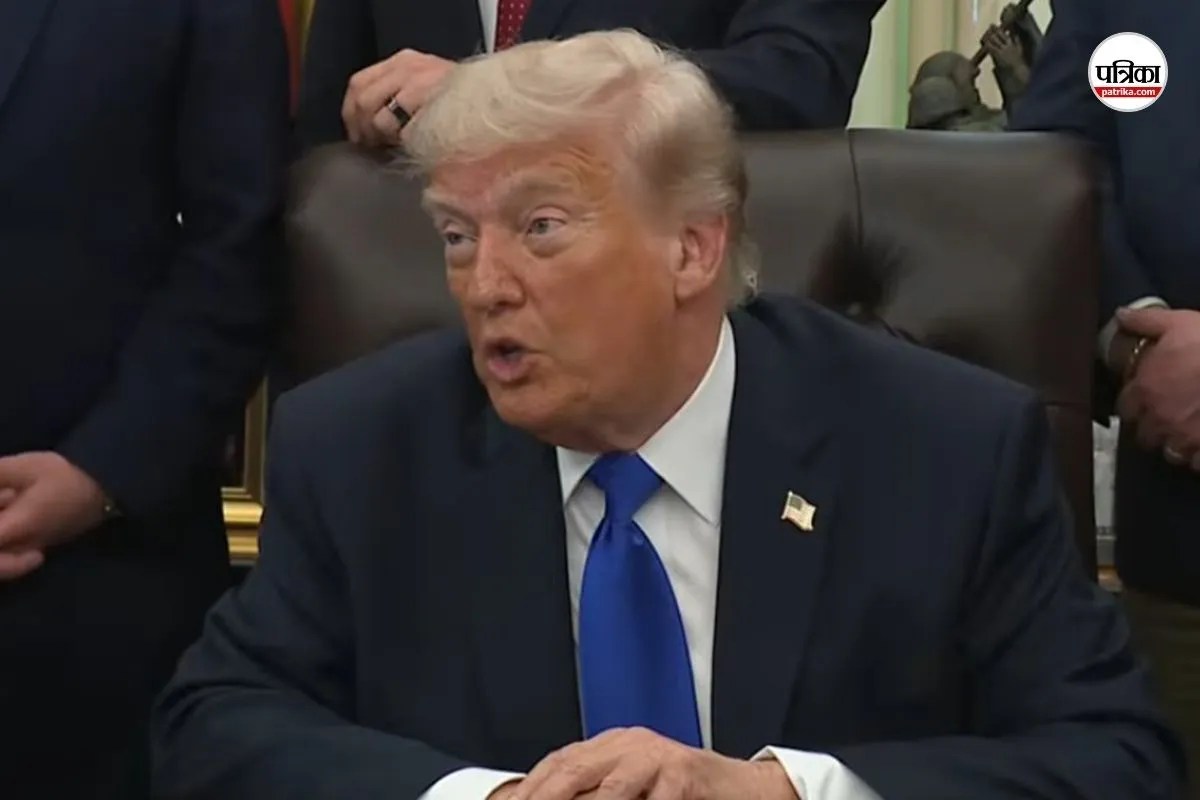
The recent proposal from Iran arrived at a moment of extreme tension. To the diplomat, it might look like a lifeline. To the strategist, it looks like a maneuver. But to the man who built a career on the "Art of the Deal," it looked like a low-ball offer on a property that has been burning for decades. Trump's refusal wasn't just a "no." It was a reminder.
He isn't interested in a temporary truce that ignores the ghosts in the room. His rhetoric suggests that you cannot build a skyscraper on a foundation of resentment. If the foundation is cracked—and forty-seven years of hostility is a very deep crack—the whole structure will eventually come down. He is betting that the American public is tired of "band-aid" solutions.
Consider the perspective of a hypothetical small-town veteran. Let's call him Elias. Elias doesn't care about the intricacies of the JCPOA or the nuances of the Hague. He remembers his friends. He remembers the rhetoric of the eighties. When he hears a politician say that the "price has not yet been paid," he feels a cold sense of validation. It is the idea that history matters, that you can't just flip a page and pretend the previous chapters were written in invisible ink.
The Language of the Unforgiven
Diplomacy is often the art of forgetting. It requires leaders to sit across from people they find abhorrent and shake hands for the sake of a better tomorrow. But there is a different kind of leadership that thrives on memory. Trump’s brand of foreign policy is rooted in the belief that the past is a debt. And debts, in his world, collect interest.
The Iranian proposal likely focused on the future: sanctions relief, trade, a cooling of the regional temperature. These are logical, pragmatic goals. However, Trump is playing a different game. He is speaking to the emotional core of a base that feels the world has taken advantage of American patience. By invoking the "47 years of actions," he is anchoring the conversation in a place where logic struggles to breathe.
How do you put a price on a revolution? How do you calculate the cost of decades of proxy wars, of inflammatory speeches, and of a region kept on a permanent knife-edge? You don't. You simply say it isn't enough.
The Invisible Stakes of a Hard Line
There is a danger in this kind of memory. When you refuse to move past the past, you risk becoming a prisoner to it. The streets of Tehran are filled with people who were born decades after the embassy was stormed. They are young. They want high-speed internet, global brands, and a life that isn't defined by the grievances of their grandfathers.
When the door is slammed shut, those people are the ones who feel the vibration. The stakes aren't just the price of oil or the security of a border. The stakes are the internal lives of millions of people who are caught between a government that won't bend and an American leader who refuses to forget.
Imagine a student in Tehran, perhaps a girl named Sara, who dreams of studying in the West. To her, "forty-seven years" is an ancient myth, a story told by tired men in gray suits. But that myth is the wall that stands between her and her future. Every time a deal is rejected, the wall gets a little higher. The "cost" Trump talks about is being paid by people like Sara, even if they aren't the ones he is targeting.
A Game of High Stakes Poker
If you've ever watched a high-stakes poker game, you know the moment when the betting stops being about the cards and starts being about the person holding them. Trump is betting that Iran will eventually break. He is betting that the pressure of the unpaid debt will become so heavy that the regime will have no choice but to offer everything.
It is a gamble.
If he’s right, he secures a "Grand Bargain" that dwarfs anything his predecessors achieved. He becomes the man who finally settled the score. If he’s wrong, the cycle of "47 years" simply turns into 50, then 60, then a century of inherited hatred.
The tension lies in the silence between the words. Iran says they want to talk. Trump says the bill is due. The world watches, waiting to see if anyone is willing to actually open the checkbook.
The Ghost in the Machine of Statecraft
We often think of nations as massive, impersonal machines. We use words like "state actors" and "regimes" to distance ourselves from the reality that these decisions are made by people with egos, memories, and flaws.
Trump’s insistence on "repayment" is deeply human. It is the impulse of the wronged party demanding an apology that is loud enough to drown out the echoes of the past. It is the refusal to be the one who "gave in."
But the problem with demanding a price for history is that history is a bottomless pit. You can keep throwing payments into it and it will never feel full. There will always be another grievance, another anniversary, another reason to say "not yet."
The Sound of the Door Closing
There is a specific kind of quiet that follows a rejected offer. It’s the sound of a missed opportunity, or perhaps the sound of a bullet being dodged, depending on who you ask. For now, the air remains thick with the smell of old smoke and the cold reality of a stalemate.
The "47 years" aren't going anywhere. They are baked into the soil. They are the background noise of every meeting and every midnight tweet. Trump has made his move by refusing to move at all. He has stood his ground on a mountain of history, looking down at a proposal and seeing only a shadow of what he believes is owed.
The bill remains on the table. The ink is dry. The world waits to see if the next person to pick it up will try to pay it, or if they will simply tear it up and start over. But starting over requires a kind of courage that doesn't often exist in the corridors of power. It requires the ability to look at forty-seven years of pain and say, "Enough."
Until then, we are all just spectators in a theatre of memory, watching two giants argue over the price of a bridge that hasn't even been built yet. The cost is high. The currency is human. And the clock is still ticking, adding every second to the debt.
The sun sets over the Potomac and the Alborz mountains alike, indifferent to the ledgers of men.