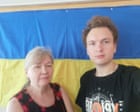
When Nikita Belov quit his engineering job at a Moscow research institute, he knew he was stepping into dangerous territory. He had discovered his metallurgical work directly served the Russian war machine. Refusing to participate in Putin's invasion meant facing immediate threats, military summons, and police visits to his family home.
Alongside his mother Olga, a 55-year-old nurse anesthetist, Nikita fled Russia for Finland in 2022. They expected safety. Instead, they found themselves trapped in a bureaucratic loop that could soon send them straight back to a country where they face imprisonment, torture, and treason charges for their open pro-Ukraine activism.
The Finnish Immigration Service maintains that the mother and son face "no real risk" upon return, a stance that legal experts and human rights advocates call dangerously detached from reality.
The Reality of Pro-Ukraine Activism Abroad
Fleeing across the border didn't mean staying quiet. Once settled in Finland, the Belovs dove headfirst into volunteer work. They connected with local Ukrainian centers, coordinating humanitarian aid like first-aid kits, thermal clothing, food, Starlink terminals, and 3D-printed components for trench candles. They even received video messages of gratitude from Ukrainian soldiers on the front lines.
To Moscow, this public defiance is unforgivable. Russian legislation criminalizes any form of material or vocal support for Ukraine's armed forces, often weaponizing draconian treason laws against dissenters. Yet, Finnish authorities have repeatedly rejected their asylum applications.
Official data highlights a broader trend. Between February 2022 and June 2026, Finland deported 1,039 Russian citizens, marking the highest number of removals for any nationality. During that same timeframe, over 1,100 Russian asylum applicants were refused entry or protection.
Bureaucratic Blind Spots and Legal Battles
Why are vocal critics of the Kremlin being shown the door? Immigration officials insist every case undergoes rigorous individual review. They claim that opposing the war can constitute grounds for international protection, but applicants must prove a personalized, immediate threat.
For the Belovs, that proof includes police harassment, military drafts, and Nikita's past access to confidential state data during his engineering career. Despite these clear red flags, the system stalled. In April, authorities detained the mother and son in a holding facility ahead of an imminent deportation flight. Only a last-minute court intervention secured their temporary release, sending them home to await a final, nerve-wracking verdict.
Legal counsel representing the family notes that deporting individuals with high-profile anti-war records sets a chilling precedent. It sends a clear message to other Russian dissidents who thought neighboring European Union nations would offer a safe harbor.
What Happens When Borders Close Completely
Finland's posture toward Russia shifted dramatically following the full-scale invasion. Citing security concerns and accusations that Moscow weaponized migrant crossings in hybrid operations, Helsinki indefinitely sealed its entire eastern land border with Russia.
This hardline security shift has hardened asylum criteria. While border security is understandable, applying a blanket skepticism to Russian dissidents creates a blind spot for those actively undermining the Kremlin. When a state starts viewing every passport holder from an aggressor nation through a single lens, genuine allies of democracy slip through the cracks.
The Belovs aren't asking for luxury. They are asking for survival. As they wait for the courts to decide whether they stay or catch a flight back to Moscow, their case remains a test case for European asylum policy. Turning away people who actively help Ukrainian soldiers defend their homeland doesn't protect Europe. It abandons the very people willing to risk everything to fight the Kremlin from the outside.


/getty-brown-bear-56afcf215f9b58b7d01d5195.jpg)