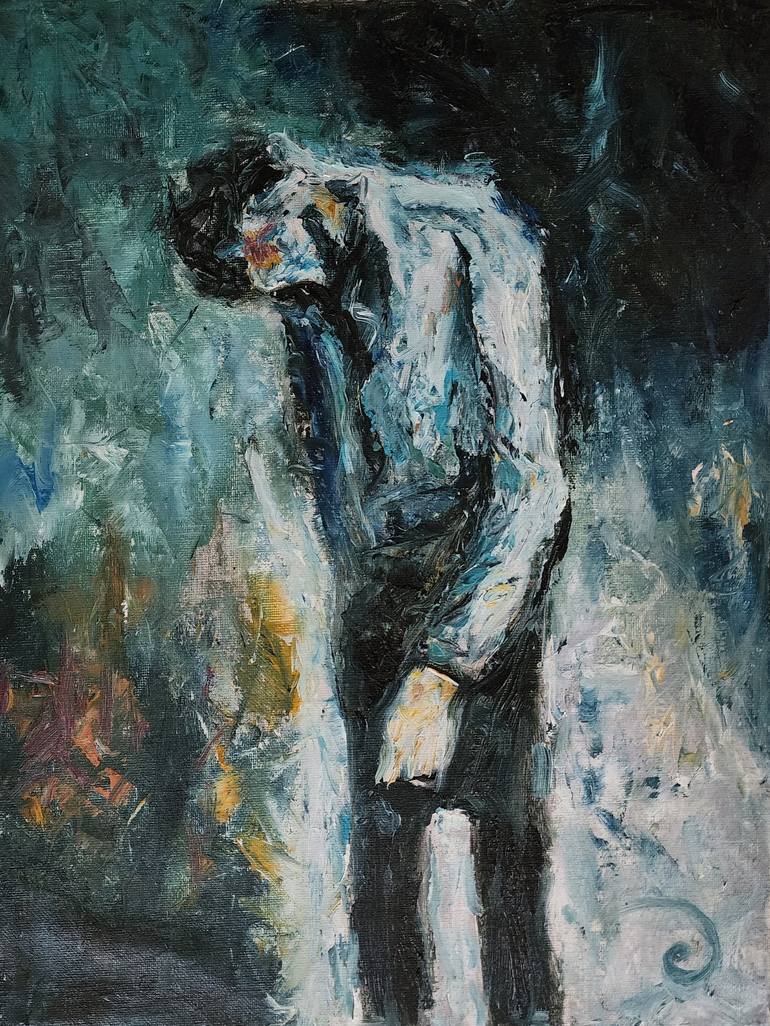
The passport used to smell like adventure. Ink and glue, a quiet testament to departure. Now, held up to the fluorescent glare of a Beijing customs desk, it smells only of calculation.
Consider a man we will call Lao Zhang. (This is a hypothetical scenario grounded in the lived reality of millions navigating contemporary bureaucratic friction). Zhang is fifty-four, his shoulders carrying the permanent curve of a man who spent three decades assembling precision machinery. His daughter lives in Toronto, sketching architectural blueprints in a glass tower she bought with loans and late-night shifts. She had a child last winter. Zhang has seen his grandchild twice, both times through the blue-tinted distortion of a smartphone screen, his thumb wiping away smudged fingerprints from the glass. Recently making waves lately: The Structural Mechanics of Hostage Diplomacy A Case Study in Statecraft.
When Zhang sat at his kitchen table last month to fill out the exit application, the cursor blinked at him like a cold eye.
The rules had shifted again. They always shift. More details regarding the matter are covered by Reuters.
To understand Beijing’s tightening grip on exit-and-entry protocols, you must first abandon the notion that borders are simply lines drawn on maps. They are valves. Sometimes they open wide, welcoming the rush of commerce and curiosity. Other times, under the heavy pressure of economic anxiety and domestic stabilization, they turn inward. They restrict. They listen for the click of a locking latch.
In recent directives, immigration and security authorities have refined the machinery of departure. Passports are no longer just travel documents; they are tightly monitored data nodes. Renewal processes that once took days now stretch across weeks of vetting. Background checks reach deeper into personal employment histories, financial solvency, and family ties. If an applicant cannot convincingly demonstrate a valid, non-permanent reason for leaving—tourism with a rigid itinerary, verifiable business contracts, accredited study—the application stalls. Sometimes it stops entirely.
Why?
The answers given in official briefs speak of national security, social stability, and the prevention of illegal emigration or capital flight. But statistics tell a more visceral human story. When the domestic labor market cools and currency outflows threaten national reserves, the state pulls on the reins. It is an old reflex dressed in modern digital armor.
Zhang felt that armor tighten around his ribs. His initial application was flagged. Not because he had a criminal record—he had never so much as broken a traffic light—but because his category of travel fell into what bureaucrats call "non-essential movement."
He spent three days standing in municipal hallways that smelled of floor wax and anxious sweat. He carried a folder thick with documents: bank statements showing his meager pension, a letter of invitation from his daughter bearing her Canadian tax ID, medical clearance forms, return flight reservations bought and paid for in advance.
He was not trying to escape. He was only trying to hold a baby.
The officer behind the reinforced glass did not look up when Zhang slid the folder through the narrow slot. The officer’s fingers moved with the practiced, rhythmic indifference of a piano player who has forgotten the song. Flip. Scan. Check.
"Your justification for an extended stay is insufficient," the officer said finally, the voice flat, amplified by a small metal speaker that hissed with static.
"It is my daughter," Zhang wanted to say. He wanted to tell the man about the snow in Toronto, about the way infants smell like warm milk and laundry detergent, about the ticking clock of his own aging joints. He wanted to scream that a human life is not an economic indicator to be balanced on a spreadsheet.
He said nothing. Experience had taught him the cost of argument in rooms where the state held all the cards. He bowed his head slightly—a reflex of survival—and took his papers back.
This is the invisible architecture of tightened borders. It is built out of thousands of denied requests, canceled flights, and postponed reunions. It operates on the premise that collective safety requires individual containment.
Yet, the human impulse to cross boundaries refuses to die quietly. Where formal exit routes narrow, informal pressures mount. People find themselves second-guessing every career move, every savings transfer, every casual conversation that might leave a digital trace. The psychological weight of the border follows you long before you reach the airport. It sits in your living room. It dictates what you say to your friends abroad. It whispers that the world outside is becoming a luxury reserved for the few who clear an ever-rising bar of suspicion.
When Zhang walked out of the immigration office into the Beijing afternoon, the air tasted of coal dust and dry wind. He pulled his jacket tight against a sudden drop in temperature. He walked to the subway station, descended the concrete stairs, and merged into the dense, silent river of commuters pressing toward the trains.
Nobody looked at him. Nobody knew that his world had just shrunk by five thousand miles.
The turnstiles clicked ahead, letting people through one by one, measured, counted, and contained.