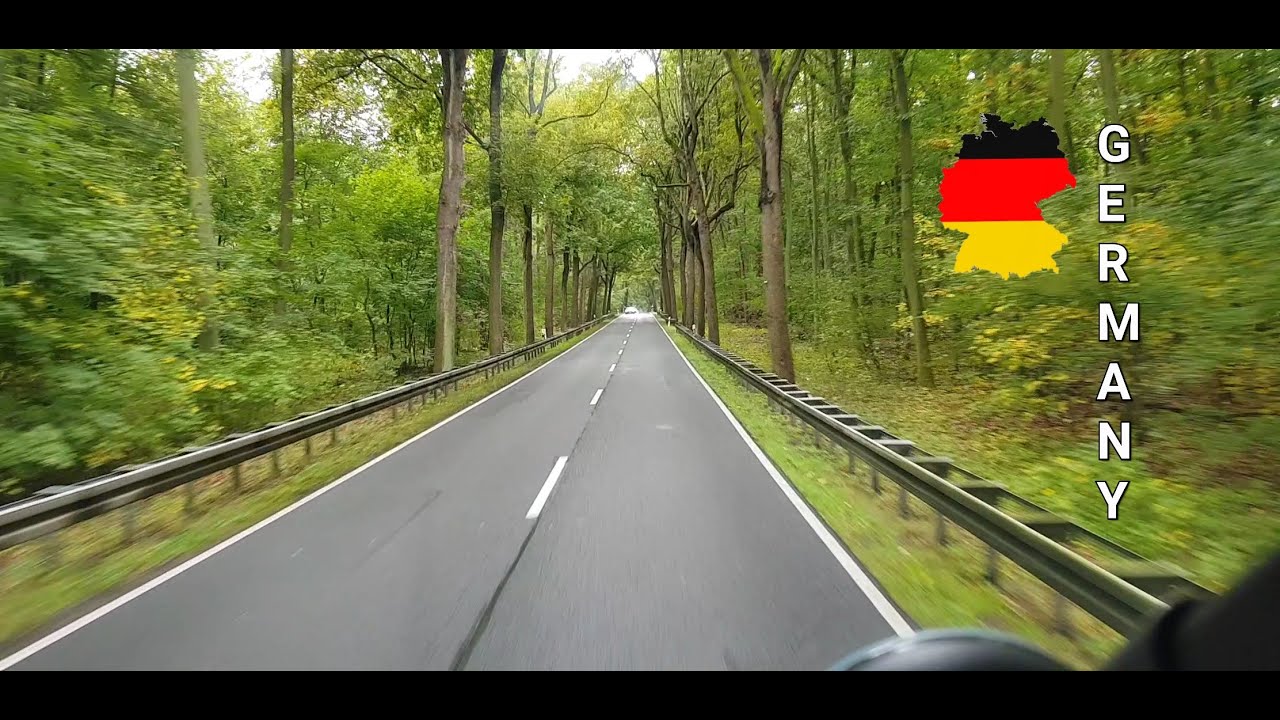
The asphalt always looks the same at four in the morning. It is a dull, bruised gray, glistening with the stubborn condensation of a night that refuses to break. To anyone passing by at highway speeds, it is simply a surface to conquer—a ribbon of infrastructure designed to move bodies from point A to point B with cold efficiency.
Until it isn't. Discover more on a similar subject: this related article.
Silence. Then, the grinding shriek of twisted metal tearing against gravity. Glass bursting like frozen stars. And then, the heavy, suffocating quiet that follows catastrophic impact.
Twelve people didn't wake up to see the sunrise. Additional analysis by Associated Press highlights similar perspectives on this issue.
They were daughters, fathers, shift workers, and quiet neighbors carrying the ordinary weight of everyday existence. Some were likely watching the amber streetlights blur past through fogged windows, thinking about the warm coffee waiting at the end of the line, or the weekend chores left undone. Their lives were structured by routine, bound by the predictable rhythms of commuting across borders in a continent knit together by asphalt and steel.
Then came the turn. The split second where physics overrode intention.
When news reports flash across screens bearing headlines about fatal highway collisions, our brains naturally retreat into defense mechanisms. We process the numbers as statistics. Twelve dead. Dozens injured. Investigations pending. The abstract scale of the tragedy acts as a shield, protecting us from the raw, unbearable intimacy of sudden loss.
Let us drop the shield.
Imagine a single suitcase tucked into the underbelly storage compartment of that bus. Inside, folded neatly, is a gift bought on sale, or perhaps a child’s favorite worn-out sweater. The person who packed it had plans for Tuesday. They had grocery lists. They had unfinished arguments, unspoken apologies, and small dreams that felt entirely permanent.
On a stretch of Hungarian highway, those plans evaporated.
Road safety statistics often read like abstract poetry written by bureaucrats. We hear about driver fatigue, speed thresholds, wet braking distances, and infrastructure compliance. We talk about heavy commercial transport regulations and the silent hazard of midnight transit. These factors matter. They are the measurable gears of a massive transportation system that moves millions of people daily across borders without incident.
Yet, every numerical spike in a traffic report represents a fractured lineage.
Consider what happens next in the quiet villages and city apartments where those twelve empty seats now wait. The telephone rings with that specific, sharp frequency that instantly tightens the stomach. Time splinters. For the families left behind, the calendar freezes on a random day in the middle of a week. The world outside keeps moving—cars honk, coffee shops open their shutters, politicians debate transit policy—while inside a living room, grief enters like an uninvited guest who refuses to leave.
We build faster vehicles. We pave wider roads. We install intelligent braking systems, lane-departure warnings, and overhead digital signboards meant to shepherd human error away from disaster. Yet, the margin for error remains razor-thin. It relies on the frail biology of a human being sitting behind a wheel or the sudden mechanical failure of machinery moving at sixty miles per hour.
We look at road accidents as anomalies, brief disruptions in an otherwise smooth modern life. But they are stark reminders of our shared vulnerability. Every time we step onto a bus, board a train, or turn the ignition of a car, we place an extraordinary amount of trust in strangers and steel. We trust the driver's reflexes. We trust the mechanic's thoroughness. We trust the invisible engineering keeping tons of weight balanced on rubber tires.
When that trust breaks, the aftermath demands more than official inquiries and institutional condolences. It demands witness.
The investigation in Hungary will run its course. Authorities will analyze tachographs, test brake fluid, interview survivors, and compile dossiers destined for archives. Recommendations will be drafted. New safety measures might be implemented along that specific corridor to prevent history from repeating itself.
But the ache remains entirely unmetered.
As the sun climbs higher over the highway, cleaning away the last remnants of the morning mist, traffic resumes its steady, indifferent pulse. Trucks rumble past the site of the wreckage. Commuters check their phones, impatient for the morning crawl to clear. Life rushes forward, desperate to fill the vacuum.
Yet, somewhere out there, a kettle is sitting cold on a stove, waiting for a key to turn in a lock that will never turn again. The road stretches on, carrying the living toward destinations they take for granted, while twelve quiet spirits linger in the space between here and home.