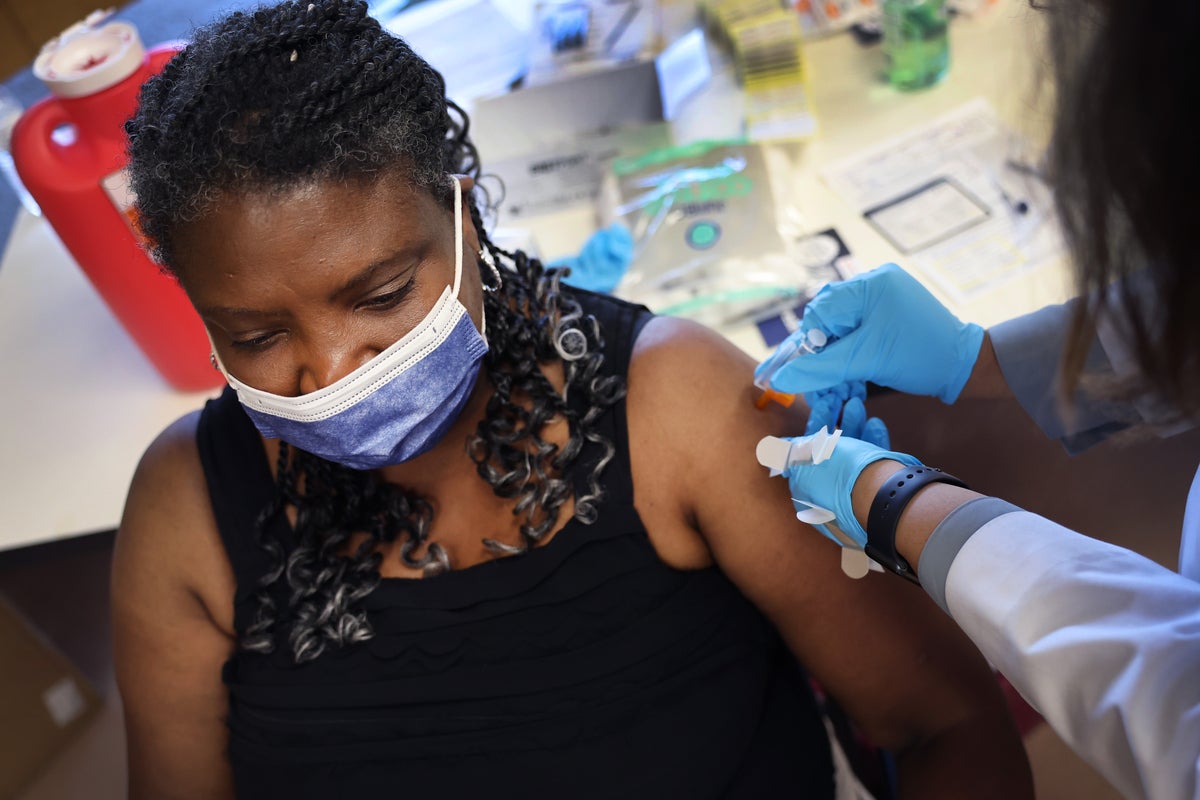
Every single autumn, millions of us head to the local pharmacy or doctor's office hoping for a straightforward trip to protect against the incoming wave of winter bugs. Lately, though, getting your shots feels like decoding a bureaucratic puzzle. Between shifting federal announcements, overlapping eligibility rules, and conflicting messaging, it is completely normal to feel lost.
If you are wondering which shots you actually need, whether your insurance will foot the bill, or how to time everything without losing your mind, you are not alone. Let’s clear away the noise and look at what the current evidence actually says about the trio of fall vaccines: COVID-19, flu, and RSV.
Cutting Through the Confusion on COVID-19 Shots
The biggest source of friction every year centers around the updated coronavirus vaccines. Federal health agencies and advisory boards often trade public barbs or alter recommendations, leaving everyday people wondering if they even qualify for a dose.
For the current season, the updated formulations target newer circulating strains, such as the JN.1-lineage variants, designed to give your immune system a fresh blueprint against evolving mutations.
Who should get it? Broadly speaking, federal guidance and major medical associations like the Infectious Diseases Society of America (IDSA) emphasize that vaccination remains a critical safeguard, especially for higher-risk groups. This includes:
- Adults aged 65 and older
- Anyone with underlying chronic conditions like heart or lung disease
- Immunocompromised individuals
- Pregnant individuals
- Healthcare workers and residents of long-term care facilities
You might hear phrases tossed around like "shared clinical decision-making." Don't let clinical jargon trip you up. It simply means you and your healthcare provider—or your pharmacist—talk briefly about your personal health history, daily exposures, and risk tolerance to decide if the booster makes sense for you right now. In most states, you don’t need a doctor's prescription to walk into a pharmacy and get your jab, but checking with your local provider helps if you have specific insurance questions.
The Reality of the Annual Flu Shot
While COVID-19 guidance grabs headlines, the influenza vaccine remains the old, reliable workhorse of fall immunization. Yet, barely half of all adults bother to get one each year. That is a missed opportunity, especially given how unpredictable winter respiratory seasons can be.
The seasonal flu vaccine is trivalent, meaning it guards against three distinct influenza strains (two A viruses and one B virus) updated to match what scientists predict will circulate.
Timing matters more than people think. Getting your flu shot in July or August might sound proactive, but immunity can wane over the course of the winter months—particularly for older adults. Aim for September or October. If you have kids aged 6 months through 8 years who require two doses for the season, get that first one early so the second dose can follow four weeks later.
If you are 65 or older, ask specifically for the high-dose, adjuvanted, or recombinant flu vaccines. Your immune system responds more robustly to these specialized formulations, which offer stronger protection than a standard-dose shot.
Who Actually Needs an RSV Vaccine?
Respiratory syncytial virus used to fly under the radar for adults, treated mostly as a pediatric nuisance. Now that we have vaccines for it, navigating eligibility is where most people get tripped up.
Unlike the flu or COVID shots, the RSV vaccine is not an annual repeat requirement—at least not based on current guidelines. If you received a dose last year or the year prior, you generally do not need another one.
Current recommendations focus sharply on specific populations:
- Adults aged 75 and older should receive a single lifetime dose.
- Adults aged 50 to 74 who live with high-risk medical conditions—such as severe chronic obstructive pulmonary disease, advanced kidney disease, or compromised immune systems—are urged to get vaccinated.
- Pregnant individuals can receive a specific RSV vaccine during late pregnancy to pass protective antibodies directly to their newborns before birth.
If you fit these criteria, check your local pharmacy availability. Three primary options exist—protein-based choices like Abrysvo and Arexvy, alongside mRNA choices like mResvia. Your pharmacist can look up your history to see if you have already checked this box.
Can You Get Them All at Once?
One common question is whether you can roll up your sleeve for a COVID booster and a flu shot during the exact same visit. The short answer is yes. Getting multiple vaccines at once saves you extra trips to the clinic. You might experience a slightly more pronounced temporary side effect profile—like a sore arm, mild fatigue, or a low-grade fever for 24 hours—as your immune system handles both stimuli simultaneously, but it is safe and effective.
Take a look at your personal calendar, evaluate your actual exposure risks, and talk directly to your pharmacist or doctor if you fall into a gray area. Skip the political theater in the news, look at your health profile honestly, and get your protection lined up before the peak winter wave hits.