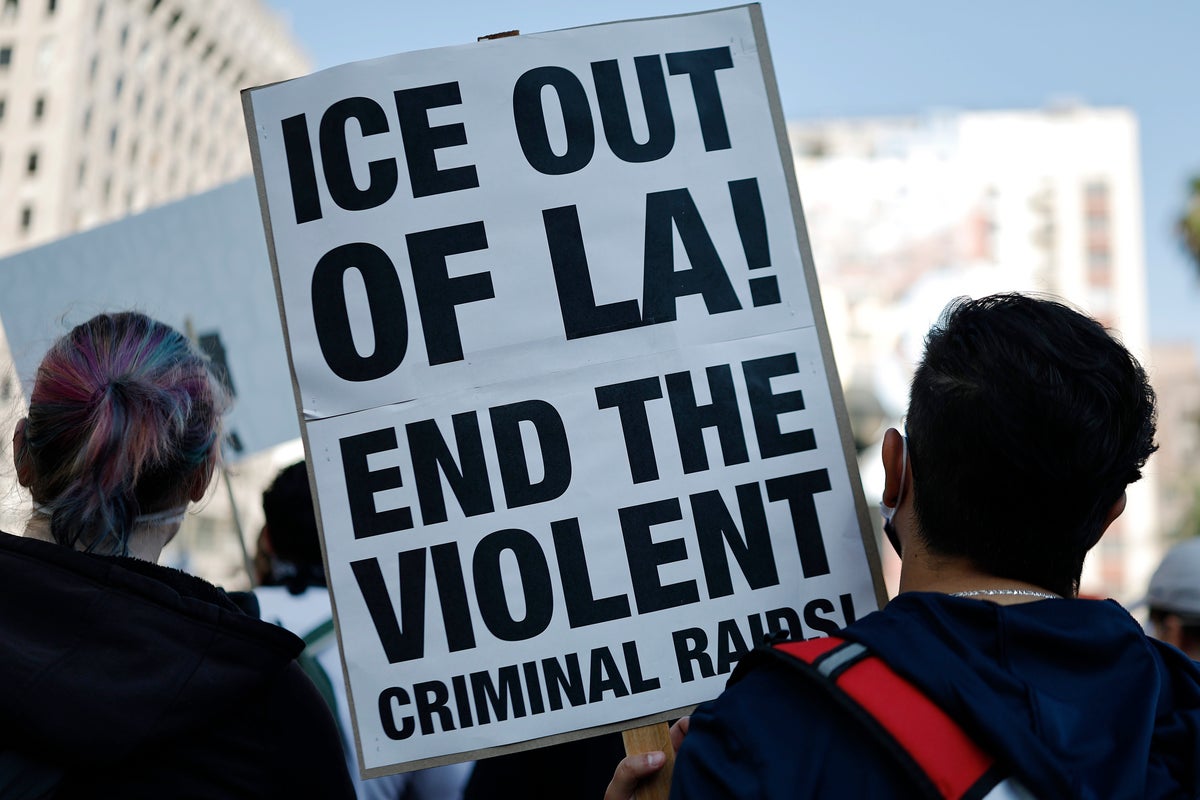
The headlines cheer the gavel dropping. Another federal prison sentence handed down for an act of explosive rage against law enforcement. The public breathes a sigh of collective relief, assuming a dangerous variable has been removed from the equation.
That reaction is pure laziness.
When a man hurls burning debris at trapped California Highway Patrol officers, the knee-jerk media narrative paints a picture of pure, unadulterated evil. It offers a neat, tidy villain for a society desperate to believe its institutions are functioning properly. But looking only at the flames ignores the structural kindling that fed the fire.
Federal prison sentences for violent outbursts do not solve violence. They institutionalize the symptom while completely ignoring the disease.
The Fallacy of the Deterrent Myth
We love the fiction of deterrence. The legal establishment wants citizens to believe that dropping a heavy hammer from a federal bench acts as a magical shield against future chaos.
History and data laugh at this premise.
Severe sentences do not deter acts born of acute situational panic, systemic alienation, or profound psychological distress. When someone reaches a breaking point where trapping law enforcement officers and throwing fire feels like a viable choice, rational cost-benefit analysis has already left the building. That person is not calculating the difference between a ten-year sentence and a twenty-year sentence. They are operating in a state of total system failure.
Treating the courtroom as a therapeutic space for social redemption is a historic failure of statecraft. Courts are machinery. They process outcomes; they do not heal fractures.
Manufacturing the Adversary
Look closer at the friction points between citizens and state troopers on modern asphalt. We have militarized traffic enforcement, turned municipal budgeting into predatory citation traps, and left citizens isolated inside systems they cannot navigate or afford.
When the state interacts with vulnerable or volatile populations primarily through the barrel of a citation book or the bumper of a patrol cruiser, the relationship ceases to be civic. It becomes colonial.
I have watched local governments squeeze communities dry with fines and fees until administrative violence feels indistinguishable from physical violence to the people on the receiving end. When a pressure cooker explodes, punishing the steam does nothing to lower the temperature under the stove.
Throwing someone into a federal penitentiary costs taxpayers tens of thousands of dollars a year, locks them into an ecosystem of advanced criminality, and calls it justice. It is an expensive form of sweeping the problem under a concrete rug.
The Cost of Institutional Laziness
The lazy consensus demands villains because villains are easy to manage. They allow us to avoid asking harder questions about why our civic spaces are fracturing into literal war zones.
If we refuse to interrogate the escalation pathways that turn routine traffic stops or crowd control incidents into lethal standoffs, we are simply waiting for the next fire to start. A prison cell is not a solution. It is a monument to our collective failure to build a society where people do not feel compelled to burn it down.
Stop celebrating the sentence. Start questioning the system that built the pyre.