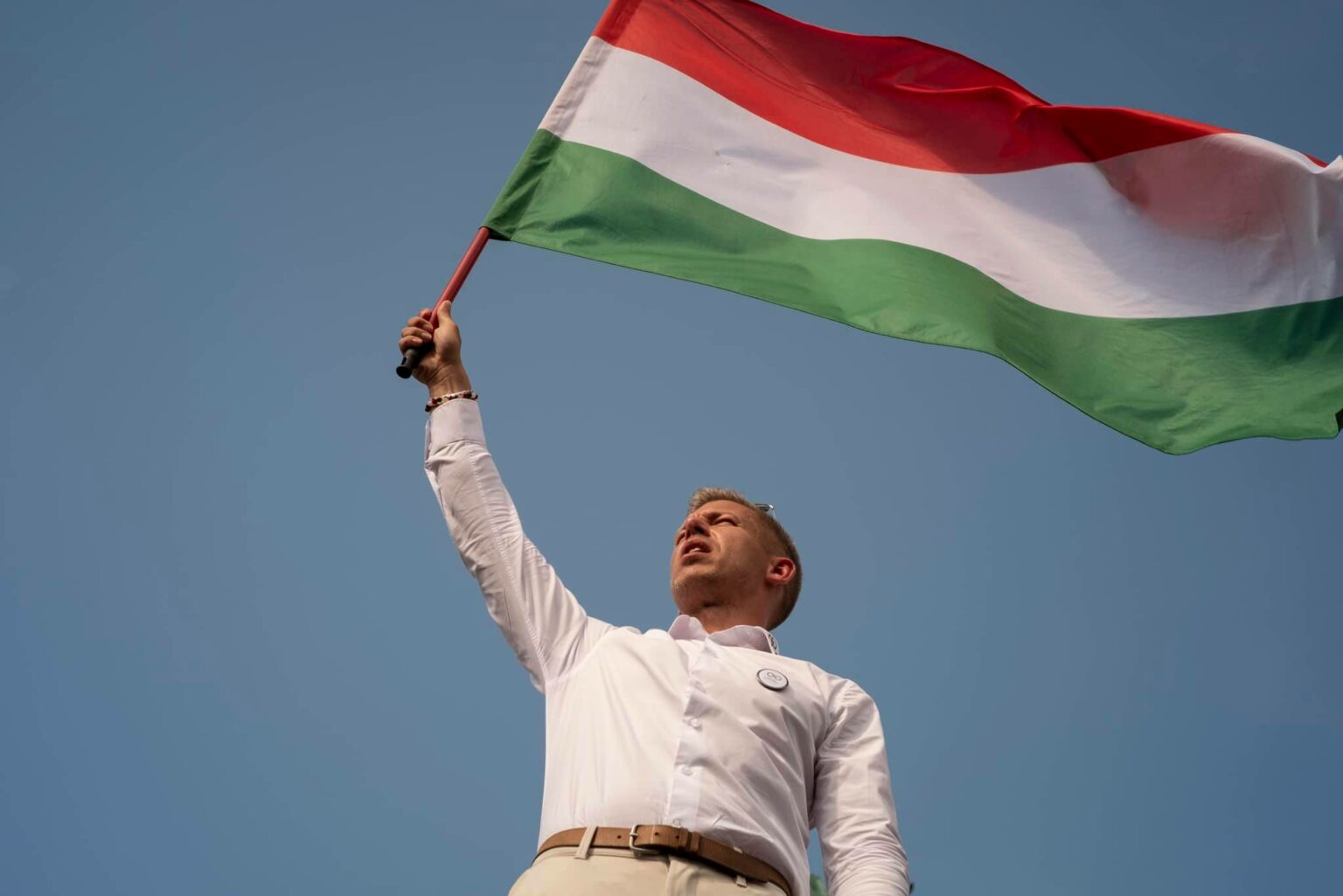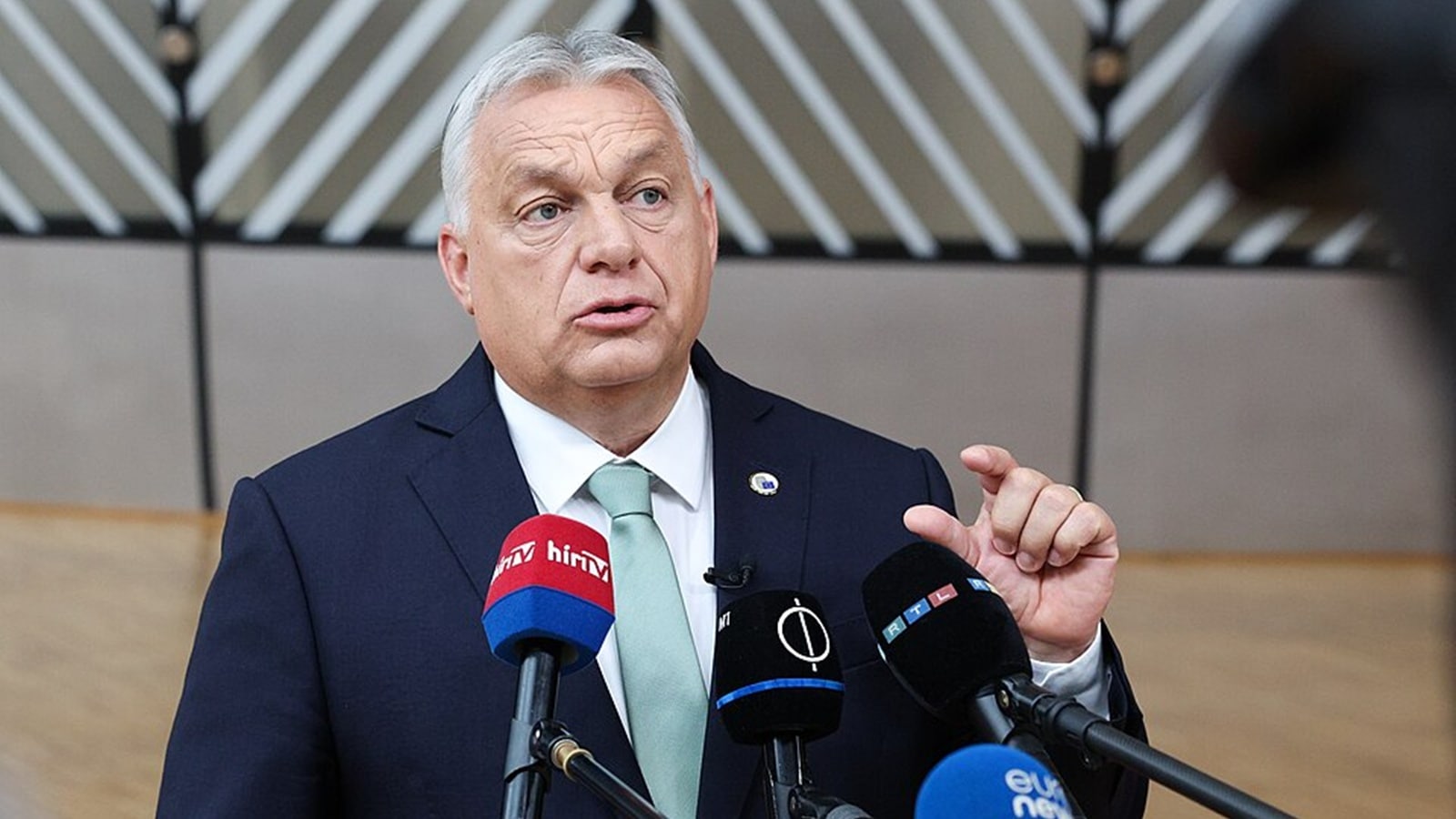
Viktor Orbán is out. After sixteen years of tightening his grip on Budapest, the architect of Europe's first "illiberal democracy" has been toppled by an electorate that finally found its breaking point. This was not a narrow defeat or a statistical fluke. It was a total rejection of the cronyism and isolationist rhetoric that defined the Fidesz era. The opposition, once a fractured mess of ideological rivals, managed to hold a unified front long enough to puncture the myth of Orbán’s invincibility.
The collapse happened faster than the polling suggested. While state-controlled media outlets hammered home messages of national sovereignty and traditional values, the basement of the Hungarian economy was rotting. Inflation and a widening gap between the elite circle of oligarchs and the working class turned the tide. Voters decided that the price of "stability" had become too high to pay.
The Cracks in the Fortress
For over a decade, Orbán operated with a playbook that many authoritarian-leaning leaders envied. He rewrote the constitution, gerrymandered electoral districts, and ensured that the country’s wealthiest businessmen were his closest allies. This was a system designed to be permanent. It functioned by making dissent expensive and loyalty lucrative.
But a system built on patronage requires a constant flow of cash to stay lubricated. When the European Union began freezing billions in recovery funds over rule-of-law disputes, the taps started to run dry. Orbán could no longer buy the silence of the provinces with infrastructure projects that led nowhere. The rural voters, long considered the bedrock of his support, saw their purchasing power vanish. They realized that the grand defense of "Hungarian values" did not put bread on the table or keep the local clinics staffed.
The Failure of the Propaganda Machine
Control over the media was supposed to be the ultimate insurance policy. By consolidating hundreds of outlets under the KESMA foundation, the government ensured that a single narrative reached every corner of the country. If the television said the economy was booming, people were expected to believe it despite the evidence in their wallets.
The strategy backfired. In a world where digital bypasses are common, the heavy-handed nature of the state messaging became an insult to the intelligence of the average citizen. Younger generations, tired of being told who to hate and which borders to fear, mobilized. They didn't just vote; they organized on platforms the government couldn't effectively shut down. The "earthquake" wasn't just a political shift—it was a technological and demographic reckoning.
A Unified Front Built on Necessity
In previous cycles, the opposition was its own worst enemy. Leftists, liberals, and former far-right elements spent more time arguing with each other than challenging the incumbent. This fragmentation allowed Fidesz to win supermajorities with barely half the popular vote.
This time, the math changed. The opposition parties realized that under the current electoral rules, they had to hang together or hang separately. They formed a "big tent" coalition that focused on a single, undeniable message: the restoration of the rule of law. They stopped debating policy minutiae and started talking about corruption.
By running a single candidate against Fidesz in every district, they nullified the advantage of the gerrymandered maps. It was a brutal, pragmatic calculation. They stripped away the distractions and forced the election to be a referendum on one man’s record.
The Oligarch Exodus
Perhaps the most telling sign of the end was the shifting loyalty of the business elite. In the months leading up to the vote, rumors circulated about quiet meetings between prominent billionaires and opposition leaders. These men are not ideologues. They are survivors.
They saw the writing on the wall. A Hungary permanently at odds with the EU was a Hungary where their assets were at risk of becoming worthless. They began to hedge their bets. Support for Fidesz in the private sector didn't disappear, but it grew cautious. The financial backbone of the party began to soften, leaving Orbán more reliant on a state treasury that was increasingly empty.
Europe Without its Problem Child
Brussels is exhaling. For years, Orbán acted as the primary internal saboteur of the European project, vetoing aid to Ukraine, blocking migration reforms, and flirting with Moscow and Beijing. He was the thumb in the eye of European integration.
His departure changes the geometry of the continent. Without the Hungarian veto to hide behind, other dissenting voices in the bloc, like the leadership in Slovakia or elements in the Western Balkans, find themselves exposed. The "illiberal" axis has lost its most effective strategist.
However, the new government faces a monumental task. They are inheriting a state where the bureaucracy is packed with Fidesz loyalists who hold long-term contracts. The judiciary, the central bank, and the media authority are all headed by individuals appointed by the previous regime. Removing Orbán was the easy part. Dismantling "Orbánism" will be a generational struggle.
Restoring the Treasury
The first order of business for the incoming administration is unlocking the EU funds. This isn't just about the money; it's about signaling to global markets that Hungary is returning to the fold of predictable, democratic nations. They need to prove that the law applies to everyone, including those who have spent the last decade profiting from government contracts.
There is a risk of a "witch hunt" narrative. If the new government moves too aggressively to prosecute the former elite, they risk alienating the millions who still voted for Fidesz. If they move too slowly, they betray the mandate of the voters who demanded justice. It is a tightrope walk with no safety net.
The Warning for Other Democracies
What happened in Budapest should be studied by every political scientist and strategist in the West. It proves that even when the deck is stacked—when the media is captured and the courts are packed—a determined and unified electorate can still force a change.
The "earthquake" was not an act of God. It was a deliberate, painful reconstruction of a democratic opposition. It showed that populist rhetoric has an expiration date, especially when it fails to deliver tangible prosperity. People will trade some liberty for security, but they will not trade both for nothing.
The era of the "strongman" in Central Europe has suffered a terminal blow. The myth that once you capture the institutions of a democracy, you can never be removed has been debunked. It took sixteen years, but the Hungarian people reminded the world that power is on loan from the governed, and the lease has finally expired.
The desks in the Prime Minister's office are being cleared. The portraits are coming down. The country is waking up to a reality where the government might actually have to answer a question it didn't write itself.