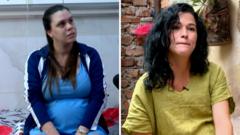
Imagine being eight months pregnant and having to decide if you should walk five miles in the Caribbean heat or wait for a bus that might never show up. This isn't a hypothetical exercise in endurance. It's the daily reality for thousands of women in Cuba right now. The island is suffocating under a massive fuel shortage that has paralyzed the transport system and pushed the healthcare model to its absolute breaking point. While the world looks at diplomatic maps, pregnant women are looking at empty roads.
The situation is a nightmare. Cuba has long prided itself on its "Maternal-Infant Program," a system that historically kept infant mortality rates lower than those in many developed nations. But that system relies on one thing the country no longer has: movement. When there’s no diesel for ambulances or gasoline for the private "almendrones" (classic cars) that serve as taxis, a routine check-up becomes a logistical feat. A high-risk pregnancy becomes a gamble with life itself.
The Breakdown of the Maternal Transport Chain
In the Cuban healthcare structure, specialized care for pregnant women is centralized. You don’t just go to a local clinic for everything. If a woman in a rural province like Granma or Holguín needs a high-resolution ultrasound or a consultation with a neonatologist, she usually has to travel to a provincial capital.
That journey used to be a bus ride. Now, it's a test of luck. The fuel blockade—exacerbated by failing infrastructure and a lack of foreign currency to buy oil—means that public transport has collapsed by nearly 50% in some regions. I’ve heard stories of women waiting at "puntos de recogida" (hitchhiking spots) for six hours just to get to a 15-minute appointment.
The stress alone is a medical risk. High blood pressure and preeclampsia are common complications that require calm and consistency. How can you stay calm when you don't know if you can get to the hospital when your water breaks?
Homes for Mothers or Prisons of Necessity
To combat the transport disaster, the Cuban government uses "Hogares Maternos." These are residential facilities where women with high-risk pregnancies are admitted weeks or even months before their due date. In theory, it’s a brilliant safety net. If you’re already at the clinic, you don't need an ambulance.
The reality in 2026 is grittier. These homes are struggling with the same shortages as the rest of the country.
- Food shortages: Providing the high-protein, high-calorie diet necessary for fetal development is becoming impossible.
- Power outages: When the fuel for power plants runs dry, the lights go out. In a tropical climate, no fans mean no sleep and a higher risk of dehydration.
- Sanitation: Water pumps need electricity or fuel. Without them, basic hygiene in these facilities suffers.
Many women are now choosing to stay home despite the risks. They'd rather be with their families, where they can at least scrounge for food together, than sit in an under-resourced institution. It's a choice between two different kinds of danger.
The Private Sector and the Million Peso Ride
If the state can’t move you, you turn to the private sector. But "mipymes" (small private businesses) and independent drivers have to buy fuel at "informal" prices. These prices are astronomical.
A trip that used to cost a few pesos now costs a significant portion of a monthly salary. For a family living on a state wage of 4,000 to 7,000 Cuban Pesos (CUP), a 2,000 CUP taxi ride to a maternity ward is a financial catastrophe. People are selling appliances, clothes, and livestock just to secure a ride for a laboring mother.
It creates a two-tier system of survival. If you have family abroad sending remittances (dollars or euros), you can buy your way to a hospital. If you don't, you start walking.
Shortages Beyond the Gas Tank
It’s not just the fuel. The lack of energy ripples through the entire medical supply chain.
When fuel is scarce, imports are delayed at the docks. Basic supplies like sterile gauze, sutures, and even oxytocin—used to prevent postpartum hemorrhage—are frequently in short supply. Doctors are forced to innovate in ways that would terrify a Western practitioner. They’re brilliant and dedicated, but they aren't magicians.
The psychological toll on medical staff is immense. Surgeons are performing C-sections under the glow of cell phone flashlights because the hospital generator didn't have enough diesel to kick in during a blackout. This isn't just an "inconvenience." It’s a systemic failure that turns every birth into a high-stakes event.
Why the International Community Can't Look Away
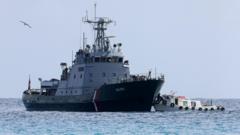
The "fuel blockade" is a complex mix of US sanctions (the embargo), the collapse of Venezuelan oil shipments, and internal economic mismanagement. Regardless of where you point the finger, the biological reality remains the same. A fetus doesn't wait for a diplomatic resolution.
International organizations like UNICEF and the Pan American Health Organization (PAHO) have tried to fill the gaps with medical kits and equipment. But you can't ship a steady supply of electricity in a cardboard box. You can't mail a functioning public transport system.
We’re seeing the erosion of decades of progress. For the first time in years, there are whispers and worries about the infant mortality rate ticking upward. Every time a truck can’t deliver oxygen tanks because it has no gas, the risk grows.
What Actually Needs to Happen
The situation is dire, but it isn't hopeless if there's a shift in how aid is prioritized. We need to stop thinking about this as just a political issue and start seeing it as a maternal health emergency.
- Direct Fuel Corridors: International pressure must ensure that fuel is prioritized for the public health sector, specifically for ambulances and maternal transport.
- Solar Integration: Hospitals and maternal homes need a desperate pivot to solar energy to bypass the failing grid.
- Local Support: If you're looking to help, donating to organizations that provide direct medical supplies to Cuban clinics is more effective than broad-based aid that gets stuck in bureaucracy.
The women of Cuba are incredibly resilient. They’re used to "inventando" (inventing) solutions out of thin air. But no amount of resilience can replace an ambulance when a woman is hemorrhaging at 3:00 AM in a town with no gas.
Support the organizations working on the ground like Global Health Partners or the Middle Atlantic Conference of the United Church of Christ, which have long histories of sending medical aid to the island. Advocate for the removal of medical and humanitarian supplies from all sanction lists to ensure that even if fuel is tight, the medicine is there.