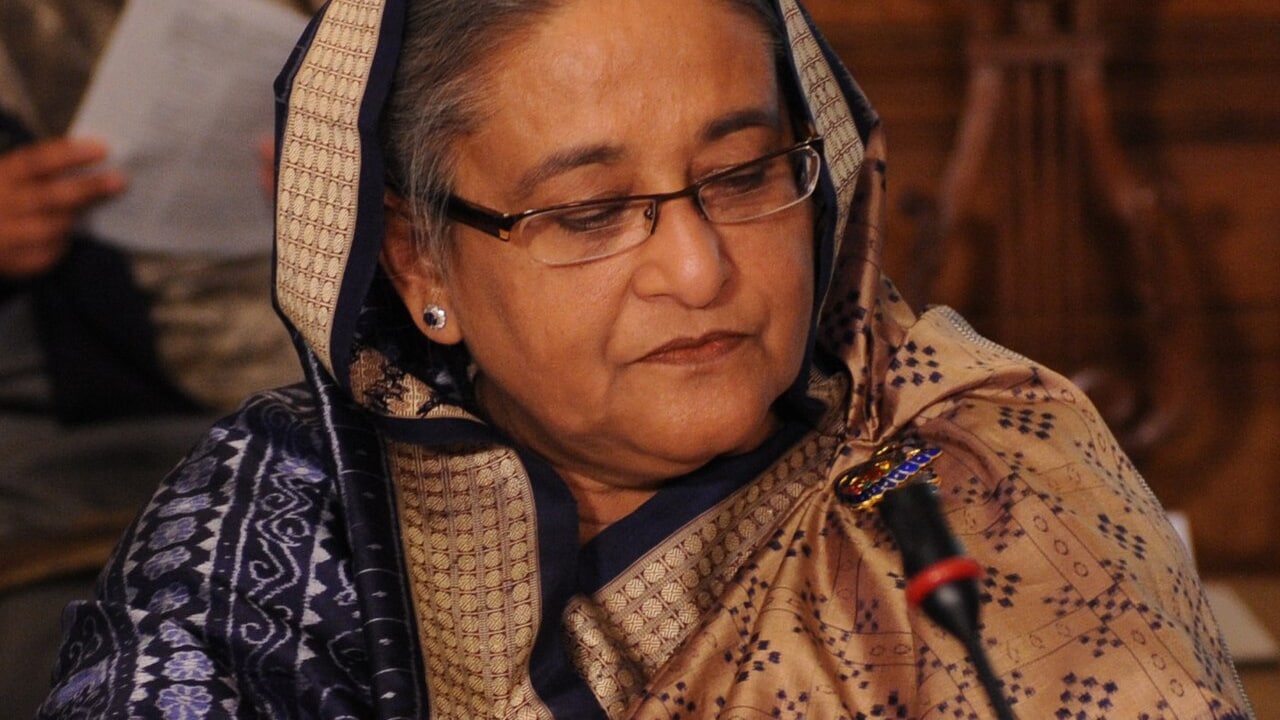
Two years after a student-led uprising shattered her long grip on governance, ousted Prime Minister Sheikh Hasina is stepping back into the public eye. Exactly two years after fleeing Dhaka for New Delhi, she is slated to address a virtual media gathering hosted by the Foreign Correspondents' Club of South Asia. The timing is far from coincidental. It lands on the exact anniversary of the August collapse and arrives hot on the heels of dramatic legal maneuvers, including a death sentence handed down by Bangladesh's International Crimes Tribunal.
For months, the diplomatic wire between New Delhi and Dhaka has hummed with tension. Hasina's scheduled appearance is expected to focus heavily on her stated intention to return to Bangladesh later this year. Yet, beneath the headlines of a high-profile media address lies a deeper geopolitical chess match. The new administration in Dhaka, following a general election earlier this year, continues to press India for her extradition. Meanwhile, her supporters and loyalists within the remnants of the Awami League watch anxiously as the party remains legally sidelined under anti-terrorism provisions.
The Mechanics of Exile And Accountability
Exile rarely silences a fallen leader, but it distorts their political footprint. When Hasina boarded a military transport aircraft on August 5, 2024, ending nearly sixteen continuous years in power, the state apparatus she built evaporated overnight. The subsequent domestic tribunal proceedings, which resulted in a guilty verdict for crimes against humanity regarding the violent suppression of the 2024 protests, have established a stark legal reality. The tribunal's 453-page judgment cited systemic crackdowns and the use of lethal force against unarmed demonstrators.
However, legal experts and international observers point to thorny due process questions surrounding trials conducted largely in absentia. While victims and their families demand unyielding accountability for the hundreds killed during the unrest, defense arguments and human rights organizations have scrutinized the structural integrity of the proceedings. This creates a volatile dichotomy. To the current government, the verdicts represent essential retributive justice. To Hasina's remaining loyalists, the rulings are viewed through a partisan lens, setting the stage for deep societal fractures that will not heal easily.
The Geopolitical Tightrope For New Delhi
India finds itself trapped in an uncomfortable diplomatic bottleneck. Granting sanctuary to a historic ally aligns with long-standing regional hospitality norms, but hosting a figure who has been convicted and sentenced to death by a neighboring friendly state strains bilateral pragmatism. Dhaka has formally requested her return, and officials in New Delhi have maintained that political activities from Indian soil are restricted.
Yet, public addresses and strategic media rollouts test the boundaries of these diplomatic constraints. If Hasina uses the New Delhi platform to issue direct political rallying cries, it risks validating Dhaka's fears that her presence in India acts as an incubator for destabilizing the current administration. Conversely, keeping her entirely muzzled creates domestic political blowback for Indian authorities who balance strategic regional partnerships with legal obligations.
The Reality Of A Planned Return
The most explosive element of Hasina's upcoming statements involves her declaration that she intends to return to Bangladeshi soil. Whether this is a calculated psychological tactic to keep her base mobilized or a genuine suicidal resolve remains heavily debated among South Asia analysts. She has publicly acknowledged the immense personal danger, stating that she expects arrest or worse upon touching down in Dhaka.
For a political movement that dominated the national identity for decades, the absence of its matriarch has left a vacuum. Yet, a physical return under the shadow of a capital sentence would transform her from an exiled politician into an immediate catalyst for civil unrest. The current leadership under Prime Minister Tarique Rahman has worked to solidify state stability, but the re-entry of a polarizing figure could instantly undo fragile institutional recoveries.
The upcoming address will offer clues regarding how the former leader plans to navigate her remaining political capital. The path forward remains fraught with legal tripwires, regional friction, and unresolved national trauma.
International Crimes Tribunal LIVE: Sheikh Hasina Sentenced to Death
This broadcast coverage provides deep context into the tribunal's verdict and the broader legal and political consequences surrounding the former prime minister's trials.
http://googleusercontent.com/youtube_content/1