Modern great power competition is bounded not by abstract grand strategy or technological superiority alone, but by the finite physics of industrial production and supply chain throughput. When regional friction escalates in the Middle East, the immediate downstream effect is an asymmetric expenditure of high-precision inventory. The strategic vulnerability facing United States force posture in an extended Iran-centric conflict is fundamentally a mathematical mismatch between finite interceptor stockpiles and proliferating low-cost asymmetric threats. This dynamic reveals structural fractures in defense acquisition policy, industrial base surge capacity, and the true cost function of modern missile defense.
The Asymmetric Attrition Trap
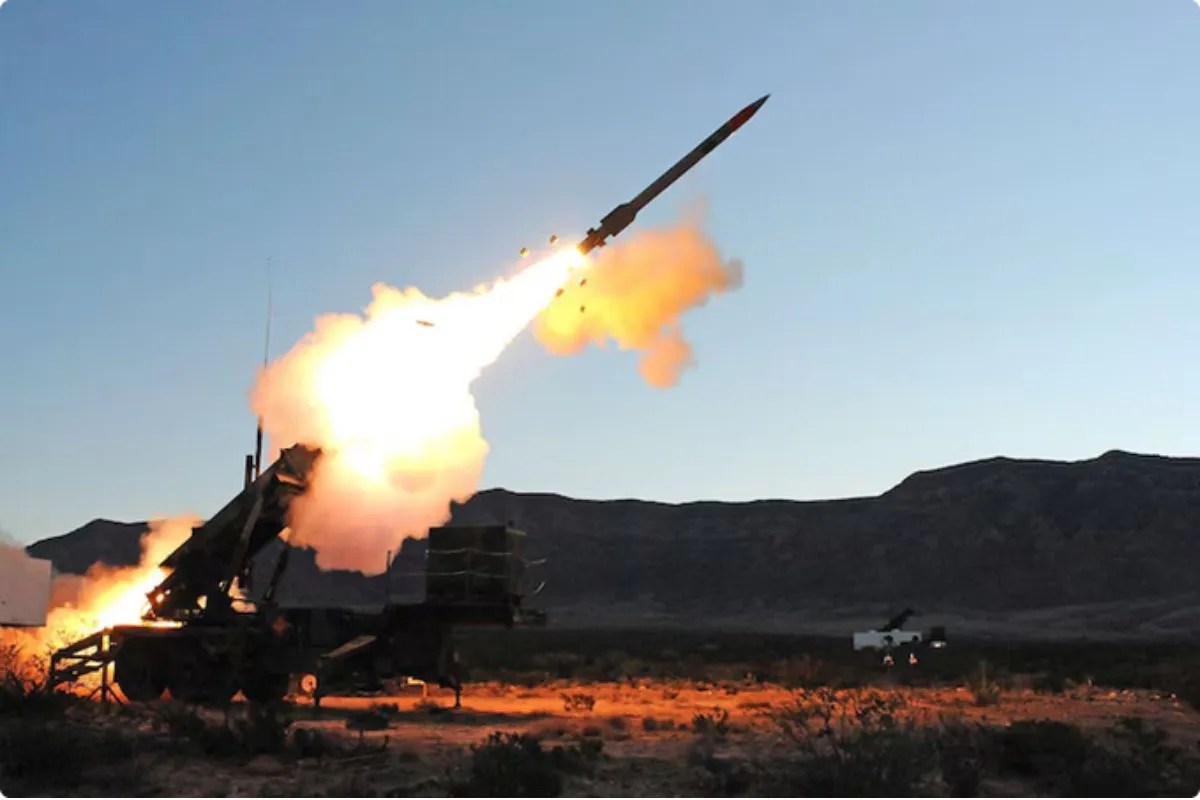
To understand the strain on American military readiness, one must first analyze the economics of missile defense. The operational framework deployed across the Central Command area of responsibility relies heavily on multi-layered interceptor systems. Standard Missile variants, Patriot Advanced Capability missiles, and Terminal High Altitude Area Defense batteries form the backbone of this architecture. Each unit represents a high-cost, low-yield manufacturing asset requiring precision components, rare earth materials, and specialized assembly windows.
Conversely, the opposing force architecture—typified by Iranian ballistic arsenals, cruise missiles, and one-way attack drones—operates on an entirely different cost curve. The strategic calculus engineered by regional adversaries exploits this cost disparity. By saturating airspace with inexpensive loitering munitions, an adversary forces a defending power to expend scarce, multi-million-dollar interceptors to neutralize threats that cost a fraction of a percent to produce.
This creates a severe inventory depletion rate. The Department of Defense faces a harsh replacement lag. Industrial baseline capacity for key solid rocket motors and guidance systems cannot match the high burn rates experienced during active theater defense operations. Consequently, extended engagement windows risk crossing a critical depletion threshold where interceptor availability drops below the minimum required for regional deterrence.
The Industrial Bottleneck
Defense readiness is often discussed in terms of deployed platforms, such as carrier strike groups, tactical fighter wings, and amphibious ready groups. However, platform survivability and effectiveness are functions of magazine depth. A warship without vertical launch system cells loaded with defensive missiles is a compromised asset.
The American defense industrial base operates on a just-in-time manufacturing model optimized for peacetime fiscal efficiency rather than wartime surge production. This philosophy introduces systemic vulnerabilities when confronted with sudden, sustained high-intensity conflict:
- Supply chain concentration for energetic materials, titanium forgings, and microelectronics limits sudden scale-up operations.
- Qualified workforce shortages in specialized aerospace engineering and precision machining restrict second and third-shift expansion capabilities.
- Multi-year procurement lead times mean that munitions expended today cannot be replaced by current production lines for twenty-four to thirty-six months.
When regional flashpoints require sustained air and missile defense operations, these structural bottlenecks transform a tactical engagement into a strategic liability. The consumption velocity consistently outpaces the manufacturing velocity, forcing military planners to make painful allocation choices between European, Indo-Pacific, and Middle Eastern theaters of operation.
Strategic Divergence and Global Opportunity Costs
Military readiness is a zero-sum allocation problem. Resources committed to sustaining persistent air defense umbrellas in the Middle East directly diminish the strategic reserve maintained for pacing challenges elsewhere. The primary theater of strategic competition remains the Indo-Pacific, where the tyranny of distance and maritime geography demand massive concentrations of long-range anti-ship and precision-strike munitions.
Every tactical intercept executed in defense of regional bases or allied territory draws down the finite pool of assets earmarked for high-end conflict contingencies. This structural reality alters deterrence calculations. Adversaries monitor American inventory trajectories closely. If persistent regional skirmishes successfully drain advanced interceptor inventories, the credibility of deterrence in primary theater contingencies degrades correspondingly.
Furthermore, allied nations relying on American defense guarantees face heightened exposure when United States stockpiles contract. The transfer of interceptor stocks to foreign partners during active crises further compresses domestic reserve margins, exposing a systemic lack of industrial resilience across the broader alliance network.
The Technology Adaptation Curve
Mitigating inventory depletion requires shifting the burden of defense from kinetic interception to alternative neutralization vectors, yet this transition faces technical and operational hurdles. Directed energy systems, electronic warfare jamming arrays, and high-powered microwave technologies offer low marginal cost-per-engagement metrics, but their operational deployment remains constrained by power generation requirements, atmospheric interference, and thermal management limits in arid environments.
Until non-kinetic defensive layers achieve widespread operational maturity, military planners remain shackled to traditional kinetic solutions. This reliance perpetuates the structural vulnerability of the inventory deficit. The institutional inertia of defense procurement cycles further slows the integration of commercial off-the-shelf technologies that could otherwise accelerate the fielding of distributed, lower-cost defensive networks.
The Capital Allocation Imperative
Reversing the erosion of military readiness requires a fundamental restructuring of defense budgeting and procurement authorities. Multi-year procurement authorizations must be expanded to guarantee long-term demand signals to prime contractors, incentivizing capital investment in secondary production facilities and raw material stockpiling.
Simultaneously, acquisition frameworks must prioritize modularity and mass over exquisite, low-volume capabilities. A force structure optimized exclusively for high-end technological dominance fails when confronted with attrition warfare where quantity dictates operational endurance.
Prioritize immediate multi-year contract awards for solid rocket motor manufacturing expansion, coupled with mandatory inventory reserve floors for critical theater defense assets, to decouple operational tempo from industrial manufacturing lead times.