You have definitely heard it before. Maybe it was tossed around during a luxury shopping trip, or dropped by some entrepreneur on social media trying to sound profound.
"If you have to ask how much it costs, you can't afford it."
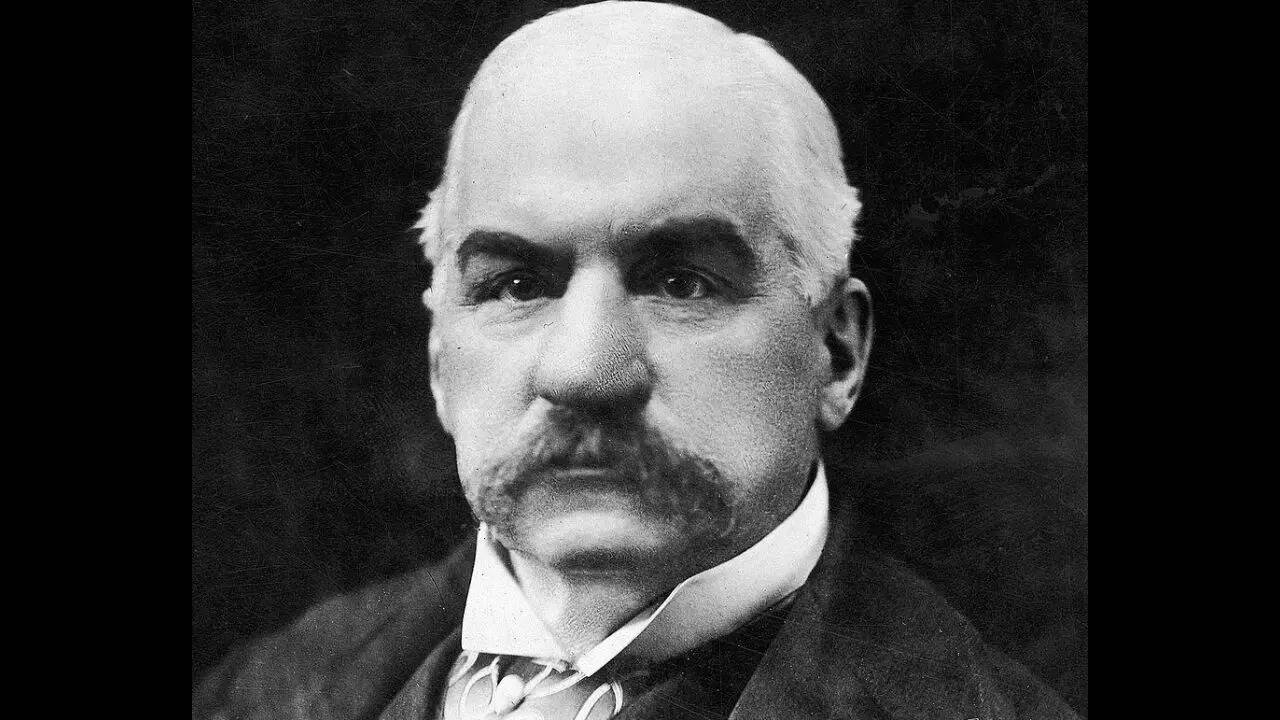
It is the definitive mic-drop phrase of high society and extreme wealth. Everyone attributes it to the Gilded Age financier J.P. Morgan. The image fits perfectly: a cigar-chomping titan of Wall Street standing on the deck of a massive steam yacht, looking down his nose at a lesser mortal who dared to inquire about the price tag of his lifestyle.
There is just one problem with this legendary piece of financial wisdom. It is almost certainly fake.
The Real Story Behind the Myth
When you look into what John Pierpont Morgan actually said, the neat little quote starts to fall apart. Biographer Jean Strouse examined the financier's life in immense detail. Her conclusion? Morgan was an inarticulate, private, and deeply unreflective man. He was not the type of guy to whip out an elegant, Oscar Wilde-style maxim on a whim.
The real interaction that birthed this cultural myth was much more direct, blunt, and honestly, a lot ruder.
Morgan was talking to the oil baron Henry Clay Pierce. Pierce was wealthy in his own right, not some penniless wanderer looking for a handout. He asked Morgan about the ongoing maintenance costs of running his legendary steam yacht, the Corsair.
Morgan did not say the smooth line we quote today. His actual response was far more aggressive: "You have no right to own a yacht if you ask that question."
Over the decades, the public morphed that specific, wealthy-guy insult into a universal law about luxury. It became a piece of folklore that makes the rich sound wise and the rest of us feel small. But when you examine the mechanics of actual wealth, the logic of the quote completely breaks down.
Rich People Ask for Prices All the Time
The idea that truly wealthy individuals never check price tags is a fantasy sold to people who do not have money. Conspicuous consumers and overnight millionaires might buy things blindly to prove a point, but generational wealth behaves differently.
Billionaires are often the most ruthless negotiators you will ever meet. They do not get rich—and stay rich—by overpaying for assets out of pride.
Think about how real business works. If a fund manager or a private equity investor bought a company or a piece of real estate without digging through every single line item of the expenses, they would be fired immediately. In the world of high finance, asking exactly what something costs is the bare minimum requirement of competence.
The irony of the fake J.P. Morgan quote is that the people who use it as a badge of honor are usually the ones making terrible financial decisions. They buy the luxury watch or the designer handbag without looking at the price because they want to project an image of effortless wealth. Meanwhile, the actual wealthy buyer is looking at the depreciation curve, the insurance costs, and the resale market value.
How Businesses Misuse the Myth to Overcharge You
Retailers and luxury brands absolutely love this quote. It is the best psychological trick ever invented to stop consumers from questioning high prices.
When a luxury boutique hidden behind a velvet rope conceals its prices, or a high-end restaurant lists items without numbers on the menu, they are weaponizing social anxiety. They want you to think that if you ask for the price, the salesperson will look at you with pity and realize you do not belong there.
It works incredibly well. Customers will literally swipe a credit card for an amount they cannot afford just to avoid the awkwardness of asking, "Hey, how much is this?"
This dynamic completely breaks the basic value equation of commerce. Usually, a purchase is a balance between perceived worth and actual cost. When a business hides the cost, they force you to make a blind bet. Many buyers simply walk away because the anxiety is too high. But the ones who stay often overpay drastically simply to preserve their social status in front of a stranger working a retail counter.
The Financial Lesson You Should Actually Take Away
Forget the fake elegance of the quote. If you want to protect your financial future, you need to flip the narrative completely.
If you do not ask how much it costs, you cannot afford it.
True financial security is built on clarity, data, and a total lack of shame regarding numbers. Operating in the dark regarding expenses is the fastest way to ruin. This applies to small daily habits just as much as it applies to buying a mega-yacht.
Here is how you can apply a realistic financial mindset right now, without the Gilded Age snobbery.
- Normalize asking the price immediately. Never let a salesperson or an service provider rush you into a decision without a clear, written estimate. If a brand makes you feel uncomfortable for asking the price, leave. They are using emotional manipulation to cover up a bad value proposition.
- Calculate the carrying costs. This is what Henry Clay Pierce was actually trying to figure out before Morgan snapped at him. The purchase price of an asset—whether it is a car, a house, or a piece of software—is only the entry fee. The real cost is the maintenance, the insurance, the storage, and the time it takes to manage it.
- Strip the emotion out of numbers. Money is math, not a measure of your personal worth. Asking for a discount or questioning an invoice does not mean you are poor. It means you are smart.
The next time someone drops the classic J.P. Morgan line to justify a blind purchase or a ridiculous price tag, you can smile knowing the truth. The real J.P. Morgan was just trying to keep a nosy competitor away from his boat logs. He was not giving you a rule for life. Look at the numbers, ask the tough questions, and never apologize for protecting your wallet.