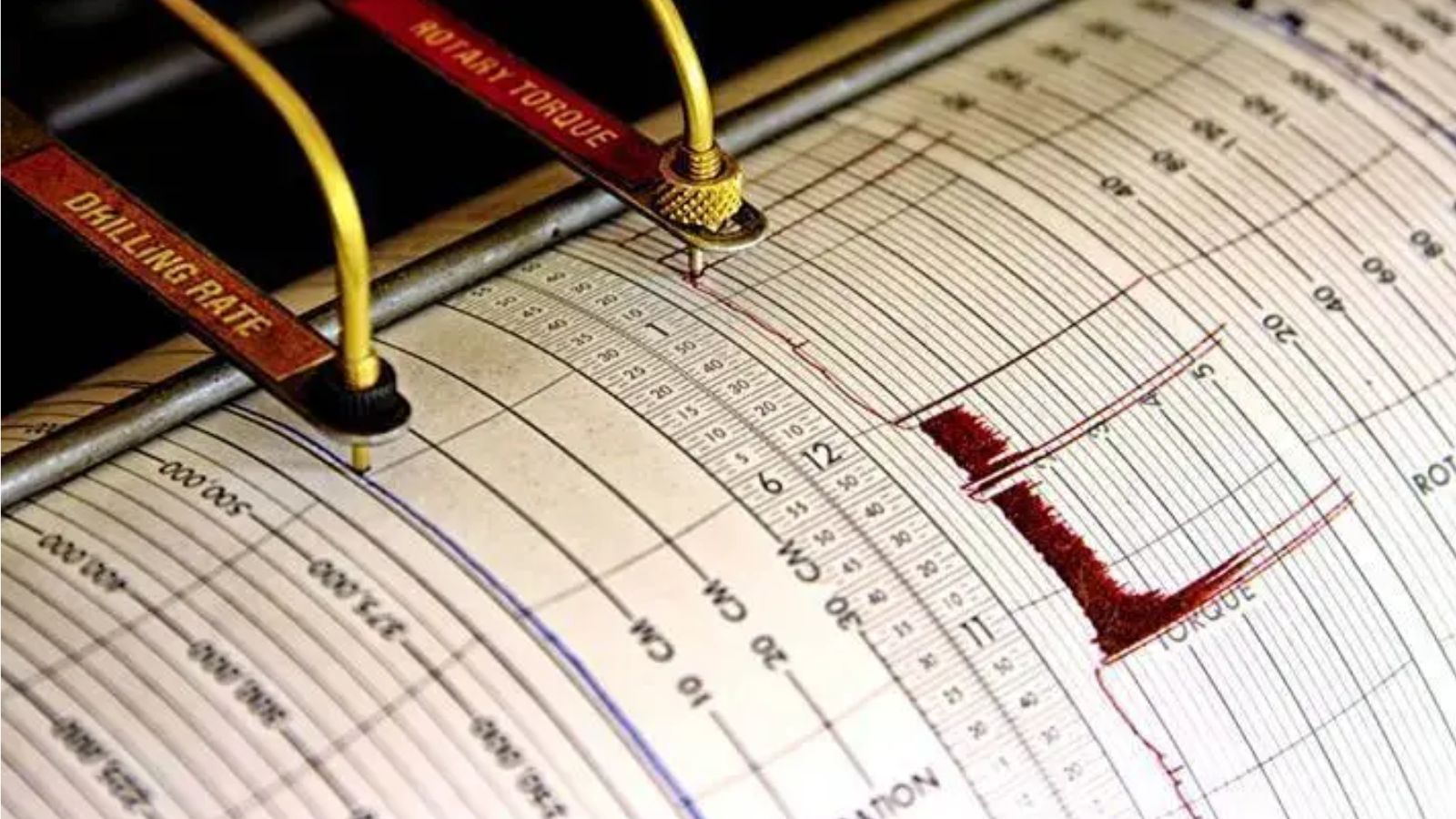
Another magnitude 7.7 hits Indonesia. The sirens wail. The panic spreads across international feeds. The automatic algorithms spit out high-threat tsunami advisories before the dust even settles on the fault line. Then, hours later, the ocean barely ripples, the evacuation orders lift, and everyone breathes a sigh of relief while congratulating themselves on modern science.
It is theater. Expensive, dangerous, and deeply flawed theater. Discover more on a similar subject: this related article.
When you look past the breaking news banners and the breathless cable coverage, you find an institutional addiction to over-warning. We have built a global disaster response machine that prefers crying wolf a thousand times over missing a single wave. But that trade-off is not free. Every false alarm degrades public trust, exhausts emergency responders, and trains coastal populations to ignore the very warnings designed to save them.
Let us dismantle the lazy consensus around seismic alerts. Further reporting by Reuters delves into comparable views on this issue.
The Flawed Physics Of Automated Panic
Seismology has made incredible leaps over the last three decades. We can measure moment magnitude within minutes. We can map slip distribution and locate hypocenters with frightening precision. But knowing an earthquake happened off the coast of Sumatra and predicting whether it will displace enough water column to devastate a coastline are two entirely different disciplines.
The standard media narrative treats an undersea earthquake like a giant paddle striking a bathtub. That is a child's mental model. Real tectonic mechanics involve complex slip geometries, varying bathymetry, oblique faulting, and sediment slumping. A 7.7 strike-slip earthquake can rattle windows for miles while doing next to nothing to the sea surface, yet automated warning protocols treat every major offshore jolt as an existential tsunami threat because liability trumps accuracy.
If your risk model relies on worst-case assumptions every single time, you do not have a warning system. You have a legal shield for government agencies terrified of congressional hearings.
The Economics Of Desensitization
I have spent enough time in coastal municipal offices across Southeast Asia to know the ground-level reality of constant alerts. When an evacuation siren goes off at three in the morning for the fourth time in two years, and the water stays flat, human behavior kicks in. People stop evacuating. They roll over and go back to sleep.
This is the hidden toll of systemic cry-wolf syndrome.
Psychologists call it habituation. Emergency managers call it fatigue. I call it administrative negligence. When you cry emergency when the threat is negligible, you are actively eroding the compliance rate for when the real cataclysm arrives. The next true Indian Ocean tsunami will not fail because we lacked sensors; it will fail because people assumed the red alert was just another bureaucratic exercise in CYA politics.
"A warning system that screams catastrophe on a Tuesday afternoon will be ignored on the Friday night it actually matters."
Redefining Preparedness Beyond The Siren
We need to stop measuring the success of a disaster response by how fast a bureaucrat can push a red button on a console. Speed without context is just noise.
Instead of broad-brush regional warnings that paralyze entire economies and empty cities for phantom waves, we should demand localized, probability-weighted advisories that account for actual displacement mechanics. If the focal mechanism is pure strike-slip, stop issuing coastal inundation alerts just because the Richter scale crossed a threshold. Tell the truth about the physics rather than defaulting to maximum panic to avoid blame.
True infrastructure resilience is not about scaring people into the hills every time a plate shifts beneath the Sunda Trench. It is about building structures that survive the shaking and establishing community-level response protocols that rely on local observation and targeted triggers rather than top-down edicts from distant capitals.
Stop funding the panic machine. Demand precision. The ocean does not care about your liability waivers.


