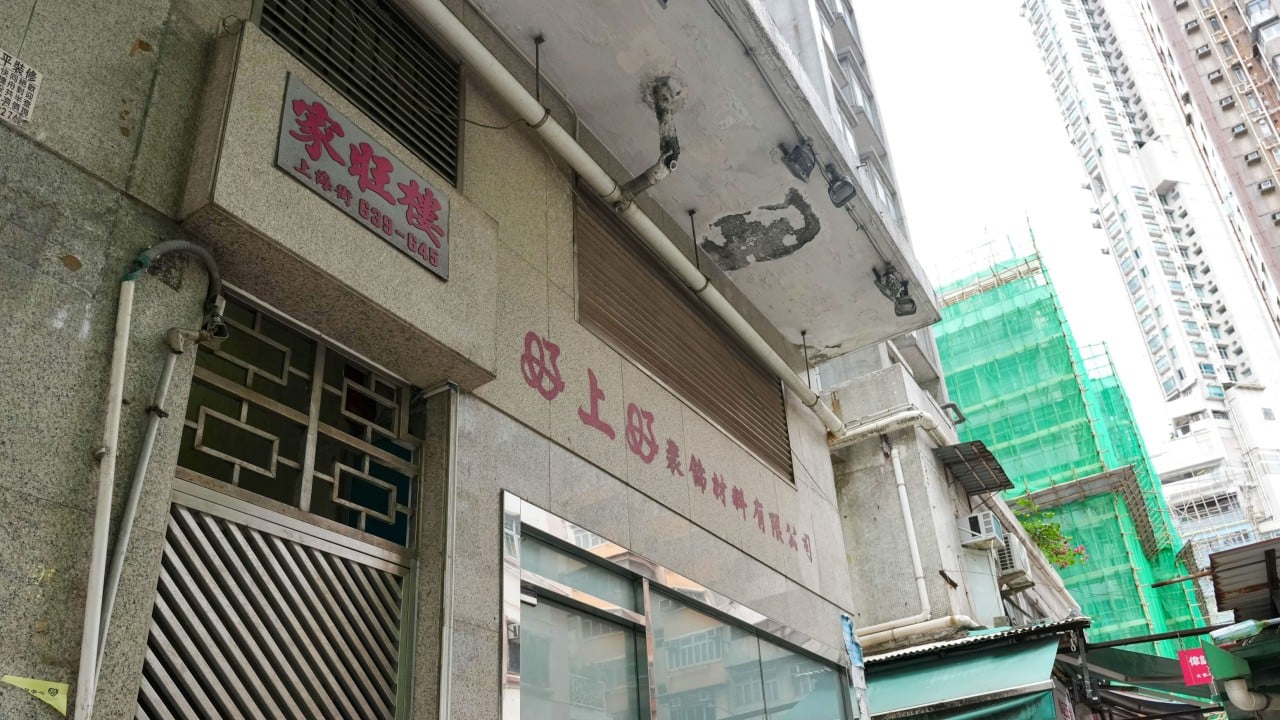
Public health bureaucracies love a good geographic scapegoat. When the Centre for Health Protection (CHP) blasted press releases warning the public about Mpox clusters linked to commercial venues—specifically commercial spaces like "Hutong" in Mong Kok or the "Cloakroom Sauna" in Tsim Sha Tsui—they relied on an outdated playbook. They want you to think the physical space is the hazard. They want you to look at a sauna blueprint and see a breeding ground for viral catastrophe.
It is a comforting, lazy illusion. By fixing the blame on specific recreational premises, health authorities can pretend they are managing an outbreak via contact tracing and localized hyper-vigilance.
They are missing the entire point. The physical venue is statistically irrelevant. The real driver of transmission is not a lack of hygiene in a specific establishment, nor is it the steam in a sauna room. The reality is an underlying network architecture of highly connected sexual behaviors that moves seamlessly across geographic borders, independent of whatever brick-and-mortar spot happens to be named in a government alert.
The Myth of the Dangerous Venue
Every time a cluster of Mpox cases drops in Hong Kong, the media runs the exact same narrative cycle: map the venue, interview an anxious neighbor, and remind the public to wash their hands.
This is fundamental epidemiology theater.
Let us break down the actual mechanics of the virus. Mpox—specifically the Clade IIb variant that dominates local transmission networks—requires prolonged, intimate, skin-to-skin contact to spread effectively. The virus is not floating through the HVAC system of a building like measles. It is not jumping off a freshly sanitized locker door.
When a health agency issues an urgent appeal for anyone who visited a specific premises on Shanghai Street to step forward, they are treating a network problem as a geographic problem. The individuals who contract the virus at these venues are not getting sick because the venue is uniquely dangerous. They are getting sick because those spaces act as physical nodes for an already highly active, international sexual network.
Consider the data from the recent clusters tracked by the CHP. Two patients tested positive in mainland China after visiting a Mong Kok establishment on the exact same afternoon. They did not know each other. They had no social overlap. Later, another individual visited the exact same spot weeks later and developed symptoms. The common denominator is not the room; it is the behavioral profile of the network utilizing the room.
If you close down every commercial sauna in Kowloon tomorrow, the transmission rate will not drop to zero. The network will simply shift its physical operations to boutique hotels, private apartments, or digital matchmaking platforms. Targeting the venue is like trying to stop internet piracy by raiding a single cybercafe.
The Network Illusion and the Travel Hub Fallacy
I have seen public health organizations waste millions of dollars on hyper-localized sanitization campaigns and localized panic-mongering while completely miscalculating how viral networks actually scale.
The prevailing consensus treats Hong Kong as an isolated ecosystem that occasionally gets spiked by an outside traveler. This view is fundamentally flawed. Hong Kong is an open international transit hub with immediate, friction-free proximity to mainland China and regional destinations.
[Global Travelers / Regional Hubs]
              │
              ▼
    [High-Density Digital Networks] ──(Grindr / Blued)
              │
              ▼
   [Physical Fluid Nodes] ──(Saunas, Clubs, Hotels)
              │
              ▼
   [Asymptomatic Transmission]
The network does not care about borders, and it certainly does not care about municipal health warnings. A substantial percentage of individuals infected with Mpox present with completely atypical, localized, or entirely asymptomatic infections.
When the CHP admits that they cannot establish epidemiological links between distinct cases, they are confessing to the limits of traditional contact tracing. They are looking for a linear chain of transmission (Person A infected Person B at Venue C) in a system that behaves like a decentralized web.
By the time a single symptomatic patient shows up at a Social Hygiene Service Clinic with visible lesions, the virus has already quietly cycled through multiple asymptomatic or sub-clinical nodes within the network. The public warning about a specific venue is not preventive; it is an autopsy of an event that happened weeks ago.
The Paradox of Targeted Vaccination
The standard, unchallenged solution to this structural problem is simple: tell everyone in the high-risk demographic to get vaccinated.
But even this prescriptive advice misses the operational nuance on the ground.
Data from historical local cohorts shows a glaring paradox. Patients who have received at least one dose of the vaccine do show significantly better outcomes—their median duration of illness drops from 18 days to roughly 15 days. That is a clear win for personal clinical management.
However, a shorter duration of illness does not automatically equal an immediate cessation of community transmission. When individuals assume that a partial or even full vaccination schedule makes them completely immune, their risk mitigation behavior drops significantly. They return to high-volume, high-density networks with a false sense of absolute security. Because the vaccine reduces the severity of symptoms, it can inadvertently lead to milder, unrecognized lesions that go unnoticed, allowing individuals to continue engaging in skin-to-skin contact while believing they are clear.
The hard truth nobody wants to admit is that vaccination is a tool for personal harm reduction, not a structural shield that completely isolates a community from an ongoing global endemic reality.
Dismantling the Flawed Premise
Go to any mainstream health portal or lifestyle blog covering this topic, and you will see the exact same "People Also Ask" questions answered with generic, unhelpful platitudes. Let us strip away the bureaucratic jargon and answer them with structural reality.
Can you catch Mpox from a casual visit to a Hong Kong bathhouse?
The phrasing of this question is entirely wrong because it focuses on the space rather than the behavior. You do not contract Mpox by sitting in a steam room or using a towel. The transmission dynamic requires direct, prolonged, friction-based skin contact with infectious lesions or shared bodily fluids. If your visit to a bathhouse involves zero intimate physical interaction with another human being, your statistical risk of contracting the virus is effectively zero. Stop blaming the architecture.
Why do outbreaks keep happening in these specific venues?
Because these venues function as high-efficiency physical routers for a specific, highly interconnected demographic. The individuals utilizing these spaces often have higher rates of partner turnover, which naturally increases the probability of encountering an active node in the viral chain. The venue is merely a physical manifestation of a digital network that exists on apps like Grindr or Blued. The outbreak is not happening because of the venue; the venue is just where the network happens to meet.
Is the current vaccine campaign failing?
No, but public expectations of what the vaccine does are deeply flawed. The vaccine is highly effective at preventing severe systemic illness, excruciating proctitis, and long-term scarring. It is an exceptional tool for personal health. But it is not a magical barrier that wipes out a decentralized, asymptomatic network. Believing that a vaccination drive will completely eliminate the virus from a major international hub like Hong Kong is a fundamental misunderstanding of viral mechanics.
The Actionable Pivot
If you want to actually navigate the reality of circulating viruses in an international city, you have to stop relying on municipal press releases to tell you where it is "safe" to go.
First, treat every high-density physical space as an active network node, regardless of whether it has been named in a government alert. If a venue has not been listed by the CHP, it does not mean the venue is clean; it simply means nobody has tested positive there yet. Relying on government lists for situational awareness is a lagging indicator that will get you infected.
Second, shift your focus from geographic avoidance to meticulous personal clinical screening. If you are active within these networks, your primary line of defense is not hoping your partners are vaccinated, nor is it avoiding specific neighborhoods in Mong Kok. It is the brutal, unsexy work of physical self-inspection and forcing the same transparency from your partners. The presence of any unusual, localized ulcer or rash—even in the absence of systemic symptoms like fever or swollen lymph nodes—must be treated as a hard stop.
The city's health infrastructure will keep playing whack-a-mole with saunas and clubs because it gives the public the illusion of regulatory control. They will keep sanitizing rooms and printing flyers. Let them. Your job is to understand that the network is the vector, the venue is an illusion, and your safety depends entirely on recognizing the structural reality of the web you are stepping into.