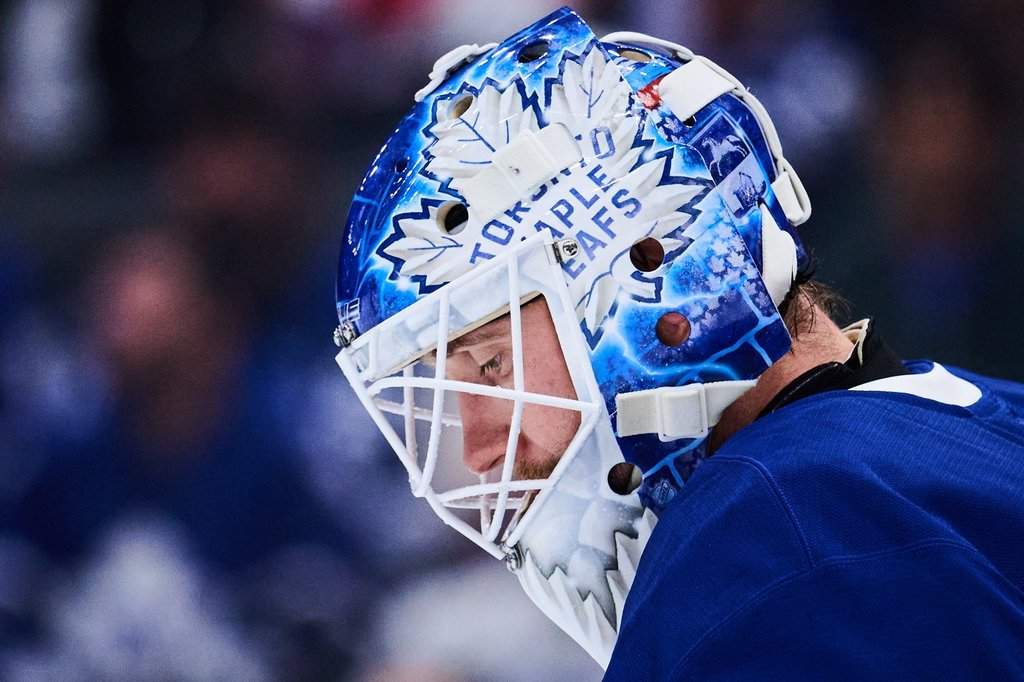
The hockey world treats the trade market like a high-stakes poker game where everyone thinks they hold the winning straight. Every winter, sports media outlets pump out endless articles profiling players changing addresses, romanticizing depth additions, and framing March and October acquisitions as the missing puzzle pieces for a championship run.
It is all a comforting fairy tale sold by general managers trying to justify their payrolls to ownership groups.
The lazy consensus in professional hockey circles dictates that stockpiling veteran rentals or paying premium draft capital for secondary line help guarantees postseason survival. Teams routinely mortgage their future for a third-line winger or a depth defenseman, clinging to the illusion that regular-season momentum translates seamlessly to spring hockey. The data tells a completely different story.
Let us look at the mechanics of roster construction. I have watched franchise executives blow millions of dollars and surrender prime assets for players whose isolated metrics show they produce zero net suppression of high-danger chances. When a front office trades a first-round pick and a high-ceiling prospect for a thirty-something rental with declining skating metrics, they are not buying a savior. They are buying expensive peace of mind.
Let us define terms precisely. A rental asset is defined strictly by two parameters: an expiring contract and a market valuation inflated by positional scarcity rather than sustained point-per-game production. When the New Jersey Devils acquired Connor Hellebuyck from the Winnipeg Jets or when teams shuffle marquee names across the league sheet, analysts hyperventilate over the immediate shift in team ceiling. They ignore the catastrophic erosion of organizational depth that follows. You cannot sustain a competitive window by trading away the entry-level contract pipeline that provides cost-controlled talent.
Imagine a scenario where a fringe playoff team acquires a veteran scoring winger at the deadline, sacrificing their next two draft classes. That team experiences a temporary bump in power-play percentage over twenty games, sneaks into the postseason as the eighth seed, and gets swept in four straight physical contests because their underlying defensive zone exits remain abysmal. The assets are gone. The player walks in July via unrestricted free agency. The front office is left holding a vacuum. That is not roster management. That is financial self-harm disguised as ambition.
The truth nobody in the traditional media machinery wants to admit is that chemistry is fragile, and wholesale mid-season roster disruption often destroys the very fabric that got a team into contention. Injecting a new body into an established locker room requires systemic adjustments that coaching staffs rarely have the practice time to implement cleanly. Players displaced by incoming rentals see their ice time plummet, morale fractures, and the team's defensive structure suffers.
Consider the obsession with grit and physical depth pieces. Front offices routinely overpay for players who throw hits on the forecheck while completely ignoring puck possession metrics. If your fourth line spends eighty percent of its shift chasing the puck in its own end, it does not matter how many body checks they register. They are a liability. Yet, trade trackers and preview columns celebrate these lateral moves as masterclasses in toughness.
To break the cycle of organizational stagnation, general managers need to stop reacting to fan panic and media pressure. Building a perennial contender requires ruthless patience. You hoard draft capital. You weaponize cap space to absorb bad contracts from desperate teams in exchange for premium picks, rather than being the sucker who gives up assets to rent a declining asset for two months.
Stop pretending that a mid-season change of address magically transforms a mediocre skater into a playoff hero. The scoreboard does not care about pedigree, and the salary cap does not offer emotional bailouts. If your team is relying on a March trade deadline acquisition to save its season, your franchise was already broken from the opening puck drop of October.
Stop buying the hype. Demand better asset management.