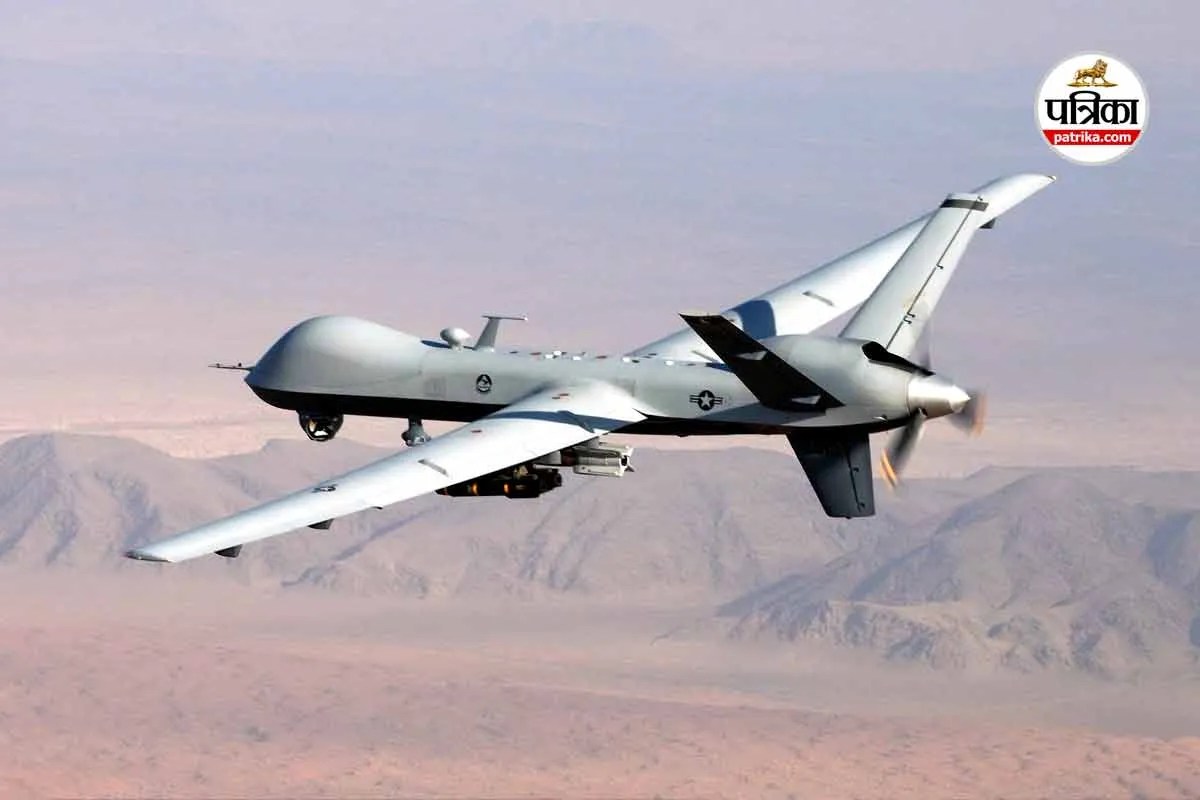
The internet is currently losing its collective mind over viral claims that dozens of high-end military drones worth billions have been obliterated in a flash. Social media feeds are flooded with sensationalist panic, breathless casualty counts, and a parade of armchair tacticians declaring the absolute death of modern air power.
It is loud. It is dramatic. And it is fundamentally, embarrassingly wrong.
I have spent years watching military analysts, defense contractors, and media outlets hyperventilate over every single piece of hardware scratched in a conflict zone. Every time a platform goes down, the same predictable script plays out: headlines scream about staggering financial losses, pundits declare a technological revolution overnight, and the public swallows a distorted narrative cooked up by people who have never spent a day looking at actual operational attrition models.
Let us strip away the sensationalism and look at what is actually happening beneath the noise.
The Myth of the Unscathed War Machine
The core misconception driving these breathless reports is a childishly naive premise: that modern military hardware is supposed to be immortal.
When a multi-million-dollar asset gets shot down, the immediate public reaction is treated like a corporate balance sheet disaster. People look at the unit cost, multiply it by a casualty count plucked from unverified social media rumors, and proclaim that a superpower is bleeding cash for nothing. This is not analysis. This is amateur hour accounting applied to high-stakes geopolitics.
Military hardware is consumable. It always has been. Tanks throw tracks, jets take shrapnel, and unmanned systems get intercepted. The entire calculus of modern defense procurement barks back to attrition rates factored into long-term strategic modeling years before a single asset leaves the hangar.
When a Reaper or equivalent platform enters a contested airspace, commanders do not expect it to float through enemy territory like an untouchable ghost. They trade altitude, exposure, and occasionally the asset itself for invaluable electronic signatures, radar telemetry, and air defense activation data.
Calling a downed drone a catastrophic financial failure misses the entire operational function of reconnaissance and strike platforms in modern conflict zones. You are paying for information dominance and tactical pressure. Sometimes, the admission price is a smoking crater in the desert.
The Real Cost Structure Nobody Talks About
Let us look at the actual math that the clickbait articles ignore.
The baseline cost of maintaining a persistent surveillance network over a hostile region is staggering. If you scale back operations out of fear of losing hardware, you surrender the intelligence high ground. Intelligence gaps kill missions far faster than lost airframes.
When an air defense network fires on a drone, two critical things happen that the breathless headline writers completely gloss over:
- The Defender Reveals Their Hand: Operating a radar or launching an interceptor requires lighting up electronic footprints. Every time a system shoots, it exposes its location, frequency, and response time to opposing signals intelligence.
- Cost Asymmetry in Reverse: A multi-million-dollar air defense missile is expended to destroy a platform. More importantly, the tactical expenditure forces the defender to deplete finite stockpiles of high-end surface-to-air munitions that cannot be easily replaced under sanctions or supply chain bottlenecks.
If you trade a mid-tier unmanned airframe for the precise GPS coordinates of a mobile launcher battery, that is not a loss. That is a brutal, calculated trade. The military planners understand this trade deeply. The internet commentators shouting about dollar figures simply do not have the clearance or the cognitive bandwidth to process it.
Dismantling the Panic Economy
Why do these distorted stories spread like wildfire? Because fear sells clicks, and simplicity beats nuance every single time.
Telling an audience that a complex tactical exchange resulted in strategic trade-offs and net-neutral attrition does not get shared ten thousand times on social media. Telling them that a superpower just suffered a historic, humiliating thrashing in a single afternoon gets engagement metrics spiking across the board.
We are living through an era of media consumption where tactical complexity is systematically erased in favor of cartoonish victories and defeats. Every engagement is framed as an existential turning point. Every lost asset is painted as a fatal blow to an empire.
It is garbage analysis.
If you want to understand modern conflict, stop looking at the unit price tag of a single piece of wreckage. Start looking at industrial capacity, supply chain resilience, electronic warfare adaptation cycles, and intelligence retention.
The drones will be replaced before the ink dries on the next defense budget appropriation. The real damage is being done to public literacy regarding how modern power actually projects itself across contested borders.
Stop reading the casualty scoreboards. Start looking at who is adapting faster.