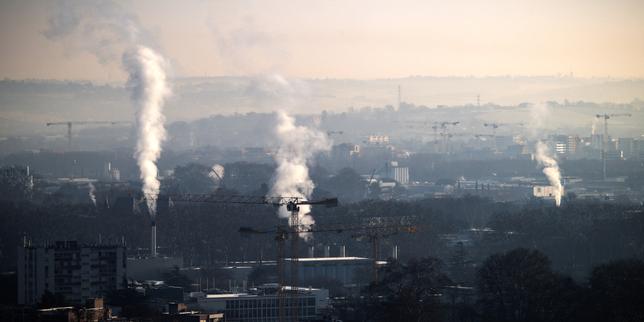
The European Union just threw a massive lifeline to its industrial sector. By proposing to ease carbon pricing rules until 2038, Brussels is admitting something quiet out loud. The green transition is pushing European factories to the brink of collapse.
If you've been following the European Emissions Trading System (ETS) and the Carbon Border Adjustment Mechanism (CBAM), you know the original plan was a relentless squeeze. Free pollution permits were supposed to vanish quickly. Heavy polluters had to pay up or clean up. Now, the regulatory gears are grinding backward. This unexpected policy shift marks a massive tactical retreat that will reshape European manufacturing for more than a decade.
Industry bosses have complained for years about sky-high energy costs. They watched manufacturing jobs flee to countries with weaker environmental laws. This new proposal proves that policymakers finally got the message. It's an attempt to keep steel mills, chemical plants, and cement factories from packing their bags and leaving Europe completely.
The reality behind the EU carbon pricing easing
Brussels didn't propose this change out of sudden generosity. It's pure survival mode. The European industrial core is bleeding out. High energy prices triggered by geopolitical shocks forced many factories to cut production permanently.
The core of the new proposal focuses on extending the transition period for heavy industries. Under previous agreements, free allowances under the ETS were slated for a swift phase-out. The plan was to replace them entirely with CBAM, a tariff on dirty imports. The new timeline stretches the safety net all the way out to 2038. This gives steelmakers, cement producers, and chemical giants an extra cushion to modernize their operations without facing immediate financial ruin from soaring carbon permit costs.
This isn't a small tweak. It's a fundamental rewrite of the decarbonization schedule. For years, European companies warned that forcing them to pay full carbon prices while competing with subsidized American manufacturers or cheaper Chinese imports was economic suicide. The US Inflation Reduction Act dangled massive tax breaks for green industries without imposing a carbon tax. Europe did the exact opposite. It penalized carbon emissions while offering complex bureaucratic subsidies. This proposal shows the EU is changing its playbook.
Why the original green timeline broke down
The math behind the original timeline simply didn't work. To understand why, look at the sheer capital required to clean up heavy industry. Switching a single major steel plant from coal-fired blast furnaces to green hydrogen costs billions.
Companies can't fund these massive investments if their current margins are wiped out by carbon taxes. It's a classic catch-22. The EU wanted companies to invest in clean tech, but the carbon pricing mechanism sucked away the cash needed to make those investments.
European factories faced a brutal competitive disadvantage on the global stage. A factory in Germany paying ninety euros per ton of carbon can't compete with a factory overseas paying zero. CBAM was supposed to fix this by taxing imports at the border. But implementing CBAM is a logistical nightmare. Trading partners threw a fit, threatening retaliatory tariffs and legal challenges at the World Trade Organization. By stretching the carbon pricing easing to 2038, the EU buys itself time to iron out the kinks in its border tax while keeping domestic factories on life support.
What this means for corporate strategy
If you manage an industrial company in Europe, this proposal completely changes your financial modeling. The immediate pressure on your balance sheet is lifting, but you shouldn't treat this as a green light to abandon sustainability goals.
Smart executives will view this extra time as a window of opportunity, not an excuse to procrastinate. The carbon bill is still coming. It's just delayed. The companies that win will use the capital saved from deferred carbon payments to aggressively fund green hydrogen, carbon capture, and electrification projects right now.
If you use this cash cushion to prop up outdated, high-emission processes, you'll face an even steeper cliff when 2038 arrives. The price of carbon allowances will eventually skyrocket as the total cap on emissions continues to shrink. This proposal delays the pain. It doesn't eliminate it.
The hidden risks of the 2038 extension
This policy shift creates a massive divide between different sectors of the economy. While heavy industry gets a breather, environmental groups are furious. They argue that delaying the carbon price burden undermines the EU goal of slashing emissions by fifty-five percent by 2030.
There's a real danger of creating a double standard. Green technology innovators who invested early based on the old rules might feel betrayed. They built business models expecting carbon prices to rise sharply and penalize their dirty competitors. Now, those dirty competitors get a free pass for another decade. This policy risks stalling market demand for innovative green alternatives. Why pay a premium for green steel today if traditional steel production stays artificially cheaper for longer?
This creates a complicated political dynamic inside Europe. Member states with heavy industrial bases like Germany, Poland, and Italy will fight hard to lock in these concessions. Countries that transitioned earlier to cleaner energy mixes might push back, fearing that their own industries will lose out.
Actionable steps for industrial operators
You need to adjust your long-term planning immediately to account for this extended timeline. Don't rely on old projections.
First, recalculate your carbon liability models through 2038. Adjust your capital allocation strategy to split the difference between current operational costs and future transformation projects. Use the temporary financial relief to lock in long-term renewable energy power purchase agreements. This protects your operations from volatile energy markets while lowering your indirect emissions.
Second, accelerate your engineering studies for deep decarbonization. The technology you need, like large-scale industrial heat pumps or clean hydrogen infrastructure, takes years to pilot and scale. Use the next few years to run pilot programs. When the free allowances finally drop off, your facility must be ready to flick the switch on proven, low-carbon technology.
Third, monitor the evolving CBAM regulations closely. Even with an extended timeline for domestic free allowances, the import tariff rules will mutate. Ensure your supply chain compliance teams can track the embedded carbon in your imported raw materials. You don't want to get caught off guard by border penalties on input goods, even if your internal manufacturing emissions are protected by the new proposal.
The EU gave heavy industry a second chance. It's a rare regulatory gift. Treat this 2038 horizon as a hard deadline to rebuild your business model from the ground up.