Washington is playing a game of tactical semantics that everyone—from the beltway pundits to the commodity traders—is buying wholesale. The narrative is simple: the U.S. will continue kinetic operations against Iranian interests but "pause" before hitting energy infrastructure. It sounds like a measured, surgical approach to regional stability.
It is actually a confession of strategic paralysis.
By signaling exactly what is off-limits, the administration isn't preventing a price spike; they are handing Tehran a roadmap for immunity. If you tell an adversary you will strike everything except the lungs that keep their economy breathing, you haven't "deterred" them. You have told them exactly where to hide their most valuable assets.
The Myth of the Surgical Strike
The current consensus suggests that hitting proxy outposts while sparing oil terminals is a "calibrated response." This is a fantasy born in air-conditioned briefing rooms. In the real world, there is no such thing as a partial war.
When you strike a command-and-control center but leave the crude oil flowing, you are essentially punching someone’s shadow and wondering why they aren't falling down. I have spent years watching policy analysts treat military intervention like a thermostat—just turn it up a few degrees here, down a few there, and eventually, the room reaches the "perfect" temperature of peace.
It never works.
Iran’s regional influence is funded by the very energy sites we’ve deemed untouchable. Every barrel of oil sold is a bullet fired by a proxy. To claim we are "striking back" while exempting the source of the funding is not strategy. It is theater. It’s an expensive, high-stakes way of looking busy while avoiding the actual problem.
Why the Market is Smarter than the State Department
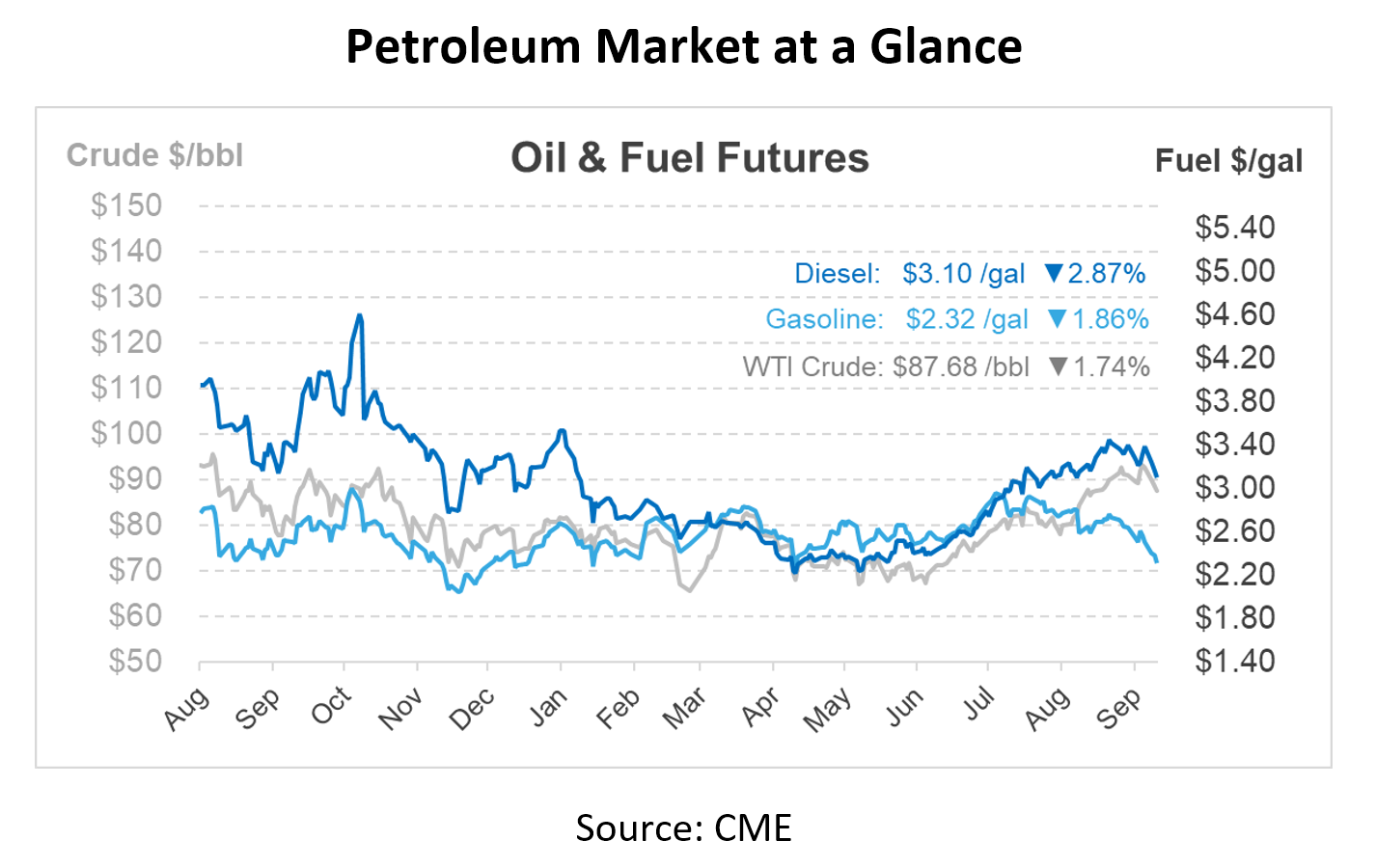
Traders aren't stupid. They see the "energy site pause" for what it is: a desperate attempt to keep gas prices low during an election cycle. The "sanctity" of these energy sites has nothing to do with regional stability and everything to do with domestic optics.
- The Inflation Trap: If the U.S. hits an Iranian refinery, Brent crude jumps. If Brent crude jumps, the pump price in Ohio jumps.
- The Proxy Loophole: Tehran knows Washington is terrified of $120 oil. Consequently, they can continue to supply drones and missiles to their networks with the absolute certainty that their primary revenue stream is shielded by American political anxiety.
By making energy sites a "no-go zone," we have inadvertently created a sovereign wealth fund for regional instability. We are effectively subsidizing the very activities we claim to be stopping.
The Logistics of a Failed Deterrent
Look at the math. The cost of a single precision-guided munition used to blow up a mud-brick warehouse in the desert far exceeds the cost of the warehouse and the low-level militants inside it.
We are trading million-dollar missiles for thousand-dollar targets, all while the multibillion-dollar energy infrastructure that pays for those targets remains pristine and operational. This is a negative ROI (Return on Investment) conflict. Any business operating with this level of inefficiency would be bankrupt in a quarter. In geopolitics, the bankruptcy just takes longer to manifest and is paid for in blood rather than balance sheets.
The "People Also Ask" crowd wants to know: "Will these strikes stop the attacks?"
The answer is a brutal no. Attacks stop when the cost of continuing them exceeds the benefit. As long as the oil keeps flowing, the benefit—regional hegemony and the humiliation of the West—remains cheap.
The Counter-Intuitive Truth about Escalation
The "lazy consensus" argues that hitting energy sites would lead to a "total regional war."
Imagine a scenario where the U.S. did the opposite. Instead of a "pause" on energy sites, what if those were the only targets?
Conventional wisdom says the Middle East would explode. Nuance suggests otherwise.
When you hit a proxy warehouse, you give the regime a martyr and a PR win without hurting their ability to function. When you hit a refinery, you threaten the regime's very survival. Autocracies do not risk "total war" when their internal grip on power is slipping because the lights are going out and the bank accounts are freezing.
The fear of escalation is often a self-fulfilling prophecy. By showing weakness—by announcing what we are afraid to hit—we invite the very escalation we seek to avoid. We are teaching our adversaries that as long as they stay under a certain threshold of annoyance, their "money makers" are safe.
The Oil Price Boogeyman
We need to stop being held hostage by the fear of a temporary price spike. Yes, hitting energy infrastructure would cause a shock. But a one-time shock is often better than a decade-long hemorrhage.
The U.S. is currently the largest producer of oil and gas in the world. We have the Strategic Petroleum Reserve. We have the capacity to weather a supply disruption better than almost anyone else. Yet, we act as if we are still in the 1970s, shaking at the thought of a closed terminal.
This "pause" isn't about protecting the global economy. It's about protecting the political status quo. We are prioritizing short-term economic comfort over long-term national security. It is a trade-off that will eventually come due, and the interest rate will be devastating.
Redefining the Win Condition
If the goal is to stop the strikes on U.S. interests, then the U.S. must strike what the Iranian leadership actually values. They do not value the lives of proxy fighters in the Levant. They do not value concrete bunkers.
They value the flow of capital.
The "pause" on energy sites is a white flag dressed up as a tactical decision. Until the "energy exception" is removed from the table, every cruise missile launched is just a very expensive firework.
Stop looking at the maps of where the missiles are landing. Look at the maps of where they aren't allowed to land. That’s where the real war is being lost.
Stop asking when the strikes will end. Start asking why we are making it so easy for them to continue.