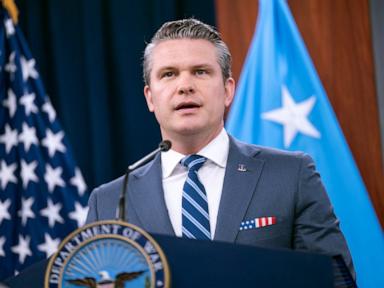
Defense Secretary Pete Hegseth has officially dismantled the long-standing mandate requiring all U.S. service members to receive the annual influenza vaccine. By shifting the shot from a requirement to an individual choice, the Pentagon is reversing decades of medical policy that treated viral prevention as a matter of collective unit readiness. This move fulfills a specific political promise to overhaul military medical autonomy, but it simultaneously forces a massive recalculation of how the Department of Defense (DoD) manages health risks in the ranks.
The change is effective immediately. It applies to all branches of the armed forces, marking the first time since the mid-20th century that the flu vaccine has not been a prerequisite for worldwide deployability.
Breaking the Readiness Doctrine
For over seventy years, the logic of the Pentagon was simple. A sick soldier is a non-deployable soldier. This philosophy viewed the individual body of a service member as a high-value government asset that required proactive maintenance. By mandating flu shots, leadership aimed to prevent "outbreak drag," where a single respiratory virus could sideline an entire platoon during a critical window of operations.
Hegseth’s directive fundamentally rejects this collectivist approach. Under the new guidelines, the military moves toward a "consent-based" model of preventative medicine. While the vaccine remains available and encouraged for those who want it, the threat of non-judicial punishment or administrative separation for refusing the jab is gone. This isn't just about a needle. It is a total pivot in how the Pentagon defines the relationship between the state and the soldier's physical autonomy.
Internal memos suggest the decision stems from a desire to address recruitment and retention struggles. The military has faced a grueling uphill climb to meet its numbers, and leadership believes that removing perceived "medical overreach" will appeal to a broader demographic of young Americans who are increasingly skeptical of institutional mandates.
The Operational Risk of a Voluntary Force
Epidemiologists within the Defense Health Agency (DHA) are already crunching the numbers on what happens when vaccination rates inevitably drop. In a closed environment like a barracks, a naval vessel, or a forward operating base, viruses move with lethal efficiency.
History provides a grim roadmap. During the 1918 Spanish Flu pandemic, more U.S. soldiers died from the virus than in combat. While modern strains of influenza are rarely that catastrophic, they still pack enough punch to impact "Man-Hour Availability."
Consider a hypothetical scenario on a Nimitz-class aircraft carrier. If 30 percent of the engineering crew refuses the vaccine and a virulent strain of H1N1 sweeps through the berthing areas, the ship’s ability to maintain its nuclear reactors or launch sorties is degraded. Unlike civilian offices, military units cannot simply "work from home." They operate in tight, recycled air environments where social distancing is a physical impossibility.
The risk isn't just the fever and the cough. It’s the secondary impact on the medical chain. When thousands of service members fall ill simultaneously, it clogs the military treatment facilities (MTFs), draining resources that should be reserved for trauma care or combat injuries. Hegseth is betting that the boost in morale and recruitment will outweigh the statistical certainty of increased sick days.
Data Skepticism and the New Medical Reality
A significant driver of this policy shift is the evolving debate over vaccine efficacy. Critics of the mandate have long pointed out that the flu shot is a "best guess" science. Every year, the World Health Organization and the CDC try to predict which strains will dominate. Some years, they hit the mark. Other years, the "mismatch" is so significant that the vaccine provides only 20 to 30 percent protection.
Opponents of the mandate argued that forcing soldiers to take a pharmaceutical product with such variable success rates was an unnecessary burden. They viewed the mandate as a performative exercise in compliance rather than a hard-nosed tactical necessity.
However, proponents of the old system argue that even 30 percent protection is better than zero when you are responsible for the defense of a nation. They point to the "herd effect." Even if the vaccine doesn't stop every infection, it often reduces the severity of the illness, keeping soldiers out of hospital beds and in the fight. By making the shot optional, the DoD is essentially accepting a higher "base rate" of viral transmission as the cost of doing business in a post-mandate era.
The Logistics of Opt-In Healthcare
The administrative burden of this change is enormous. For decades, the "Green to Gold" tracking systems in the military flagged any soldier who missed their window for a flu shot. It was a binary system: you were either compliant or you were red-flagged.
Now, commanders must navigate a gray zone. They can no longer order a subordinate to get the shot, but they are still responsible for the readiness of their unit. This creates a friction point. Will commanders subtly penalize those who opt out? Will "unvaccinated" status become a hushed factor in promotion boards or special school selections?
The Pentagon will have to issue clear guidance to prevent "soft mandates," where social pressure or leadership disapproval replaces official policy. Simultaneously, the DHA must figure out how to order vaccine supplies. When the shot was mandatory, they knew exactly how many doses to buy. Now, they are playing a guessing game. If they under-order, they face a shortage during a bad flu season. If they over-order, they waste millions of taxpayer dollars on expiring vials.
Rebuilding Trust Through Autonomy
At its core, this policy is an attempt to heal the rift caused by the COVID-19 vaccine mandates. The fallout from that era was toxic for military culture. Thousands of experienced troops were forced out, and the resulting lawsuits and bitterness created a PR nightmare for recruiters.
Hegseth’s move on the flu vaccine is a signal that the era of "Emergency Use" style pressure is over. The administration is signaling that it trusts service members to manage their own health. This trust-building exercise is intended to reposition the military as an institution that respects individual liberty, a move designed to win back the "warrior class" families who have grown wary of government mandates.
But trust is a two-way street. The military is also trusting that its members will still show up for duty even if they are feeling under the weather, or that they will take personal precautions to avoid infecting their teammates. It is a shift from institutional responsibility to individual accountability.
The Shadow of Future Pandemics
The most pressing question for analysts is how this policy survives a true crisis. A seasonal flu is manageable. But what happens if a more lethal respiratory virus emerges?
By stripping away the mandatory framework now, the DoD may find it difficult to re-establish those protocols in an emergency. Once the precedent for "optional" preventative medicine is set, bringing back requirements will meet fierce resistance from a force that has been told their medical choices are their own.
The Pentagon is currently reviewing other mandatory vaccinations, including those for Anthrax and Hepatitis. If the flu shot is the first domino, the entire medical readiness structure of the U.S. military could be dismantled within the next twenty-four months. This would represent the most significant shift in military personnel policy since the end of the draft.
We are entering an era of the "unfiltered" soldier. Without the shield of mandatory immunization, the biological readiness of the force will rely entirely on the personal choices of 1.3 million active-duty personnel. It is a massive experiment in libertarian military management.
Units should begin updating their contingency plans for localized outbreaks immediately. Commanders need to identify high-density living areas and improve ventilation systems to mitigate the transmission risks that the vaccine used to handle. The focus must shift from the needle to the environment. Clean air, better hygiene protocols, and realistic sick-leave policies are no longer "nice to haves"—they are now the primary line of defense against the seasonal degradation of the American fighting force.