The train rattled through the neon-drenched arteries of Hong Kong, its glass reflecting a dozen faces lit by the cold blue glow of smartphone screens. On one particular evening, thousands of thumbs scrolled in frantic unison, refreshing the same stubborn web page. They were looking for confirmation of a joy they had bought and paid for months ago. Instead, they found silence. Then, a statement. Post Malone was not coming. Not yet.
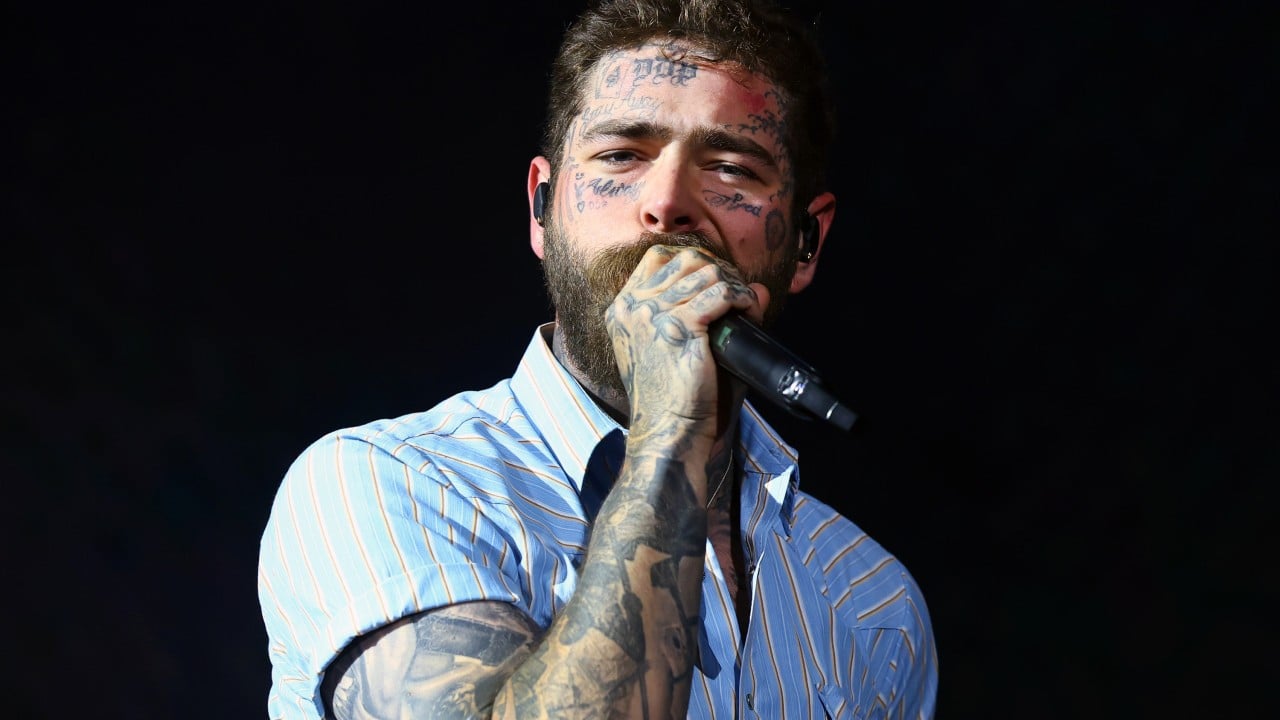
For months, the air in certain neighborhoods had smelled faintly of anticipation—the kind that only a massive stadium tour can manufacture. Posters of the genre-bending artist, recognizable by his sprawling facial tattoos and the soulful, melancholic warmth in his voice, hung plastered across transit hubs. Fans had rearranged work schedules, pooled savings, and secured flights across oceans. Tickets had vanished in minutes, swallowed by a digital hunger that defines modern live music. For an alternative look, read: this related article.
Then came the delay.
To understand the weight of that announcement, you have to look past the corporate press releases and the sterile tour updates. You have to look at Maya, a hypothetical college student standing in her cramped apartment, staring down at a pair of rectangular cardboard rectangles that suddenly felt less like golden tickets and more like heavy reminders of absence. Maya had saved for these seats by skipping lunches and working weekend shifts at a local bakery. For her, the concert wasn't just a night out. It was an escape valve from the grinding pressure of academic expectations, a rare night where she planned to scream her lungs out alongside forty thousand strangers who felt like old friends. Related coverage on this matter has been shared by E! News.
When a tour date shifts, the calendar changes, but human momentum shatters.
Concert delays are rarely administrative footnotes. They are localized earthquakes in the emotional lives of ordinary people. Logistics agencies measure these events in refunds processed and venue schedules rebooked. But the true ledger is kept in heartbeats. Consider the domino effect of a postponed arena show: hotel non-refundable deposits lost, airline change fees bleeding bank accounts dry, and the sudden, deflationary silence of an evening that was supposed to be electric.
In the immediate aftermath, the comment sections erupted. This is where the modern fandom lives and breathes, a digital colosseum where disappointment quickly hardens into frustration. Fans hurled complaints into the void, demanding answers, venting about poor communication, and questioning the sanctity of the ticket agreement. The grievance was valid. When you invest your hard-earned money and your emotional capital into an experience, you expect a reciprocal commitment from the artist and the machinery behind them.
Yet, beneath the wave of anger lay something more fragile: exhaustion.
Live music has returned from the dark years of global shutdowns with a ferocious, breakneck pace. Artists are pushed onto grueling global circuits that span continents in a matter of weeks, performing night after night under the crushing weight of high-definition cameras and unforgiving fan expectations. The machinery demands perfection, tireless endurance, and an endless well of charisma from human beings who, quite simply, break.
While the exact reasons for a tour adjustment are often veiled behind diplomatic phrases about unforeseen circumstances or scheduling conflicts, the underlying reality is rarely malicious. It is the friction between human limits and industrial scale. Post Malone has built his entire career on a foundation of raw, messy, unapologetic vulnerability. His songs—anthems of heartbreak, self-doubt, and late-night survival—resonate precisely because they sound like confessions whispered over a cheap drink at two in the morning.
How ironic, then, that the business surrounding him must sometimes function with cold, rigid detachment.
When a show is delayed, the bond is tested. Fans feel discarded, reduced to a demographic row on a spreadsheet. Promoters scramble to protect their bottom lines. And the artist retreats behind a wall of public relations handlers. The empathy evaporates on all sides.
Let us pause for a moment to consider what happens when we drop the armor of outrage. Imagine Maya again, sitting on her bed, scrolling past the angry tweets. She turns on her favorite album, letting the familiar rasp of the vocals wash over the quiet room. The disappointment doesn't vanish, but it shifts shape. It becomes part of the shared story of loving live art in a chaotic era.
Tour delays remind us that the magic of a concert is not an automated manufacturing line. It relies on the fragile, unpredictable biology of a living person standing on a stage, breathing the same air as the crowd. If the voice fails, or if the logistics of moving a massive production across international waters hits an insurmountable wall, the illusion of seamless perfection cracks.
And maybe that crack is where the truth lives.
The tickets sitting on Maya's desk are not worthless; they are merely dormant. The date on them is wrong, but the reason she bought them has not changed. She still needs that release. She still wants to stand shoulder-to-shoulder in the dark, watching a man in oversized clothes sing about his scars to thousands of people who are silently tracing their own.
Rescheduling a tour is a rupture in the social contract between creator and consumer. It demands patience that feels unearned and understanding that feels difficult to muster. But as the digital uproar slowly fades into the background noise of the city, something else takes its place. A quiet resolve.
The lights in the arena are dark tonight. The stage is bare, save for skeletal frames of scaffolding waiting for their cue. But outside, in the rain-slicked streets of Hong Kong, the anticipation hasn't died. It has only been asked to wait a little longer in the wings.