The coffee in the breakroom always tastes like cardboard, but you drink it anyway because it is 3:00 AM and the fluorescent lights are humming a tune that makes your skull ache. That is the texture of a graveyard shift. You sit, you stare at the monitor, and you wait for the world outside to do something predictable.
Then the radio clicks. A code. A location. Princeton Park.
For most people, a park at night is just a dark patch on a map. For a patrol officer, it is a void where logic goes to hide. You arrive, the blue lights painting the wet asphalt in rhythmic strokes of neon. You find him. He is not a statistic yet. He is a young man, an Indian national who crossed oceans because he believed in the promise of a horizon he could never quite touch from his hometown. Now, he is cold.
The paperwork will call it a homicide. The headlines will call it a tragedy. But sitting there, looking at the scuff marks on his shoes, you realize the hardest part of this job isn't the blood. It is the sudden, violent silence where a life used to be.
The Geography of Disruption
Every year, thousands of brilliant minds leave India with nothing but a suitcase full of clothes, some home-cooked snacks packed by an anxious mother, and a mountain of ambition. They are tech prodigies, engineers, analysts, and students. They fill the cubicles of Silicon Valley, the labs of Boston, and the corporate complexes of every major American city.
They are the backbone of a global knowledge economy. Yet, we rarely think about the vulnerability inherent in that journey.
When a person moves across the planet, they strip away their safety net. No childhood friends down the street. No uncles to call when the car breaks down. No deep roots in the local soil. They operate on a high-wire act of faith.
Consider what happens next when that wire is cut.
The shockwave doesn't stay in the park where the shell casings are collected. It travels at the speed of light across fiber-optic cables, under the Pacific Ocean, straight into a living room in Hyderabad or Delhi. A telephone rings in the middle of the Indian night. A mother answers. Her world ends. The distance amplifies the agony because she cannot simply drive over to identify the body. She is trapped behind a wall of bureaucracy, time zones, and unimaginable grief.
The Price of a Whisper
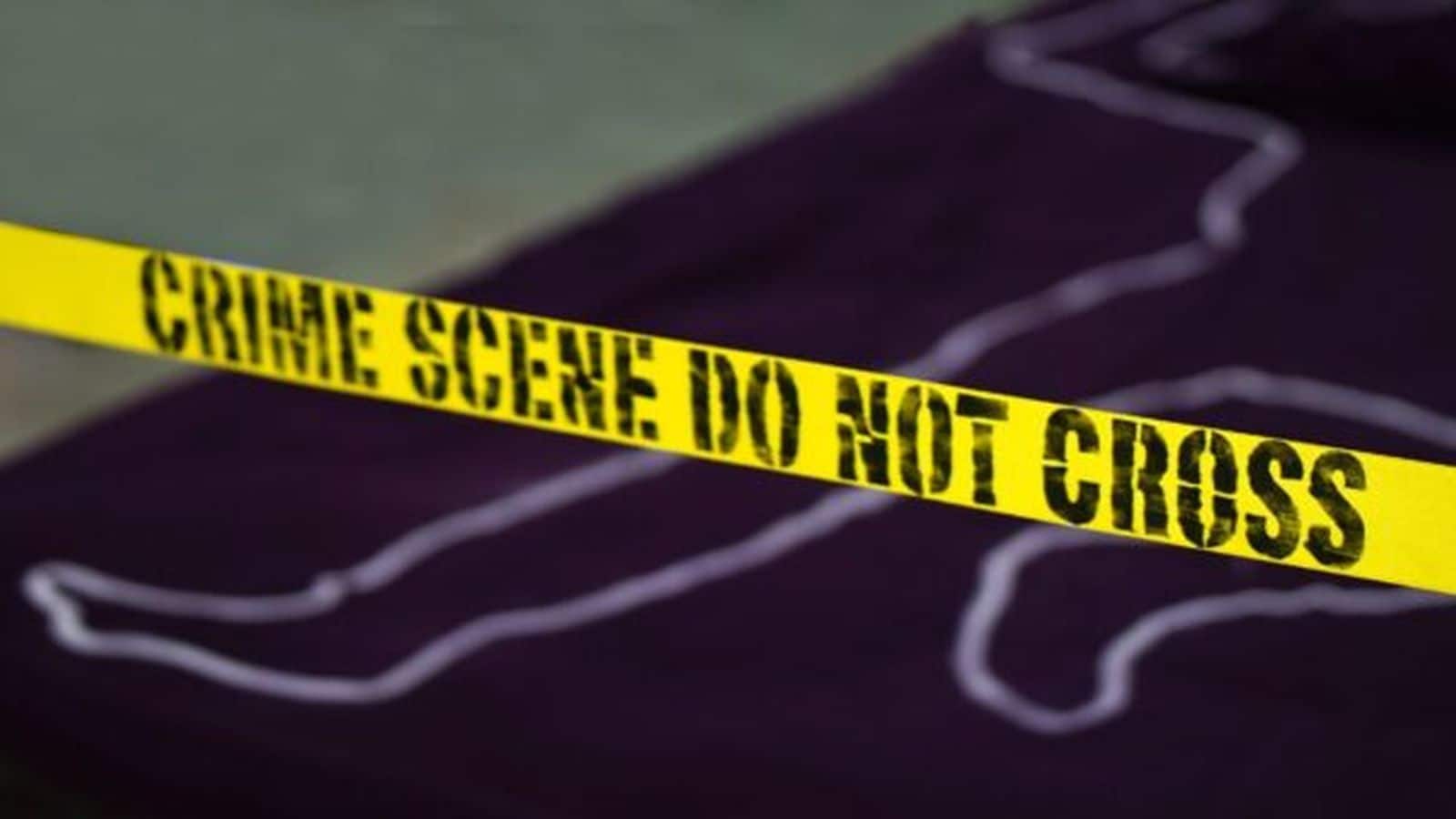
The detectives are frustrated. You can see it in the way they slam their car doors and chew their pens. In the immediate aftermath of a street level shooting, information is the only currency that matters. But the neighborhood is quiet. People look out their windows, see the yellow tape, and pull the blinds shut. Fear is a heavy blanket.
So, the city does the only thing it can think of to break the silence. They put a price tag on justice.
Twenty thousand dollars.
$$20,000$$
It sounds like a lot of money when you see it printed on a flyer next to a grainy photograph of a smiling young man. It is meant to entice a tipster, to ease the conscience of someone who saw a car speeding away or heard a heated argument before the shots rang out.
But look closer at that number. It is a strange, jarring metric. How do you calculate the cash value of a human life? Is a master's degree from an elite university worth more than twenty grand? Is the decades-long investment of a family who sacrificed their savings to pay international tuition fees covered by that check?
The reward money is not a measure of the victim's worth. It is a measure of our collective desperation. It is an admission that without a financial incentive, the truth might just stay buried under the autumn leaves in Princeton Park.
The Intuition of the Streets
People think police work is like the television shows, all high-tech forensics and dramatic confessions in dimly lit rooms. It isn't. Mostly, it is talking to people who do not want to talk to you. It is trying to understand the invisible patterns of a neighborhood.
If you spend enough time on the streets, you develop a second sense for tension. You know when a block is brewing for trouble. But for an outsider—someone who grew up in the relative safety of a middle-class Indian suburb—those signs are completely invisible.
Imagine walking home from a late shift at a convenience store or a tech startup. You are thinking about your code, or your rent, or the visa renewal paperwork that is sitting on your desk. You have your headphones in. You are listening to a podcast or a song from home.
You do not hear the footsteps behind you. You do not recognize the shifting body language of the two people standing on the corner. You do not know that this specific block has been a hotspot for armed robberies for the last three weeks.
Your innocence becomes your vulnerability.
This is the hidden tax paid by immigrants everywhere. They must learn not just a new language and a new job, but a whole new taxonomy of danger. And sometimes, the lesson comes too late.
The Ripple on the Surface
The days bleed into weeks. The yellow tape is taken down. Children play on the swings fifty yards from where the body was found. The local news cycle moves on to a political scandal or a winter storm warning.
But the case file stays open on a desk, growing thicker and less relevant by the day.
Inside the local Indian community, the reaction is a mix of terror and profound isolation. At the grocery stores where they buy lentils and spices, people whisper. They look over their shoulders in the parking lot. The dream of America, once so bright and glittering, starts to look a bit tarnished around the edges.
Parents back home start making frantic phone calls. Are you safe? Are you locking your doors? Is it time to come home?
The true tragedy of a crime like this is that it acts as a tax on aspiration. It tells every young person who wants to venture out into the world that the world is hostile, that boundaries are real, and that safety is an illusion. It shrinks the horizon.
What Remains in the Dark
The flyer with the twenty-thousand-dollar reward is still taped to the telephone pole near the park entrance. The rain has caused the ink to bleed, making the young man's face look blurry, as if he is slowly fading out of existence.
Someone will eventually call. Or they won't.
Maybe a jailhouse informant will trade a name for a reduced sentence. Maybe someone's conscience will finally snap under the weight of what they know. But even if the handcuffs click and the gavel falls, the math of justice remains broken. A conviction doesn't put a son back on an airplane. It doesn't fill the empty chair at the dinner table across the world.
The blue lights of the patrol car reflect off a puddle on the street, casting a flickering pattern on the underside of the tree canopy, a beautiful, haunting rhythm that goes on long after the sirens have gone silent.