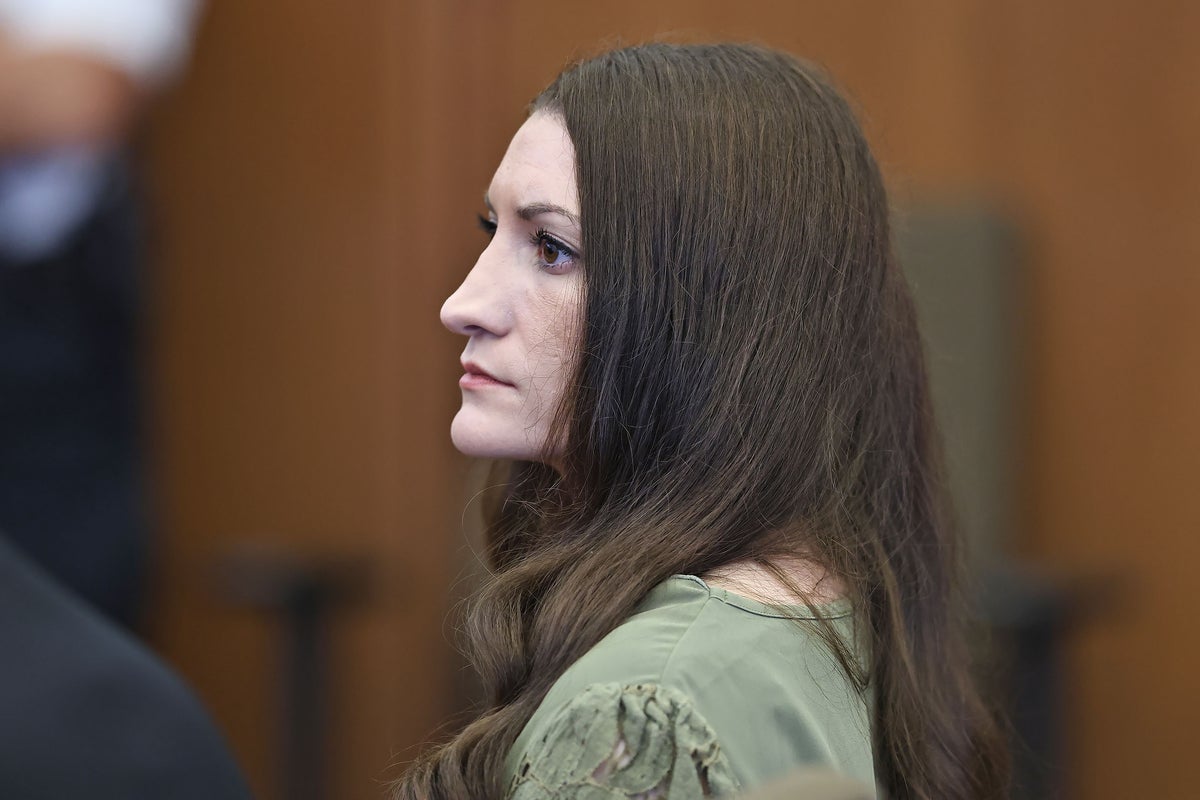
The courtroom air always smells faintly of old paper, floor wax, and the quiet, collective panic of people whose lives have been fractured. On that particular day, the atmosphere carried something heavier. It smelled like the final, desperate breath before a door slams shut forever.
Judge. Jury. Defense. Prosecution. These are the dry, mechanical nouns we use to describe a tragedy of human error and invisible suffering. But strip away the legal jargon, and you find a room full of people staring at an abyss.
A gavel hovered in the air. The judge was ready to drop it. A mistrial was moments away, a stroke of a pen that would wipe the slate clean, erase months of agonizing testimony, and force a shattered community back to square one.
Then came the Hail Mary.
In the high-stakes theater of American criminal law, a "Hail Mary" is not a prayer muttered in a pew. It is an eleventh-hour legal maneuver, a frantic, high-risk toss into the end zone when the clock is practically at zero and defeat is all but guaranteed. In the case surrounding Lindsay Clancy—the Duxbury mother whose unimaginable mental health crisis culminated in the deaths of her three children—the boundaries between medical reality, criminal culpability, and systemic failure have been probed to their absolute limits.
We watch these trials from the safety of our screens, treating them like true-crime podcasts designed to satisfy our morbid curiosity on a Tuesday evening. We debate postpartum psychosis over coffee. We throw around terms like diminished capacity as if they were pieces on a chessboard.
Stop.
Consider what happens when the mind breaks so completely that the person committing the act no longer inhabits the body doing it. This is the terrifying crux of the defense's argument, an argument that nearly died in a silent courtroom before a last-ditch legal strategy cracked the door open just wide enough to let the light back in.
To understand why a judge would pause on the precipice of a mistrial, you have to look past the transcripts. You have to look at the psychiatric records that read like horror stories written by doctors who tried to warn everyone, only to watch the system grind forward regardless. Postpartum psychiatric illness is not just sadness. It is not the "baby blues." It is a catastrophic neurological earthquake, a sudden, blinding psychosis that can distort reality into a funhouse mirror where murder feels like a merciful rescue from unseen monsters.
The defense team knew this. But knowing a truth and admissible courtroom evidence are two entirely different animals. They found themselves backed into a corner, staring down a potential mistrial that would not solve anything—it would only prolong the agony, forcing the families, the jurors, and the defendant to live in limbo for months longer.
So they threw the pass.
They introduced a last-minute evidentiary push, a desperate pivot designed to rescue their crumbling timeline and keep the jury from packing their bags. And remarkably, it worked. The judge, recognizing the immense gravity of walking away without a resolution, granted the extension. The cliffhanger remained suspended.
Why does this matter to us, sitting miles away in our quiet homes?
Because the Clancy case holds up a dark, uncomfortably clear mirror to how society handles the intersection of severe mental illness and the penal code. We have built an adversarial system that struggles to process nuance. When a mother experiencing profound, delusional psychosis destroys her family, our first instinct is to demand retribution. We want a villain because villains are easy to understand. Villains allow us to draw a neat line between them and us.
They are broken. We are safe.
Except the line does not exist.
Every year, thousands of new parents slip quietly into the terrifying shadows of perinatal mood and anxiety disorders. Most do not reach the catastrophic depths of psychosis. But a chillingly high number suffer in absolute silence, too ashamed to admit to their doctors, their partners, or themselves that their thoughts have turned dark and alien. They fear the ultimate judgment: that admitting they are drowning means they are unfit to breathe.
When we watch a trial like this unfold, we are looking at the extreme end of an unaddressed public health failure. The legal battle in that courtroom was not just about whether one specific woman goes to prison or a psychiatric facility. It was about whether our justice system can evolve past medieval notions of guilt and actually grapple with the modern science of the brain.
The judge’s hesitation was telling. It was the pause of a human being realizing that applying the letter of the law without accounting for the sickness of the mind is not justice at all. It is simply vengeance wearing a black robe.
As the legal teams regrouped, the tension in the room did not dissipate; it only sharpened. Every motion filed from that point forward carries the weight of a ghost story. The trial continues, not because the answers are easy, but because looking away would mean admitting that our safety nets failed long before anyone ever picked up a phone to call 911.
The gavel is resting on the mahogany desk again. For now. The jury waits. The families wait. And somewhere in the quiet spaces between prosecution exhibits and psychiatric testimony, the haunting question remains unanswered: How many warnings do we have to ignore before we finally decide to heal the broken places before they shatter?