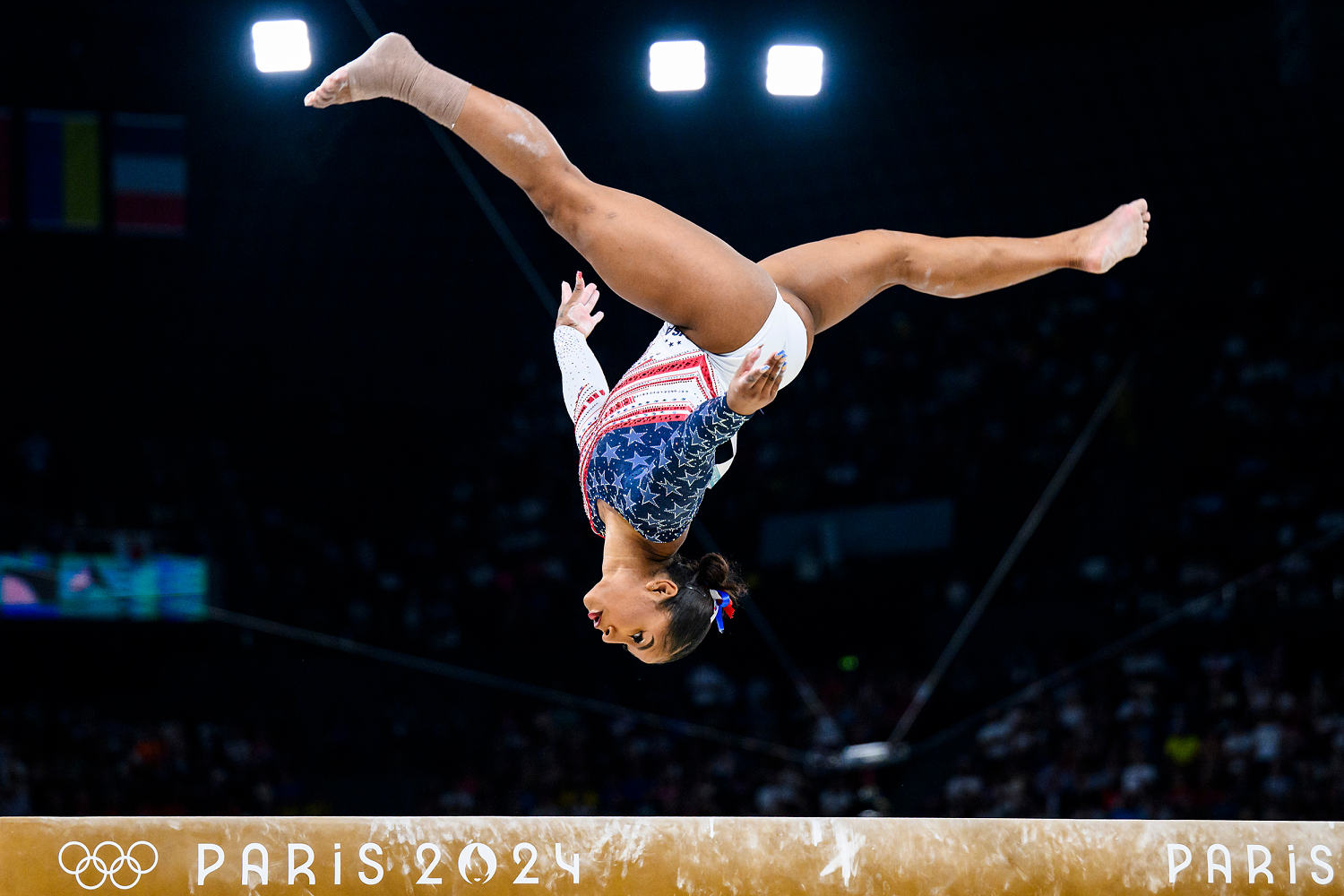
Elite athletic longevity is governed by a strict cost-benefit analysis where physical degradation must be offset by institutional support, financial incentives, and psychological motivation. When Jordan Chiles announced her intention to compete in the 2028 Summer Olympic Games in Los Angeles, media coverage largely focused on the novelty of a voiceover from Michael Jordan or the emotional resonance of a home-soil competition. Deconstructing this announcement through an analytical lens reveals a calculated career trajectory. At twenty-five years old, operating within an institutional environment like the UCLA gymnastics program, Chiles represents a structural shift in how elite gymnasts manage the aging curve, transition through collegiate athletics, and time their competitive peaks to maximize brand equity and athletic output.
The decision to target a third Olympic cycle requires examining the physiological and structural variables unique to modern gymnastics. Historically, women's gymnastics was characterized by an early-peak model where athletes retired in their late teens or early twenties due to cumulative impact injuries and strict amateurism rules. The advent of Name, Image, and Likeness monetization, combined with advanced sports science and individualized training loads, has altered this economic equation. Chiles competing at twenty-seven years old in Los Angeles aligns with the age profile demonstrated by successful veterans like Simone Biles in Paris. The primary constraint is no longer chronological age, but rather the management of joint degradation versus skill acquisition efficiency. By integrating her competitive training with an operational role as a student coach at UCLA, Chiles maintains access to elite-tier training facilities, biomechanical feedback, and institutional recovery protocols without absorbing the total financial overhead typically associated with independent elite training camps.
To understand the mechanics of this comeback, one must evaluate the structural pillars that support a multi-quadrennial career extension.
The first pillar is institutional integration. Training within a collegiate ecosystem provides a controlled competitive schedule and access to specialized coaching staffs. This mitigates burnout by diversifying the athlete's daily operational focus, splitting time between performance execution and tactical mentorship of younger collegiate athletes.
The second pillar is brand valuation and asset protection. High-profile athletes operating in domestic Olympic cycles benefit from localized media markets. The 2028 Los Angeles Games represent a localized concentration of corporate sponsorship dollars, media rights attention, and consumer engagement that dwarfs neutral-site competitions. By committing early, Chiles anchors her personal brand to the domestic narrative of Team USA, securing multi-year corporate partnerships well in advance of the selection trials.
The third pillar is legal and psychological closure. Elite performance is heavily influenced by cognitive load. The protracted dispute surrounding the floor exercise bronze medal from the 2024 Paris Olympics introduced external friction into her athletic workflow. Following the partial favorable ruling from the Swiss Federal Supreme Court, the clearing of legal ambiguities reduces cognitive drag. An athlete operating with resolved status regarding past accolades can redirect mental bandwidth toward routine optimization and difficulty score maximization.
Evaluating the competitive landscape for the United States women's gymnastics team reveals a broader trend of veteran retention. The concurrent announcements by multiple Olympic medalists, including Suni Lee and Jade Carey, indicate a collective shift away from the single-quadrennial model. This creates an internal selection environment characterized by high baseline difficulty and proven pressure-handling capabilities. For Team USA, a roster composed of seasoned veterans offers risk mitigation. Gymnasts who have navigated multiple Olympic villages possess predictable execution variance under high-stress conditions, a metric that national team coordinators heavily weight during selection camps.
The primary risk factor in this multi-year trajectory is the accumulation of chronic micro-trauma during the transition phases. Unlike sports with lower impact profiles, elite gymnastics demands continuous calibration of spatial awareness and landing absorption mechanics. The cost function of pursuing a 2028 appearance involves balancing high-tariff tumbling passes against the necessity of injury prevention. If training volume is managed incorrectly, the physiological toll will outweigh the benefits of institutional backing. The integration of extended rest periods, media diversification projects like her entertainment pursuits, and collegiate coaching duties functions as a natural load-management strategy, preventing overtraining syndrome while maintaining baseline conditioning.
Long-term athletic forecasting in gymnastics requires monitoring specific operational metrics over the next thirty-six months. Key indicators include the strategic upgrading of difficulty values on apparatus routines during domestic competition windows, the consistency of execution scores under international judging panels, and the successful navigation of national team verification camps. Athletes who bridge the gap between collegiate competition and elite international rulesets must continually adapt to the shifting Code of Points.
The strategic play for any elite competitor entering a home-market Olympic cycle is early alignment with domestic high-performance networks, aggressive management of personal brand equity during non-peak years, and strict adherence to load-management protocols that prioritize peak readiness over redundant competition exposure.