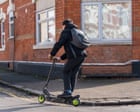
Nearly 500 children have turned up at three major English trauma centres with e-scooter injuries since 2019. Most of them were just 12 years old.
If you walk down almost any high street in England, you will spot kids zooming past on electric scooters. It looks harmless enough. Fun, even. But emergency departments are seeing a very different reality, and the numbers are hard to ignore. Recent data published in the Emergency Medicine Journal reveals a sharp spike in paediatric e-scooter injuries. The trend exposes a massive gap between public safety rules, retail availability, and what is actually happening on our pavements.
The Reality Behind the Trauma Centre Data
Look closely at the numbers and a stark picture emerges. Researchers examined emergency care records from major children's hospitals in Liverpool, Manchester, and Sheffield between January 2019 and December 2024. They found 477 young patients treated for e-scooter trauma. Back in 2019, fewer than 10 cases popped up annually. By 2024, that figure jumped to nearly 150.
Half of the injured children were between 10 and 13 years old. The youngest recorded patient was only nine.
These aren't teenagers testing legal rental limits. The legal age to use a government-backed rental e-scooter in the UK is 16, and riders need at least a provisional driving licence. Yet the children getting hurt are years away from that age bracket.
Private Scooters Versus Rental Schemes
The core of the problem comes down to ownership and the law. In the UK, riding a privately owned e-scooter on public roads, cycle lanes, or pavements is strictly illegal. You can only ride private scooters on private land with the landowner's permission.
Despite this, millions of private e-scooters are bought from high street retailers every year. Parents buy them as gifts, unaware or unconcerned about the legal restrictions.
The study highlights that 80 percent of the child injuries involved private e-scooters. Only a tiny fraction happened on private land. Kids are riding illegal machines in public spaces, and the infrastructure simply isn't built to keep novice riders safe.
The Head Injury Risk No One Talks About
Falls are responsible for roughly three-quarters of these incidents. Losing control on an uneven pavement or hitting a pothole throws the rider instantly. But collisions with cars and stationary objects account for nearly half of the most severe cases.
Lower and upper limb fractures are common, but the real danger lies in head and facial trauma. Nearly a quarter of the injuries recorded were head injuries. More than 10 percent of those head injuries were severe enough to require intensive medical imaging, hospital admission, or surgery.
Helmets could drastically reduce this risk, but nobody is wearing them. Documentation showed fewer than 2 percent of the injured children had a helmet on during the crash. While safety gear is recommended for legal rentals, it is not legally mandatory. For private owners, safety culture is virtually non-existent.
The Socioeconomic Divide
Another striking detail from the research is where these injured children live. Nearly three-quarters of the patients came from the most deprived areas in England.
Urban design plays a massive role here. Poorer neighbourhoods often lack safe green spaces, reliable public transport alternatives, or well-maintained cycle paths. When cheap personal transport is readily available online and in shops, families buy them out of necessity or convenience, unaware of the hidden physical and legal liabilities.
Insurance companies and legal experts are sounding alarms too. Because private e-scooters are classified as motor vehicles under the Road Traffic Act 1988, they technically require insurance. Yet no standard motor insurance product exists for them because riding them publicly is illegal. This leaves families exposed to massive financial and legal fallout if a child hits a pedestrian or damages property.
Practical Steps to Protect Young Riders
Fixing this crisis requires more than just telling kids to be careful. The current approach is failing.
Retailers need stricter guidelines at the point of sale. Selling a high-speed electric vehicle to someone who is legally prohibited from riding it on public roads creates an obvious hazard. Clear warning labels and mandatory safety equipment bundles at checkout should be standard practice.
Parents also need to drop the assumption that e-scooters are just high-tech toys. They are motor vehicles capable of reaching speeds up to 15 miles per hour or more. If you purchase a private e-scooter for a child, keep it strictly to private land, mandate a helmet every single time, and understand that public use invites serious legal and physical consequences.
Policy makers face an urgent choice. Leaving private e-scooters in a legal grey zone while hundreds of children end up in trauma wards is no longer sustainable. Clearer legislation, better public health campaigns, and real accountability from top to bottom are long overdue.