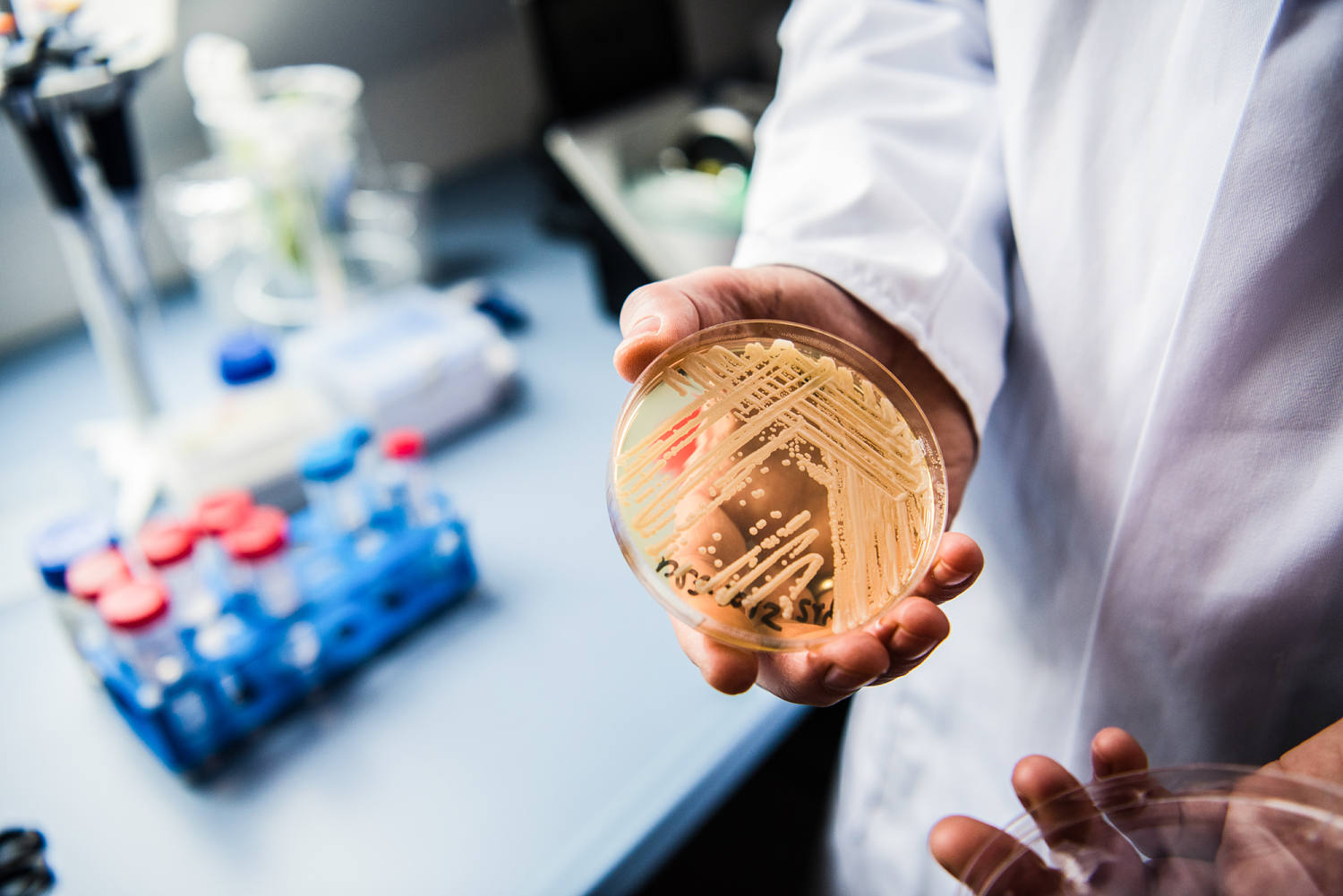
We've spent decades worrying about superbugs, but we've been looking at the wrong kingdom. While the world watched for antibiotic-resistant bacteria, a silent, predatory threat mutated in the shadows. Fungi—specifically a hyper-resilient yeast called Candida auris and a pervasive mold called Aspergillus—are spreading through the American healthcare system at a terrifying pace.
It's not a plot for a sci-fi show. It's a reality that doctors are dealing with in ICU wards right now. The Centers for Disease Control and Prevention (CDC) recently tracking showed that annual clinical cases of Candida auris in the US jumped to over 6,100 cases, up from just 51 back in 2016. If you factor in asymptomatic screening cases, the number balloons by tens of thousands more.
This isn't a problem you can cure with a standard prescription. We are running out of working medicine.
The Three-Drug Limit
The fundamental crisis of medical mycology is a numbers game. When you get a bacterial infection, doctors have dozens of antibiotic classes to choose from. If one fails, they rotate to another.
Fungal biology is much closer to human biology than bacteria is. Because our cells share similar structures, finding a chemical that kills a fungus without destroying human organs is incredibly difficult. We basically only have three main weapon classes to fight systemic fungal infections:
- Azoles: The common first line of defense (like fluconazole).
- Polyenes: Powerful but harsh drugs (like amphotericin B), often called "amphoterrible" by medical staff because of its brutal side effects on kidney function.
- Echinocandins: The newest, safest class, used when everything else breaks down.
Here's the problem. Fungi are learning how to defeat all three.
A massive CDC laboratory analysis revealed that over 95% of Candida auris samples tested were completely resistant to fluconazole. Even worse, resistance to our absolute last line of defense, echinocandins, is rising. When a fungus develops pan-resistance—meaning it shrugs off all three drug classes—doctors are left standing at the bedside with empty hands. The mortality rate for invasive C. auris bloodstream infections sits around 30% to 40%.
The Hospital Ghost That Won't Die
Most standard fungal infections don't spread person-to-person. If you get a typical yeast infection or athlete's foot, you didn't catch it from someone coughing on you. Candida auris completely rewrote the rulebook.
It behaves like a bacterial superbug. It colonizes the skin of patients without making them sick initially. They become walking factories, shedding microscopic fungal cells onto everything they touch.
It gets into the bed rails. It coats blood pressure cuffs. It clings to ventilators and IV poles. Standard hospital-grade disinfectants and quaternary ammonium compounds don't even blink at it. It can live on a plastic surface in an empty hospital room for weeks, waiting for the next vulnerable patient to occupy the bed.
The patients most at risk are the ones already fighting for their lives. If you are healthy, your immune system handles these fungi easily. But if you're in an ICU, hooked up to a ventilator, or reliant on a central venous catheter that pierces your skin directly into a major vein, you are a prime target. The fungus crawls down the plastic lines, enters the bloodstream, and begins to shut down organs.
The Secret Driver in Our Soil
Hospitals aren't the only breeding grounds. The rise of drug-resistant Aspergillus—a mold that causes severe lung infections—is happening because of how we grow our food.
Farmers across the globe use massive amounts of agricultural fungicides to protect crops like bananas, wheat, and grapes from rotting. These environmental fungicides are chemically almost identical to the azole drugs doctors prescribe to human patients.
When environmental molds are continuously blasted with low doses of industrial fungicides in agricultural fields, they mutate. The weak strains die. The strong, resistant spores catch the wind and drift into cities. When an oncology patient or an organ transplant recipient breathes in those mutated spores, the standard antifungal pills their doctor prescribes won't work. The mold was already vaccinated against our medicine before it ever entered the hospital.
Real Steps for Patients and Families
If you or a loved one faces a prolonged hospital stay, you can't just rely on the facility's cleaning crew to keep you safe. You need to take an active role.
Force Hand Hygiene
Don't be polite about this. Demand that every doctor, nurse, and visitor sanitizes their hands right in front of you before touching a patient or any medical machinery. "Did you wash your hands?" should be your standard greeting.
Ask for Specific Disinfectants
If a family member is in a long-term acute care hospital or ICU, ask the nursing supervisor if they use disinfectants specifically registered with the EPA to kill Candida auris (look for EPA List P). Standard wipes don't cut it.
Monitor Device Lifespans
The longer a central line, urinary catheter, or breathing tube stays inside a body, the higher the risk of a fungal biofilm forming on the plastic. Constantly ask the medical team if these invasive lines can be removed safely.
Demand Testing for Failing Treatments
If someone you love is being treated for a suspected infection and isn't getting better after 48 hours of antifungals, push the medical team to run susceptibility testing. Don't let them keep cycling through drugs that the fungus might already know how to beat. Every day wasted on an ineffective drug gives the pathogen time to multiply.