You can't just redraw a map and pretend centuries of history never happened. Yet, that is exactly what happened when U.S. President Donald Trump signed an executive order attempting to rename Lake Ontario as "Lake America" for U.S. federal agencies. Ontario Premier Doug Ford didn't hold back his thoughts on the stunt. He called the decision something straight out of Saturday Night Live.
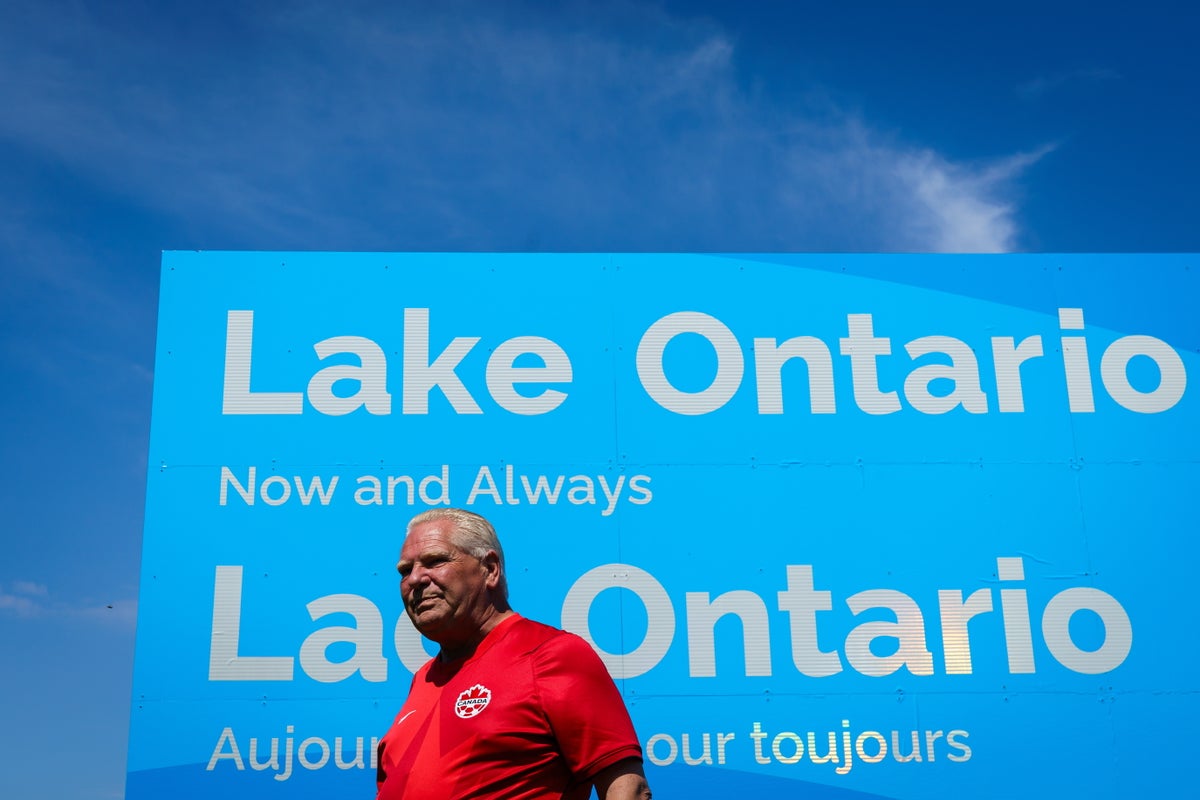
It sounds like political satire, but it is entirely real. Trade talks between the United States and Canada collapsed, tariffs escalated, and suddenly a massive body of water shared by two nations became the latest casualty of petty geopolitical theater. Ford's response wasn't diplomatic hand-wringing. He went straight to the shoreline, put on a Team Canada jersey, and unveiled a two-story-high billboard declaring Lake Ontario, Now and Always.
The Reality Behind the Executive Order
Trump's directive targets the Geographic Names Information System, which sets standard geographic designations for U.S. federal agencies. Following the stroke of a pen, Google Maps updated its platform for U.S. users to reflect the change to "Lake America".
People outside the United States and Canada see both names, while Canadians keep the original designation. But a tech corporation tweaking its user interface doesn't change reality on the ground.
Ford pointed out the sheer absurdity of the move during an appearance on ABC News. Nobody outside of Washington's bubble is going to call it Lake America. The lake has borne its name for hundreds of years. Long after current administrations pass into history books, the water will still carry its centuries-old title.
Ignoring Indigenous History
The absurdity goes beyond modern political posturing. It touches on an active erasure of heritage. The name Ontario originates from the Huron Indigenous phrase oniatarí:io, translating directly to "lake of shining waters".
Wendat Nation Grand Chief Pierre Picard publicly condemned the decree. He noted that attempting to wipe away ancestral names is an unacceptable attack on culture and identity. Canadian Prime Minister Mark Carney also rejected the maneuver, reminding critics that the original name predates both the Canadian Confederation and the American Declaration of Independence.
When politicians start messing with cartography to score cheap domestic points, they run headfirst into deep historical roots. You cannot legislate away an indigenous language with a stroke of an executive pen.
Escalating Trade Tensions and Cartographic Bullying
This stunt didn't happen in a vacuum. It follows a severe breakdown in cross-border negotiations and a flurry of aggressive tariff threats. Trump has a history of using maps as political props, previously floating concepts like the "Gulf of America" and repeatedly joking or threatening about making Canada the 51st state.
Canadians are tired of it. Manitoba Premier Wab Kinew compared Trump's tactics to an aging rock band playing old casino hits that nobody wants to hear anymore. Instead of sparking genuine fear or compliance, the naming decree triggered an avalanche of mockery across the northern border.
Ford and other provincial leaders realize that standing up to these tactics requires sharp public pushback. By erecting physical signs in local communities like Winona, Ontario is drawing a hard line. Sovereignty isn't just about military defense or trade deals. It is about refusing to humor childish administrative demands.
If you are tracking cross-border relations, keep your eyes on the upcoming economic measures and retaliatory tariffs set to roll out next month. Trade policies hurt economies, but absurd map changes show just how theatrical modern statecraft has become. Ford called it correctly. It belongs on late-night television, not in the executive records of a superpower.