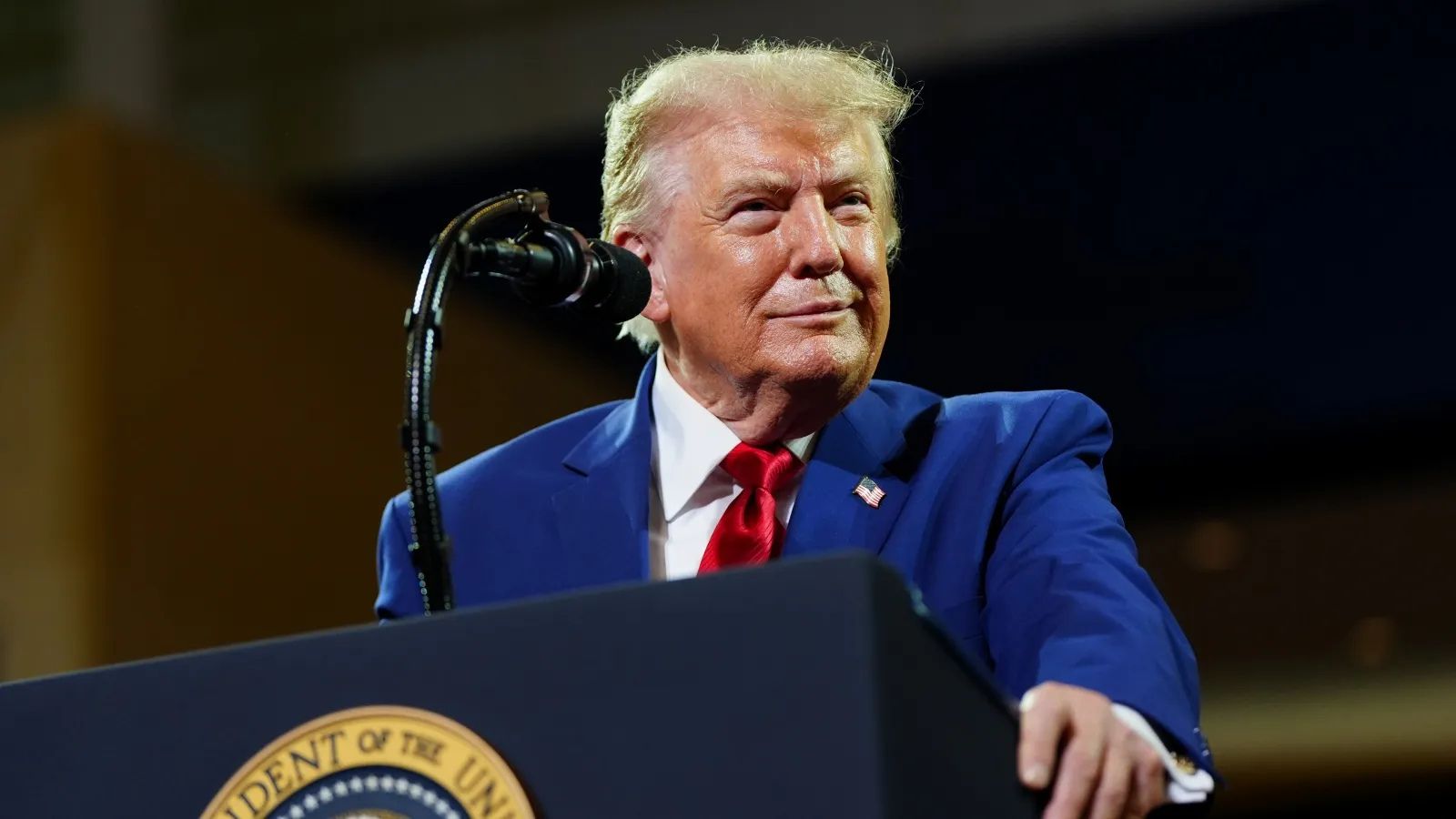
Diplomacy or total military escalation. Those are the two paths President Donald Trump recently laid out while describing Washington's current standing with Tehran.
The conflict, which kicked off in February and survived a brief Pakistani-brokered memorandum of understanding in June, has hit another volatile inflection point. Following skirmishes over commercial shipping lanes in the Strait of Hormuz and tit-for-tat strikes between US forces and Iranian assets, the White House finds itself weighing its next massive move.
Trump made it clear during an Oval Office briefing that the military option remains fully operational. But he also signaled that Iranian officials are finally treating negotiations with genuine urgency.
The Two Paths Forward
When pressed by reporters on how the administration plans to exit or escalate the ongoing hostilities, Trump broke down his strategy into two distinct choices.
The first option is maintaining or even dialing up the military campaign. Trump described this as the easier route operationally, involving a heavier dose of airstrikes designed to dismantle remaining infrastructure. The US military has already demonstrated its reach with recent operations targeting sites inside Iran following disruptions in the Persian Gulf.
The second option is forging a diplomatic deal. Trump explicitly labeled this the smarter strategy, even if it requires grueling back-and-forth communication. Despite earlier declaring previous ceasefires effectively dead, Washington has kept communication channels open at Tehran's request.
Administration heavyweights—including Vice President JD Vance, Secretary of State Marco Rubio, and diplomatic envoys—are actively navigating these parallel tracks. The core objective remains unchanged: preventing Iran from acquiring a nuclear weapon, a red line that Trump insists is non-negotiable.
Why Locked and Loaded Still Dictates the Pace
The phrase "locked and loaded" carries heavy operational weight in military contexts. It means weapons are armed, units are positioned, and the trigger is primed.
Trump has repeatedly leaned on this rhetoric. Earlier in the month, he used the exact same terminology to warn of standing orders involving thousands of missiles if Tehran attempted any form of retaliation or assassination plot.
By keeping that threat active, the administration hopes to extract maximum leverage at the negotiating table. Iranian Foreign Minister Abbas Araghchi has publicly rejected US pressure, stating that Tehran will not bow to coercion. Yet, behind closed doors, White House officials maintain that the economic and military squeeze is forcing Iranian counterparts to take talks far more seriously than they did earlier in the year.
Navigating Domestic Pressures and Regional Fallout
Time is not an infinite resource for either side. Republican strategists are privately sweating the political fallout of an extended conflict as the fall midterm elections approach. Unpopular foreign entanglements historically threaten congressional majorities, adding a layer of domestic urgency to the White House's calculations.
At the same time, regional proxies and retaliatory strikes mean that any miscalculation in the Strait of Hormuz could instantly shatter the fragile space currently reserved for diplomacy.
Trump insists he isn't rushing. Whether the ongoing talks blossom into a lasting framework or give way to the heavier military dose he warned about depends entirely on whether Tehran' പിረ-shift toward serious dialogue holds up under pressure. For now, the missiles stay ready while the talk continues.