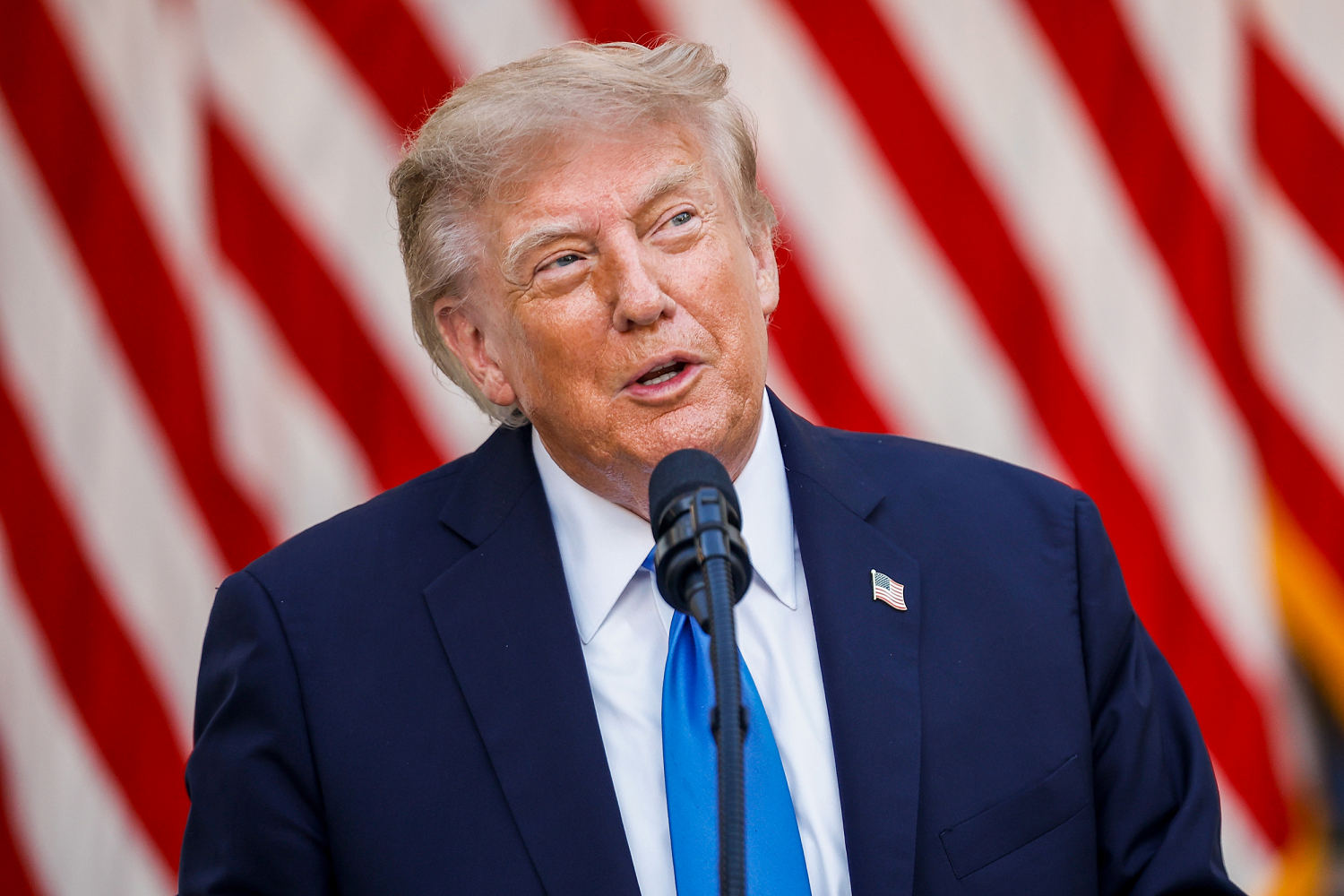
Presidents usually try to cement their legacy through sweeping legislation, foreign treaties, or landmark Supreme Court nominations. Donald Trump prefers concrete, steel, and gold leaf. If you walk through the federal capital right now, the physical imprint of his presidency is impossible to miss. He approaches the federal city less like a traditional politician and much more like the real estate developer he has always been.
Most coverage of political legacies focuses on vote counts and policy battles. That completely misses what actually drives him. Trump cares deeply about architecture, interior design, hardscaping, and exterior modifications. When traditional policy avenues stall or face bitter congressional gridlock, he pivots heavily toward the elements he can physically control. The result is a literal reshaping of Washington’s built environment that will outlast any temporary statute.
The Architecture of Self-Presentation
Look at the constant evolution of White House grounds and interior spaces. Overhaul projects, massive ballrooms, and signature design choices reflect a singular focus on monumental aesthetics. Critics view these choices as vanity projects, while supporters see them as long-overdue updates to aging federal infrastructure. Either way, the physical alterations speak volumes about how he views the office. He wants history to see his tenure not just in ink on parchment, but in massive, tangible alterations to the nation's most famous address.
This obsession with physical permanence goes beyond Pennsylvania Avenue. Real estate branding has always been his primary language. Stamping a name onto physical structures provides a permanent anchor in the public consciousness that abstract policy arguments simply cannot match.
Why Tangible Legacies Trump Policy Wins
Policy changes can be repealed by the next administration with the stroke of a pen. Physical architecture sticks around. When you alter the landscape, pave over historic gardens, or construct massive new federal pavilions, you force future generations to operate inside your literal footprint.
Washington is a city built on symbolism. By transforming its physical spaces, he bypasses the usual legislative checks and balances. You can argue about executive orders all day long, but you cannot easily ignore a newly constructed monument to presidential preference.
The strategy relies on a simple premise: people remember what they can touch and see. While commentators obsess over daily political chaos, the bricks and mortar are locking in a permanent aesthetic shift. History might judge the politics harshly or kindly, but the physical changes to the capital remain stubborn facts on the ground.
Stop looking exclusively at the legislative scoreboard. The real story of modern presidential power is written in drywall, gold trim, and hardscape.
What's driving Trump's push to leave his mark on Washington
This video explores the motivations behind the administration's heavy focus on architecture, design, and physical legacy projects within the nation's capital.