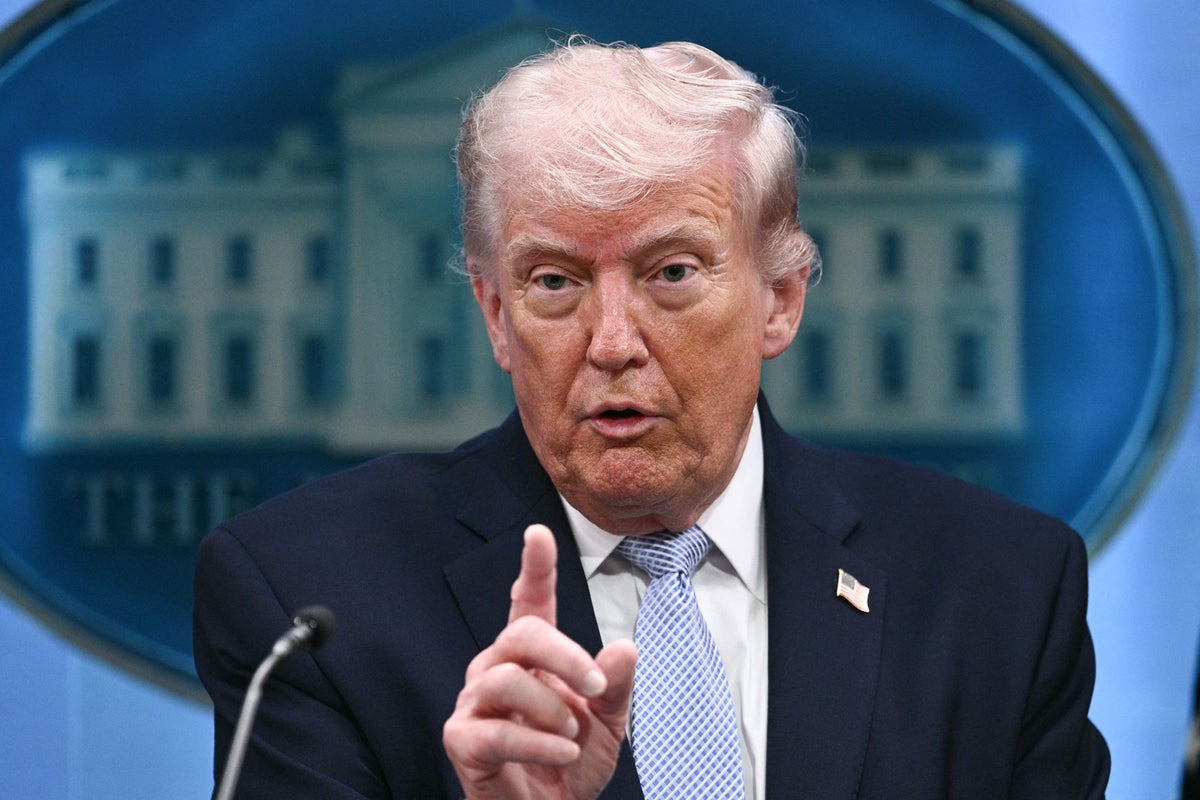
Donald Trump just set social media on fire again. In an early morning Truth Social post, he claimed the U.S. military has begun "clearing out" the Strait of Hormuz. For anyone following the global energy crisis, this isn't just another rant. It’s a massive signal about the state of a conflict that’s been strangling the world’s oil supply for months.
You’ve probably seen the headlines. Gas prices are vertical. Shipping insurance is non-existent. The "chokepoint of the world" has been a literal war zone since late February. Trump says the "clearing" is happening now and that Iran’s ability to block the water is effectively gone.
The claim that changed the morning
According to the post, the U.S. military has supposedly sunk "all 28" of Iran’s mine-laying boats. Trump didn't stop there. He claimed American forces have essentially dismantled the Iranian Navy and Air Force. If you're looking for the direct answer to "is the strait open?"—Trump says it is, or at least it will be "automatically" once his 10-point peace deal holds.
But here’s the reality on the water. U.S. Central Command (CENTCOM) confirmed that the USS Frank Peterson and USS Michael Murphy transited the strait on April 11, 2026. They aren't just cruising; they're "setting conditions" to clear sea mines laid by the Islamic Revolutionary Guard Corps.
Why you should care about a few ships in a far away gulf
If you think this is just Middle East drama, look at your last receipt from the gas station. About 20% of the world's oil and gas flows through this narrow strip of water between Iran and Oman. When Iran threatened to turn it into a "toll booth" or a minefield, the global economy hit a wall.
- The Energy Spike: Prices didn't just go up; they exploded because 2,000 ships were stuck in the Persian Gulf, unable to leave.
- The Seafarer Crisis: Around 20,000 sailors have been sitting ducks on those stranded vessels for over a month.
- The Insurance Nightmare: Most commercial shippers won't move an inch without a naval escort because "ceasefire" sounds a lot like "trap" in a war zone.
Trump’s strategy is classic: maximum pressure combined with a "big money" incentive. He’s telling Iran that if they want the bombing to stop and the cash to flow, the "traffic buildup" has to go. He’s even calling on countries like China, Japan, and the UK to send their own warships to help. It's basically a "you use it, you help defend it" policy.
What's actually happening vs. the rhetoric
Don't get it twisted. While Trump says the navy is "lying at the bottom of the sea," Admiral Brad Cooper is being more measured. The military is establishing a "safe passage" to share with the maritime industry. That's a fancy way of saying they're carving out a narrow lane that they know is free of explosives.
The Iranian side isn't exactly rolling over either. Their Foreign Minister, Abbas Araghchi, claims the water is their territory. They've floated the idea of charging ships for passage. Trump’s response? "We’re not going to let that happen."
The 99 percent priority
Trump mentioned that 99% of any deal is ensuring Iran has no nuclear weapons. If that happens, he says the strait opens "automatically." It sounds simple when he says it, but the logistics of clearing thousands of square miles of water from hidden mines is a nightmare.
You'll hear "ceasefire" a lot this week. There’s a shaky two-week truce in place, but it hasn't turned the lights back on yet. Shipping operators are terrified. They don't move on Tweets; they move on clearance from the International Maritime Organization (IMO) and actual physical security.
Your next steps to watch this play out
- Watch the "Toll" Narrative: If Iran tries to enforce a fee for ships passing through, expect the "clearing" operations to turn back into active combat.
- Monitor the USS Frank Peterson: This ship's movement is the real barometer. If it stays in the strait without being targeted, commercial tankers will start following within 48 to 72 hours.
- Check Oil Futures: Market traders are betting on whether Trump’s "clearing" claim is a bluff. If prices drop 5-10% tomorrow, the market believes him.
The situation is incredibly volatile. One rogue mine or one "misunderstood" order from a shore battery could end the ceasefire before the ink is dry. Trump is betting the house on a show of force that makes the Iranian navy irrelevant. We'll know by Monday if the world's tankers are brave enough to test his theory.



