The sirens start long before the motorcades arrive. Every September, New York City transforms into a high-security maze of concrete barriers, flashing blue lights, and shifting political alliances. The United Nations General Assembly brings the world to First Avenue, but it also brings the world’s deepest fractures straight to the doorsteps of everyday New Yorkers.
This year, the friction is different. It is personal, local, and volatile.
A heavy silence hung over the briefing room as the proposal was voiced. It was not a standard bureaucratic request or a routine call for a protest permit. Instead, it was a direct challenge to the unwritten rules of international diplomacy. The demand was straightforward yet explosive: arrest the visiting prime minister.
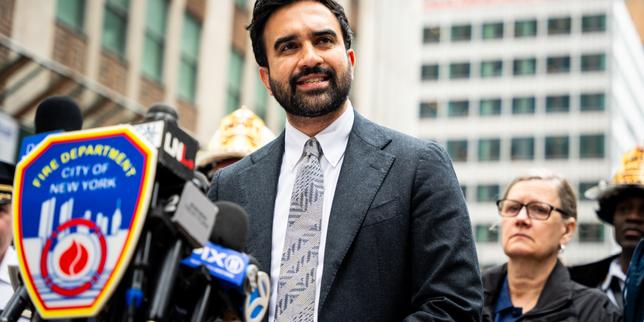
When Zohran Mamdani stepped forward with the demand to detain Benjamin Netanyahu upon his arrival in the city, the shockwaves rippled far beyond City Hall. The move forced a uncomfortable question into the open. What happens when international justice demands an arrest, but global diplomacy demands immunity?
The Concrete Border of First Avenue
Imagine standing at the corner of 42nd Street and Second Avenue. The air smells of roasted coffee, exhaust fumes, and the damp asphalt of a late summer morning. A block away, behind steel barricades and armed guards, sits a patch of land that technically belongs to no single nation. It is international territory. Inside those walls, leaders speak with absolute legal protection.
Outside those walls, the rules of the city apply.
For the average commuter, the annual assembly is an administrative headache. It means delayed trains, blocked crosswalks, and delivery trucks stuck in endless gridlock. But for the political factions vying for the soul of the city, the event is a pressure cooker. The presence of foreign leaders accused of international crimes turns the local police force into an unwilling shield.
The friction centers on a profound legal contradiction. The International Criminal Court issues warrants, yet the machinery of American diplomacy operates on the principle of diplomatic immunity. When these two forces collide on the gridlocked streets of Manhattan, the result is a political standoff that no traffic map can navigate.
The Local Pulse of a Global Fight
Public office in New York is rarely just about fixing potholes or managing school budgets. The city is a mosaic of diasporas, each carrying the memories, grief, and hopes of their homelands. When a local leader takes a stand on international affairs, they are not just looking at global maps. They are looking at their neighbors.
Consider the reality of a modern metropolitan representative. They spend their mornings listening to tenants complain about rising rents and broken boilers. By afternoon, they are confronted with constituents whose families are caught in the crossfire of overseas conflicts. The boundary between local governance and international activism dissolves entirely.
The call to enforce international warrants on American soil is a calculated gamble. It forces everyday citizens to confront the reality of their city's role on the global stage. New York is not just a backdrop for international relations. It is the stage itself. The streets become the courtroom, and the public becomes the jury.
The Invisible Rules of the Game
Diplomacy relies on a fragile illusion. It requires adversaries to sit in the same room, share the same air, and speak under the assumption that they will not be harmed or detained. This system was designed to prevent endless cycles of retaliation. It ensures that communication channels remain open, even during the darkest moments of human history.
But the crowd outside the gates sees a different reality. To the protester holding a sign in the rain, immunity looks a lot like impunity. The legal arguments about jurisdiction and diplomatic protocols feel distant, cold, and entirely disconnected from the human suffering broadcast on their phone screens every night.
The debate is not merely academic. It exposes a deep generational divide in how political power is understood and exercised. One side views the traditional rules of diplomacy as essential safeguards against chaos. The other side views those same rules as an archaic shield used by the powerful to evade accountability.
The Echo in the Streets
As the dates of the assembly draw closer, the tension in the city grows palpable. The police department coordinates with federal agencies, mapping out escape routes and secure zones. Helicopters thrum overhead, a constant reminder of the invisible borders dividing the city.
The demand for an arrest will likely remain a symbolic gesture, blocked by the massive weight of federal law and international precedent. Yet, the symbolism carries its own weight. It shifts the conversation. It forces people to look past the sterile language of diplomatic communiqués and face the raw emotion of the communities living just blocks away from the assembly halls.
The motorcades will eventually leave. The barricades will be packed into the backs of flatbed trucks, and the streets will belong to the yellow cabs and the commuters once again. But the questions raised during those chaotic weeks will linger in the city air, long after the sirens fall silent.