The machinery of medical misinformation has found a new fuel source in the recent uptick of hantavirus cases. While the virus itself remains a rare, localized threat primarily transmitted through rodent droppings, the narrative surrounding it has been hijacked by the same digital infrastructure that fueled pandemic-era chaos. This isn't a coincidence. It is a calculated reuse of a proven engagement model. By stripping away the biological reality of how hantavirus spreads—which is significantly harder to contract than a respiratory virus—bad actors are successfully grafting old fears onto a new pathogen.
The Anatomy of a Forced Narrative
The current surge in hantavirus anxiety isn't blooming in a vacuum. It is being cultivated. To understand the speed at which these rumors travel, one must look at the specific tactics being deployed across social platforms. The strategy relies on context stripping. A genuine report of a hantavirus death in a rural area is stripped of its geographical and environmental context. It is then re-packaged as "the next lockdown trigger." For an alternative perspective, check out: this related article.
This process ignores the fundamental virology. Hantavirus Pulmonary Syndrome (HPS) is a severe, sometimes fatal, respiratory disease in humans caused by infection with hantaviruses. However, humans are infected through contact with hantavirus-infected rodents or their urine and droppings. Human-to-human transmission is practically non-existent in the strains found in North America. By ignoring this, influencers can paint a picture of an impending, airborne global crisis that simply does not align with the science of the virus.
The Viral Pipeline
The pipeline usually begins on fringe message boards or encrypted chat groups. Here, a "seed" post is created. This post typically contains a grain of truth—a local news link about a rodent problem in a warehouse, for example—surrounded by layers of speculation. Once the seed takes root, it is pushed to mainstream platforms by mid-tier accounts that specialize in "alternative" news. Related reporting on this matter has been shared by Mayo Clinic.
These accounts use specific triggers. They mention "the authorities," "secret protocols," and "what they aren't telling you." These phrases act as magnets for individuals already conditioned to distrust institutional health advice. The goal is not to inform. The goal is to sustain a state of permanent alert, which translates directly into follower counts and ad revenue for the creators.
Why Hantavirus is the Perfect Target
Hantavirus is a terrifying prospect on paper. It has a high mortality rate, often cited around 38 percent. To a sensationalist, that number is gold. It provides the necessary shock value to stop someone from scrolling. But the reality is that the number of cases is incredibly low. In the United States, we typically see fewer than 30 to 50 cases a year.
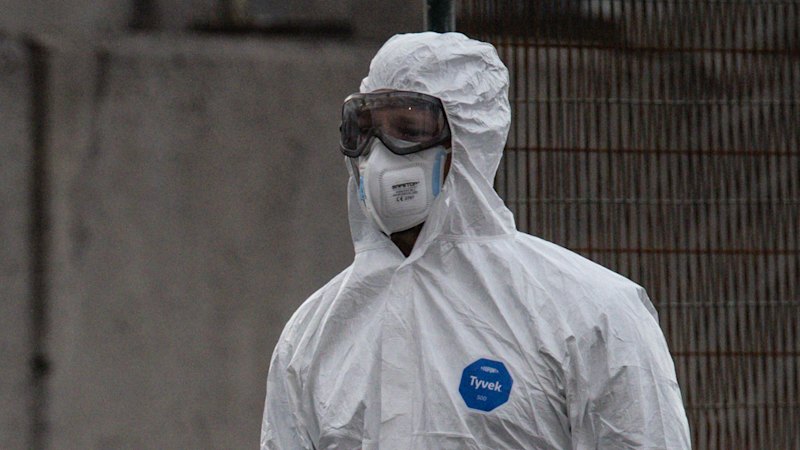
The scarcity of the disease actually helps the misinformation peddlers. Because most people have never seen a case of hantavirus and don't know the symptoms, they have no baseline for reality. This creates a vacuum. Into this vacuum, bad actors pour a mixture of half-truths and recycled COVID-19 imagery. They use pictures of empty hospital wards or hazmat suits from five years ago to imply that the same cycle is starting again.
The Profit Motive of Panic
Follow the money and the mystery usually evaporates. The "health influencers" sounding the loudest alarms about hantavirus are frequently the same ones selling "emergency preparedness kits," unproven supplements, or "detox" protocols. They create the problem and the solution in the same breath.
This is the monetization of anxiety. By convincing a subset of the population that a new, deadlier pandemic is being covered up, they create a captive market for their products. This isn't just about skepticism; it's a vertical business model that requires a constant stream of high-stakes threats to remain viable.
The Algorithmic Blind Spot
Modern social media algorithms are built for speed and engagement, not for medical accuracy. When a hantavirus post starts to trend because of its high "shock" value, the algorithm pushes it to more people. It doesn't check if the post is conflating a rare zoonotic disease with a highly contagious respiratory virus. It only sees that people are clicking, commenting, and sharing.
This creates a feedback loop. The more people engage with the misinformation, the more the platform treats it as "important" content. This forces legitimate health organizations into a defensive crouch. They find themselves spending their limited resources debunking 15-second video clips rather than educating the public on actual prevention measures, like how to safely clean a rodent-infested shed.
The Real Risks We Are Ignoring
While the internet frets over a fictional hantavirus pandemic, the real risks of the virus go under-discussed. The danger is specific. It is the person cleaning out a long-abandoned cabin or a camper sleeping in an infested shelter. These people need concrete, boring, and highly effective safety information.
Proper prevention involves using a solution of bleach and water, wearing gloves, and ensuring areas are well-ventilated before cleaning. It isn't exciting. It doesn't go viral. But it saves lives. When the digital space is flooded with noise about government conspiracies, the vital instructions on how to use a 10 percent bleach solution get buried.
Breaking the Cycle of Reused Tactics
Recognizing the pattern is the only way to stop the spread of this digital contagion. We are seeing a "template" of disinformation. This template is modular; you can swap out "COVID-19" for "Hantavirus" or "Bird Flu" or "Monkeypox," and the rest of the narrative remains the same.
The tell-tale signs are always there. Look for the lack of specific locations. Look for the absence of quotes from actual treating physicians in the affected areas. Look for the inevitable link to a storefront or a "donation" page. Most importantly, look at the transmission method. If a post claims a disease is spreading in a way that contradicts its known biology—such as claiming hantavirus is being spread through city subways—it is a fabrication.
The digital architecture that allowed pandemic misinformation to thrive hasn't been dismantled. It has simply been mothballed, waiting for the next opportunity. Hantavirus, with its high lethality and low public familiarity, was an easy choice for a reboot. To combat it, the response shouldn't be more panic, but a cold, clinical examination of the actors behind the screen.
The threat is not a new plague. The threat is the old one we never bothered to cure.