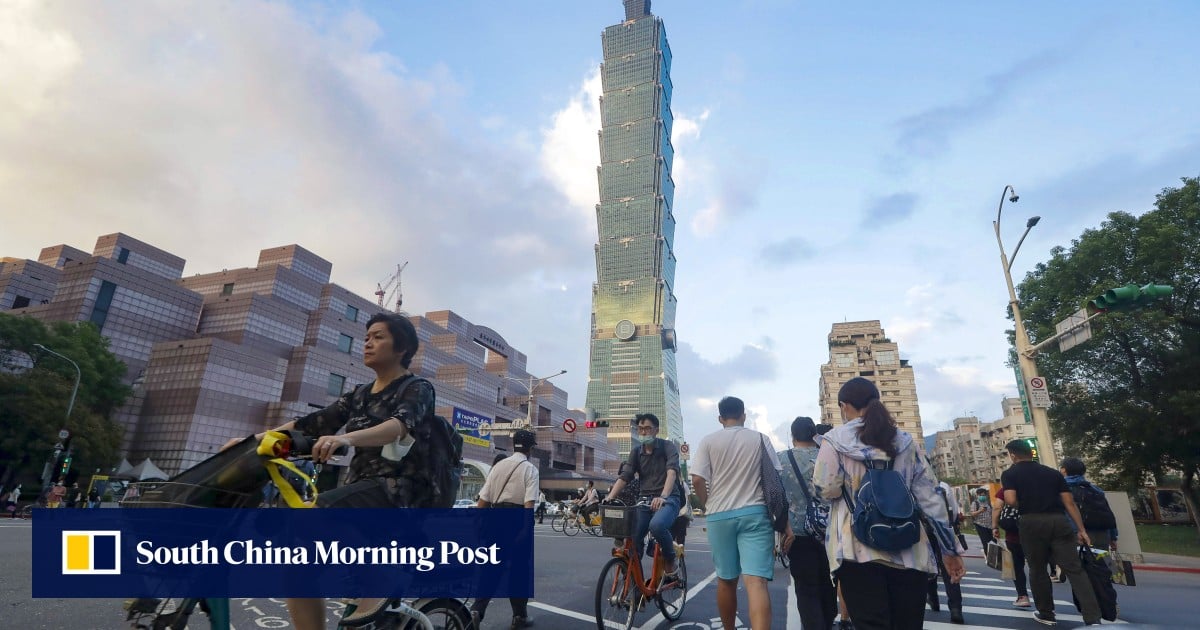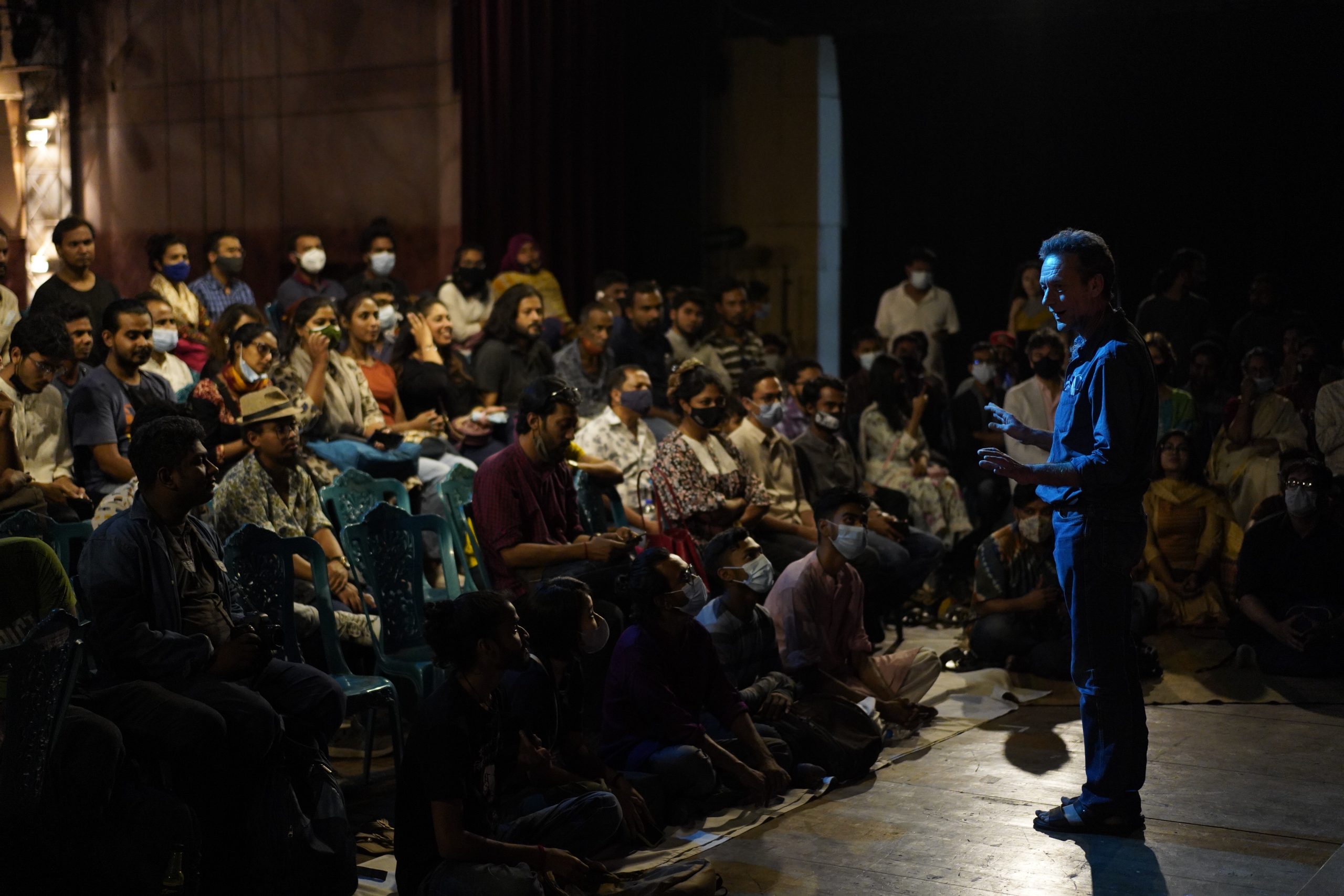
Dhaka is a city that never stops, mostly because it's stuck in traffic. If you’ve ever sat in a rickshaw near Farmgate while the tropical sun turns the air into a thick, humid soup, you know exactly what I’m talking about. It’s a place where the futuristic dreams of a "Smart Bangladesh" collide head-on with the gritty, exhaust-choked reality of a 19th-century infrastructure. This isn't just a city; it’s a living contradiction that tells the story of a nation trying to outrun its own shadow.
The 2024 elections were supposed to be a turning point, but for many, they felt like a foregone conclusion. Now in 2026, the dust has settled on the political front, yet the underlying tension remains. You can feel it in the tea stalls of Dhanmondi and the crowded markets of Puran Dhaka. People aren't just talking about who’s in power anymore; they're talking about whether the system itself can actually deliver on the promises made during the heat of the July uprising.
The Gridlock of Progress
Traffic in Dhaka isn't just an inconvenience. It’s a systemic failure that costs the country roughly $11.4 billion every year. That’s not a typo. When you spend three hours moving three kilometers, you aren't just losing time; you're watching the nation’s GDP evaporate in real-time.
Despite the shiny new metro rail and the elevated expressways that snake above the chaos, the ground level remains a disaster. The paradox is staggering. We build multi-billion dollar bridges while 80% of the road space is hogged by just 5% of the vehicles—mostly private cars carrying one or two people.
- The Metro Rail Effect: It’s been a lifesaver for those commuting from Uttara to Motijheel, but it’s a drop in the bucket for a city of 20 million.
- The Rickshaw Dilemma: They’re the soul of the city, yet planners treat them like the enemy. You can't just ban them without providing a functional bus system first.
- The Pedestrian Nightmare: Footpaths are either non-existent or occupied by vendors, forcing millions to risk their lives walking among speeding buses.
Honestly, the traffic is a metaphor for the country's politics. There’s a lot of movement, a lot of noise, and a lot of expensive "solutions" being built, but for the average person on the street, the daily grind hasn't actually changed much.
A Society of Contradictions
Bangladesh is a young country. Over 30% of the population is between 15 and 29. These kids don't remember the 1971 war as a lived experience, but they carry the weight of its legacy every day. They are tech-savvy, globally connected, and tired of the old-school patronage politics that has defined the nation for decades.
The contradiction lies in the values. On one hand, you have a youth-led movement that demands secularism, transparency, and democratic reforms. On the other, there's a growing influence of religious conservatism that views these Western-style "liberal" values with suspicion. University students are caught in the middle. They want the freedom of the digital age but live in a society where expressing the "wrong" opinion can still get you in serious trouble.
The 2024 poll was a wake-up call. With a turnout officially pegged at 41.8%—though many locals will tell you it felt much lower in urban centers—the message was clear: a huge chunk of the population has checked out of the formal political process. They don't see themselves represented in the "zero-sum" battle between the major parties.
The Patronage Trap
In Dhaka, it’s often about who you know, not what you know. Whether it’s getting a government job or a trade license, the "mama-bhagne" (uncle-nephew) culture of patronage is the real law of the land. This is the "criminal politics" that experts like those at the World Bank have been warning about for years. It distorts the economy and makes a mockery of meritocracy.
The July Charter, drafted after the massive student protests, promised to break this cycle. It talked about term limits for prime ministers and making the judiciary truly independent. But as we move through 2026, the implementation feels slow. Power is a hard thing to give up. The National Party and its allies are in a position of strength, but they’re also facing the same old temptations to reward their loyalists at the expense of systemic reform.
Why You Should Care
You might think Dhaka’s mess is just a local problem. It isn't. Bangladesh is the world's second-largest garment exporter. If Dhaka stops moving, the global supply chain feels the pinch. More importantly, this city is a laboratory for the future of the Global South. If we can solve the problems of hyper-density, climate vulnerability, and political polarization here, we can solve them anywhere.
The aspirations of the average Dhakaiya are simple: a job that pays a living wage, a commute that doesn't take half the day, and a government that listens. We don't need more "holistic" strategies or "synergistic" frameworks. We need working traffic lights, transparent elections, and an end to the culture of fear.
What Happens Next
The "July 2024" generation isn't going away. They’ve tasted the power of collective action, and they’re watching the current administration like hawks. If the reforms promised in the July Charter don't materialize, expect the streets to fill up again.
If you're looking to understand where the country is headed, don't look at the official press releases. Look at the comments sections on TikTok and the discussions in the "tong" (roadside tea stalls). That’s where the real politics of Bangladesh is happening.
Start by supporting local civic tech initiatives that track government spending or traffic data. Real change in Dhaka won't come from a top-down decree; it’ll come from the bottom-up pressure of people who are simply tired of being stuck in the mud. Move beyond the headlines and look at the actual data on municipal spending—that's where the next battle for Dhaka's soul will be fought.