The room smelled of melted plastic and stale coffee.
At two in the morning, the only sound was the rhythmic, mechanical chirp of a stepper motor guiding a heated brass nozzle across a glass bed. Layer by microscopic layer, spool by thermoplastic spool, an object was coming into existence. To anyone standing outside that Edmonton basement window, it looked like harmless tinkering. Just another hobbyist printing miniature figurines, brackets, or replacement knobs.
It was not a toy.
The file loaded onto the SD card carried a design that bypassed federal background checks, serial numbers, and waiting periods. It was downloaded from a decentralized network of anonymous creators who viewed firearms manufacturing as an open-source software project. In their eyes, code was speech. To the Canadian justice system, code was contraband.
And that gap—between the digital abstraction of a download and the cold, unyielding reality of a courtroom—is where a three-year prison sentence begins.
We live in an era where the boundary between hardware and software has dissolved. For decades, the barrier to creating a lethal weapon required heavy machinery, specialized metallurgical knowledge, and access to commercial-grade tooling. A lathe, a milling machine, a foundry—these were things of factories and armories. They left paper trails. They required capital. They were heavily guarded.
Then came additive manufacturing.
Suddenly, high-density polymers could replace stamped steel in critical stress areas. Online repositories began hosting digital blueprints for lower receivers and frame components that could be finished at home with a handheld rotary tool and a drill press. To a young man sitting behind a monitor in Alberta, the digital frontier felt lawless and boundless. It offered a dangerous illusion of sovereignty. You could sit in your pajamas, click a button, and watch an object materialize that changed your legal status from citizen to felon in forty-eight hours.
The illusion shatters quickly when the door caves in.
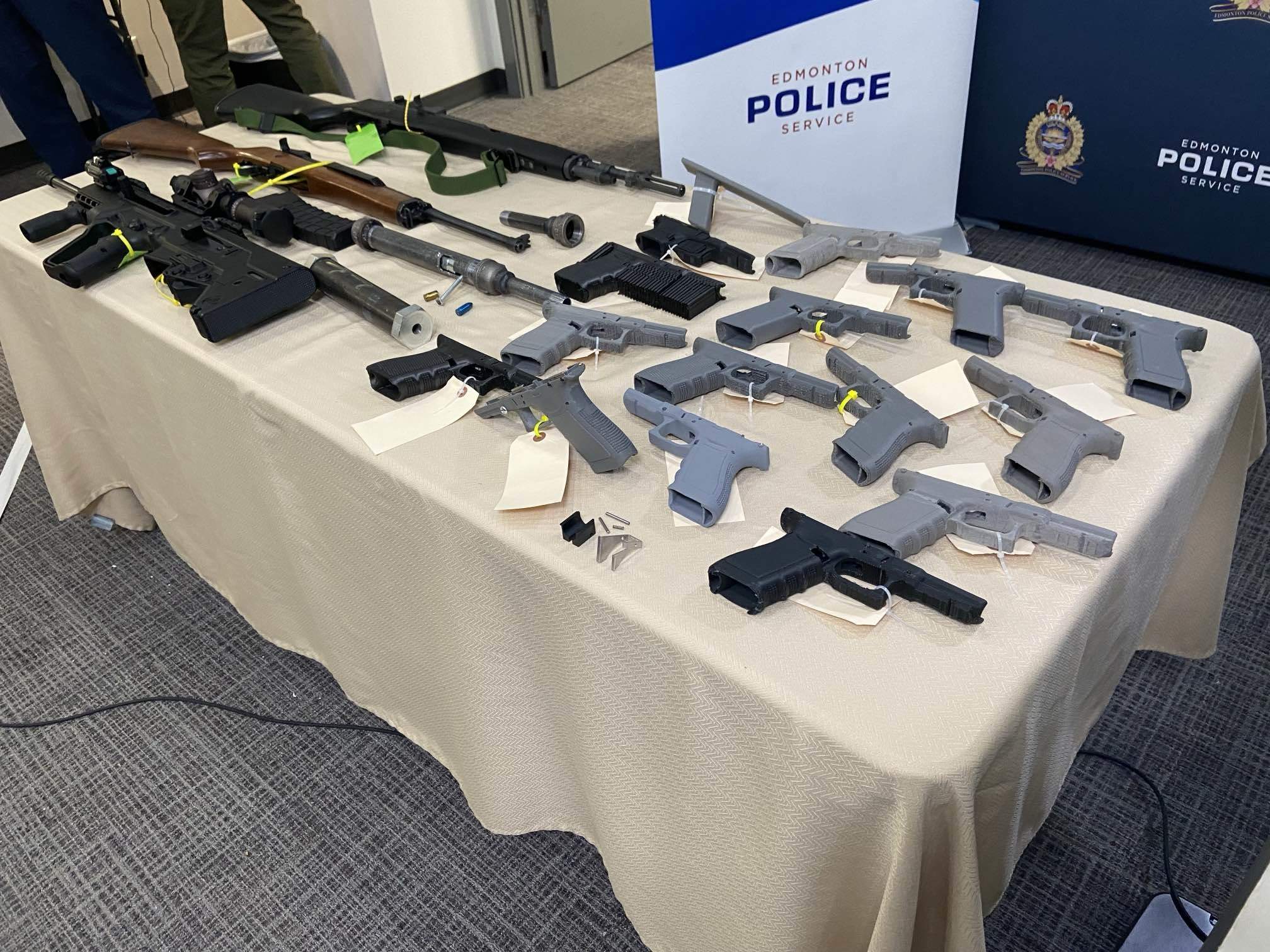
Consider what happens when the tactical unit arrives. There is no warning chime. There is no second chance to cancel the print. There is the shatter of glass, the heavy boots on basement stairs, and the sharp command to put hands on the head. The plastic parts, still warm from the build plate, become evidence tagged in clear plastic bags alongside laptops, hard drives, and digital scales.
In the courtroom months later, the atmosphere shifts from the sleek, sanitized glow of internet chatrooms to the heavy, solemn weight of institutional precedent. Prosecutors do not argue about bits and bytes. They argue about public safety, illicit manufacturing, and the proliferation of untraceable weaponry on Canadian streets. They point out that a firearm is a firearm, whether machined in a state-of-the-art facility or extruded in a suburban bedroom.
The defense often tries to frame it as a technical curiosity, an exercise in pushing the limits of desktop engineering. But judges are unimpressed by the novelty of the medium. The law cares little about how a weapon was made; it cares intensely about the fact that it exists outside the regulatory framework designed to keep communities safe.
Three years.
That is the price of forgetting that cyberspace has physical consequences. It is the time subtracted from a life, spent behind concrete walls and heavy steel doors, far away from the hum of cooling fans and glowing monitors. It is a harsh arithmetic: thirty-six months of confinement traded for a few plastic components that now sit in an evidence locker.
Technology races forward, propelled by a reckless optimism that believes every barrier should be broken simply because it can be. We celebrate disruption, innovation, and democratization of access. Yet we rarely pause to count the wreckage left behind when those digital tools intersect with human volatility and criminal intent.
The basement in Edmonton is dark now. The printer sits cold, its nozzle clogged with hardened residue, gathering dust in the corner of a room that once hummed with forbidden creation. The code remains out there, floating quietly across servers and encrypted channels, waiting for the next curious hand to click download. But the lesson is etched into the walls of a federal penitentiary, where the future is measured not in layer heights, but in days served.