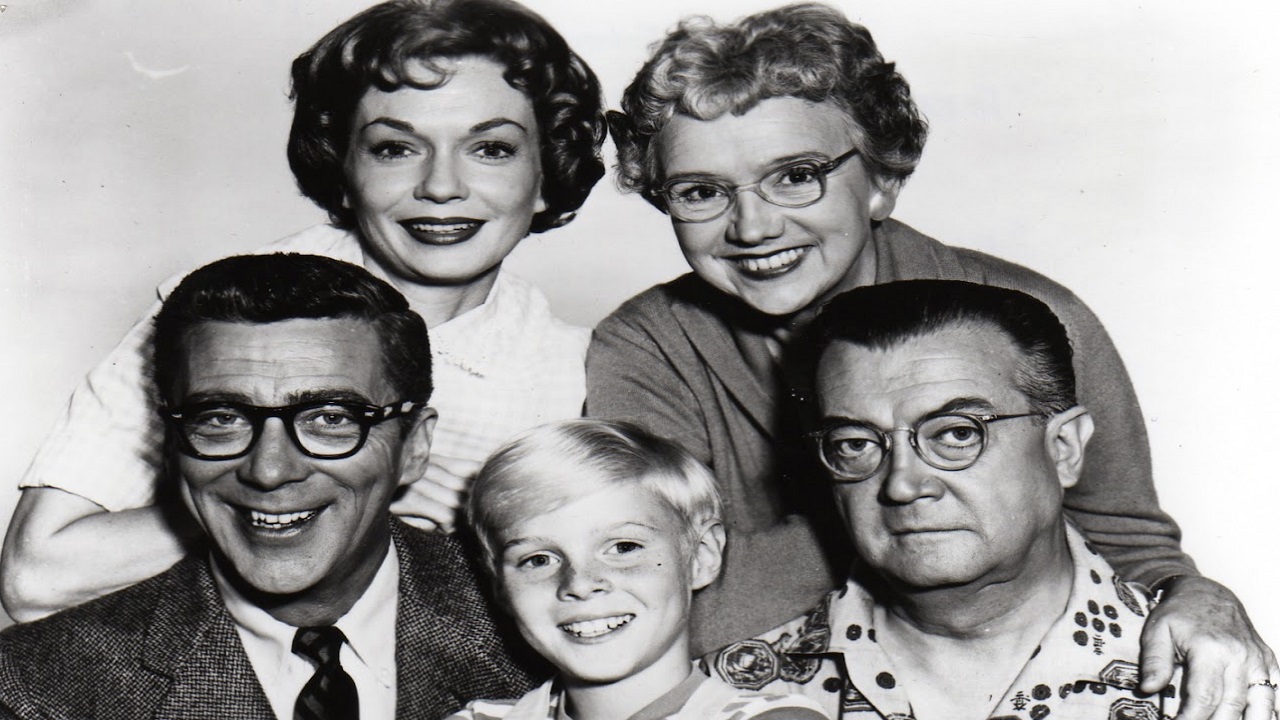
Classic TV fans usually remember the 1959 Dennis the Menace as a sun-drenched, innocent slice of Americana. You’ve got the kid in the striped shirt, the grumpy neighbor, and the smell of fresh-cut grass coming through the black-and-white screen. But look closer.
The Dennis the Menace cast 1959 lineup was actually one of the most talented—and eventually troubled—ensembles of the golden age.
Honestly, it's kinda wild how different the reality was from the suburban dream. While Dennis Mitchell was out causing "accidental" chaos, the actors were dealing with grueling schedules, sudden deaths, and, in the case of the show’s star, some pretty heavy emotional baggage that wouldn't come out for decades.
The Kid Behind the Cowlick: Jay North
Jay North didn't just play Dennis. For four years, he was Dennis.
He beat out hundreds of other kids for the role when he was just six or seven. They even bleached his hair platinum blonde to match the comic strip. Talk about commitment. But if you’ve ever wondered why he seemed so energetic, it might not have been just acting.
Years later, North opened up about the "guardian" system on set. He was managed by his aunt and uncle, who were, by his own account, incredibly strict. We’re talking physical and verbal abuse between takes. Imagine being the most famous kid in America, making everyone laugh, and then getting a "tongue lashing" the second the cameras stopped rolling.
He recently passed away in April 2025 at the age of 73. It’s a bit of a bittersweet legacy. He spent a lot of his adult life working as a corrections officer in Florida, far away from the Hollywood lights that he eventually grew to resent. He once called the show "garbage," though he always appreciated the fans.
The Parents: Henry and Alice Mitchell
Herbert Anderson and Gloria Henry played the quintessential 1950s parents. They were patient. Maybe too patient?
Henry Mitchell was the "straight man." Anderson played him with this sort of weary, intellectual charm. Interestingly, Herbert Anderson was only about ten years younger than Joseph Kearns (who played the "elderly" Mr. Wilson). Makeup and acting did a lot of heavy lifting back then to make those age gaps feel real.
Gloria Henry, as Alice Mitchell, was the heart of the home. She stayed active in the industry for a long time, even popping up in Parks and Recreation in 2012. She lived to be 98! She was the one who later dropped a bombshell about Joseph Kearns’ death, suggesting a fad diet might have been the culprit.
The Tragedy of Mr. Wilson (The First One)
Joseph Kearns was a legend. He was the voice of the Doorknob in Disney’s Alice in Wonderland and a radio veteran. His George Wilson was perfection—fussy, coin-collecting, and perpetually annoyed.
But in 1962, the show hit a massive wall.
Kearns died suddenly of a cerebral hemorrhage at age 55. It happened right after filming the 100th episode. The production was in a total panic. They had two episodes already in the can without him, but they had to figure out how to keep the show going without the man who was essentially the show's co-lead.
Enter Gale Gordon: The "Other" Mr. Wilson
The writers didn't recast George. They couldn't. Instead, they brought in Gale Gordon to play George’s brother, John Wilson.
- The transition: They told the audience George and Martha were "traveling."
- The buy-out: Eventually, John Wilson just bought the house.
- The tone shift: John was a writer, whereas George was a retired salesman.
Gale Gordon brought a more bombastic, loud energy. If you know The Lucy Show, you know his style. He was Lucille Ball’s favorite foil, and he only took the Dennis gig because he was under contract.
The Supporting Troublemakers
You can’t talk about the Dennis the Menace cast 1959 without the kids who rounded out the neighborhood.
Jeannie Russell played Margaret Wade. She was the girl with the glasses and the ringlets who was basically the only person Dennis was actually afraid of. Jeannie and Jay North actually remained friends for decades, which is a rare win for child stars.
Then there was Billy Booth as Tommy. Tommy was the loyal sidekick who usually ended up as collateral damage in Dennis’s schemes. Tragically, Booth passed away relatively young in 2006.
And did you know Ron Howard was in this? Before he was Opie or a world-class director, he played a kid named Stewart in a handful of early episodes. He jumped ship pretty quickly to join The Andy Griffith Show, which, honestly, worked out pretty well for him.
Why the 1959 Version Still Hits Different
There’s a reason people still search for the original cast instead of the 90s movie versions.
The chemistry between Joseph Kearns and Jay North was genuine. Even though Mr. Wilson was "grumpy," you could tell he actually liked the kid. It wasn't mean-spirited. When the show moved to the Gale Gordon years, some fans felt that warmth evaporated a bit.
Also, the wardrobe. The slingshot in the back pocket was actually removed after parents complained it encouraged kids to be violent.
The show finally ended in 1963. Why? Jay North was getting too old. You can’t really be a "menace" when you’re a pre-teen hitting a growth spurt. He traded the overalls for regular slacks in the final season, and the writing was on the wall.
Actionable Insights for Fans and Collectors
If you're looking to dive deeper into the history of this cast, here is what you should actually do:
- Watch the transition episodes: Check out "The Man Next Door" (Kearns’ last) and "John Wilson’s Cushion" (Gordon’s first) to see one of the most awkward cast swaps in TV history.
- Read Jay North’s interviews: Look for his 1990s tell-alls. They provide a sobering look at the "studio kid" life that most PR departments tried to hide.
- Check out the radio work: If you love Joseph Kearns, find old recordings of Suspense or The Cinnamon Bear. His voice was his greatest tool.
- Look for the cameos: Keep an eye out for Sylvia Field (Martha Wilson) in old episodes of Perry Mason. She was a powerhouse actress long before she was baking cookies for Dennis.
The show was a product of its time, but the people who made it were much more complex than the 22-minute scripts allowed them to be. Knowing the struggles Jay North faced or the sudden loss of Joseph Kearns doesn't ruin the show—it just makes you appreciate the work they put in to make it look so easy.