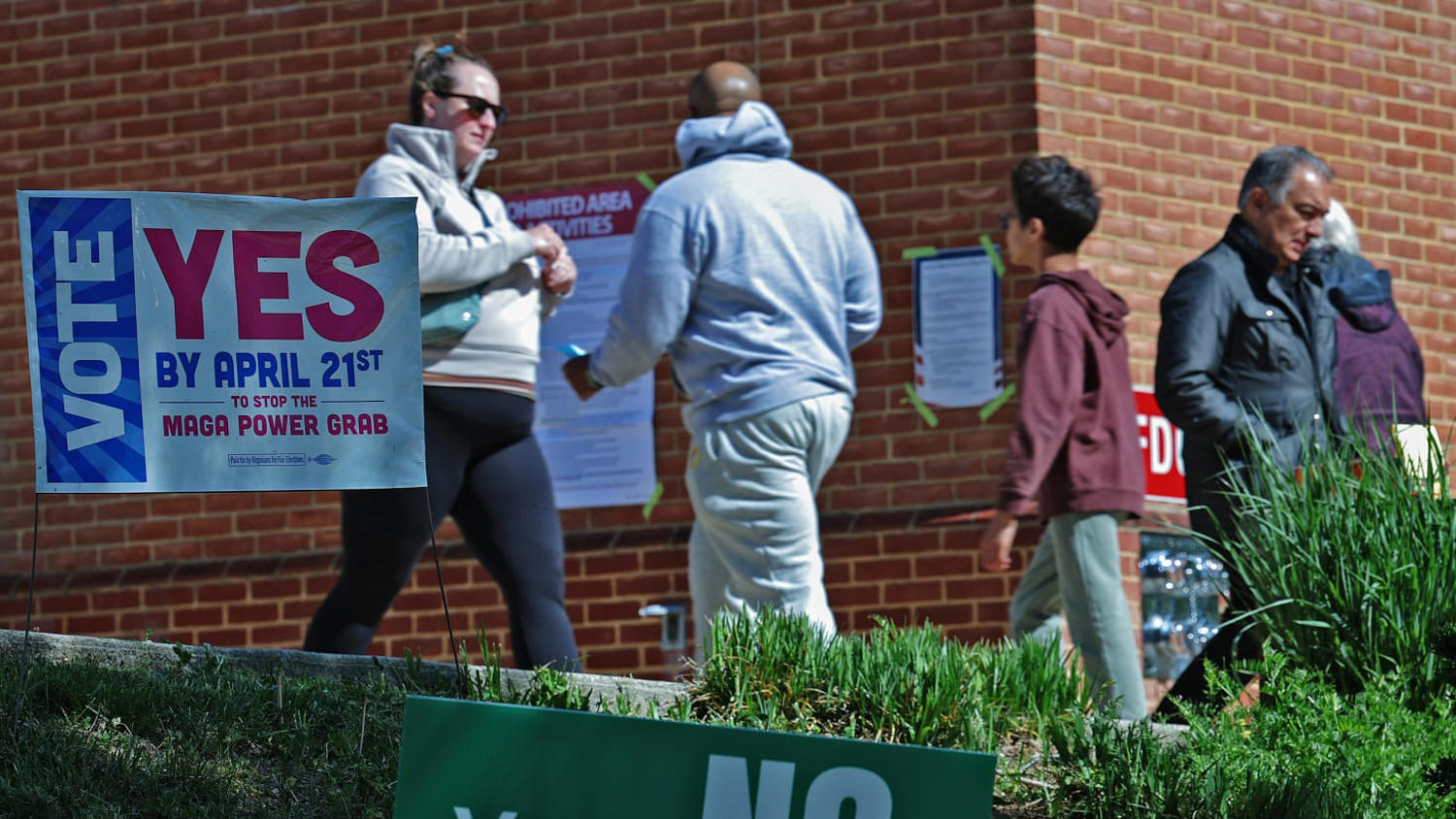
Politics is messy, but the latest numbers don't lie. Democrats are pulling off a series of surprising wins in special elections across the country, signaling a potential shift in the national mood as we head toward the 2026 midterms. At the same time, the Los Angeles Unified School District (LAUSD) is taking a sledgehammer to the digital status quo. They aren't just banning cell phones; they're fundamentally rewriting how kids interact with technology in the classroom.
The Midterm Momentum Shift
Don't let the 2024 presidential results fool you into thinking the political winds are stagnant. In recent months, Democrats have consistently overperformed in special elections, often beating the margins from just two years ago. We've seen this play out in districts from Florida to Virginia.
Why's this happening? It’s largely a reaction to the current administration's struggle with immigration and the nagging weight of high prices. History shows that the party out of power usually gets a "midterm boost," and right now, Democrats are riding that wave with massive fundraising hauls. In high-profile Senate races, candidates like Jon Ossoff and James Talarico are outraising their Republican opponents by millions. Money doesn't always buy a win, but it’s a loud indicator of voter enthusiasm.
The Problem With Party Loyalty
Interestingly, even though Democrats are winning these smaller battles, voters aren't exactly in love with the party. A recent AP-NORC poll shows that only 7 in 10 Democrats actually have a positive view of their own party. It’s a weird paradox. People are voting for Democratic candidates, but they’re doing it with a sense of frustration. They’re "cautiously optimistic" at best.
The winning strategy for many of these candidates hasn't been clinging to the national party brand. Instead, they're running on local issues like healthcare, where Democrats still hold a significant trust advantage over Republicans.
Los Angeles Bans More Than Just Phones
While the political world stares at polling data, Los Angeles is dealing with a different kind of crisis: the "digital pacifier" effect. The LAUSD board recently voted to go "bell-to-bell" with a cell phone ban. Starting in early 2025, students won't just be asked to put their phones away—they’ll be prohibited from using them during lunch and passing periods too.
But here’s the part most people missed. The district is now targeting more than just smartphones. They’re setting strict limits on the tablets and laptops they actually provide to students.
Why Screen Time Is Getting Scrapped
The board's decision isn't just about stopping kids from scrolling TikTok during algebra. It's a response to a mental health emergency. Research has reached a tipping point, showing that even the mere vibration of a text message can tank a student's focus for minutes.
- Preschool through 1st Grade: Digital devices are basically banned, except for mandated testing.
- 2nd Grade through 12th: The district will set hard daily and weekly limits on how long a student can be on a screen.
- Social Interaction: The goal is to force kids to actually talk to each other during lunch instead of sitting in a "digital silo."
School board member Nick Melvoin, who led the charge, argued that the district has a responsibility to protect kids from addictive algorithms. It’s a bold stance because, for the last decade, the trend was "one device for every child." Now, the largest school district in the country is admitting that maybe giving every six-year-old an iPad wasn't the best move for their brain development.
The Enforcement Headache
You can't just tell a teenager to put their phone away and expect them to listen. Schools are looking at a "menu" of options for enforcement. Some might use magnetic pouches (like Yondr), while others will stick to lockers or classroom cubbies.
Parents are split. Some are relieved that the pressure to be "online" is being lifted for six hours a day. Others are terrified. They want to know their kid can text them if there's an emergency. To address this, the policy includes exemptions for emergencies and students with specific medical needs.
What You Should Do Now
If you’re a parent or a voter, these shifts are going to hit your daily life sooner rather than later.
- Check your local school's tech policy. LAUSD is often a bellwether. If they’re doing it, your district is probably discussing it.
- Watch the money. If you're following the midterms, ignore the "toxic" party labels and look at the individual fundraising numbers in swing districts. That's where the real story is.
- Talk to your kids about the "digital detox." If your school is moving toward a ban, start setting those boundaries at home now so the transition isn't a total shock to their system.
The "Morning Rundown" isn't just a list of events. It’s a snapshot of a country trying to find its balance between political upheaval and a desperate need to reconnect in the real world. Whether it's at the ballot box or in the hallway of a middle school, the push for "human interaction" over "digital distraction" is finally gaining some teeth.


