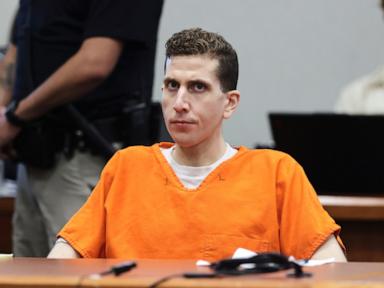
The architecture of a guilty plea is designed to be structurally permanent, yet criminal procedure provides narrow procedural escape hatches for defendants willing to scale high evidentiary walls. Bryan Kohberger, currently serving four consecutive life sentences without the possibility of parole for the November 2022 murders of four University of Idaho students, has initiated a post-conviction challenge to unseat his July 2025 guilty plea. Fourth District Judge Steven Hippler has scheduled status conferences and an evidentiary hearing sequence extending into mid-2027, setting the stage for a rigorous legal examination of how structural coercion, unfulfilled promises, and ineffective assistance claims interact with established judicial records.
The Mechanics of Post-Conviction Relief Versus Direct Appeals
When a defendant executes a plea agreement and waives the right to a direct appeal, the appellate pathway closes, leaving only collateral review channels. Under Idaho law, post-conviction relief functions as an independent civil action rather than a continuation of the original criminal trial. This distinction establishes distinct operational boundaries. A direct appeal evaluates errors made by the trial judge using the existing trial record. Conversely, a post-conviction petition allows the introduction of new evidence or allegations regarding constitutional violations, such as tainted counsel or involuntary consent, which require an independent evidentiary foundation. Meanwhile, you can read similar stories here: How Big Oil Drained California Dry While the State Looked the Other Way.
To invalidate a sentence post-sentencing, the moving party must clear the manifest injustice threshold. This standard demands clear proof that the plea was not entered knowingly, intelligently, and voluntarily. The state's primary legal defense relies on the Rule 11 colloquy—the exhaustive record compiled when the plea was entered. During this phase, defendants must explicitly answer questions under oath, confirming they understand the charges, waive appellate rights, and act free from coercion. Overcoming a clean Rule 11 transcript requires demonstrating that the foundational integrity of the negotiation process was compromised by external manipulation or professional failure.
The Tripartite Framework of the Withdrawal Petition
Kohberger’s petition rests on three distinct operational arguments designed to bypass the binding nature of his initial court admissions: To understand the complete picture, we recommend the detailed analysis by The New York Times.
- Ineffective Assistance of Counsel: The claim that former defense attorneys failed to disclose or adequately review exculpatory material, specifically referencing physical evidence like an unknown hair found in a victim's hand.
- Coercion and Inducement: The assertion that counsel utilized alarming misrepresentations regarding the realities of death row and made unkept promises concerning prison privileges, employment, and contact visits to force compliance.
- Actual Innocence Assertion: The formal retraction of his courtroom confession, returning to a posture of complete non-culpability despite his previous affirmative responses to the presiding judge.
Each component carries a specific evidentiary burden. Proving ineffective assistance requires demonstrating that counsel's performance fell below objective standards of reasonableness and that those failures altered the decision to plead guilty. Merely asserting dissatisfaction post-sentencing is insufficient; the defense must link specific omissions to the destruction of strategic alternatives at trial.
The Evidentiary Bottleneck and Judicial Scrutiny
The progression set by Judge Hippler—culminating in an evidentiary hearing scheduled for June 2027—creates a strict operational timeline. Both prosecution and defense teams must adhere strictly to the Idaho Rules of Court Procedure regarding admissible evidence and witness disclosures.
The primary obstacle for the petitioner is the contradiction between his current claims and his historical testimony. Courts treat contemporaneous courtroom admissions with high evidentiary weight. When a defendant swears under oath that no external promises influenced their choice and that they are pleading guilty because they committed the acts, dismantling that record requires compelling, verifiable proof of systemic failure or bad faith by counsel. Without corroborating documentation or clear testimony from former legal representatives supporting the allegation of coercion, the petition faces a steep uphill battle against the presumption of regularity that protects completed plea proceedings.
Strategic Outlook for the 2027 Evidentiary Hearings
The upcoming proceedings will test the limits of post-conviction relief in high-profile capital negotiations. If the defense successfully demonstrates that material exculpatory evidence was withheld or that counsel employed coercive psychological tactics to bypass the defendant's free will, the court may set aside the conviction, restoring the case to its pre-plea status. If the evidentiary threshold is not met, the petition will be dismissed, cementing the consecutive life sentences without altering the legal landscape. The core battleground will center on the communications between the original legal team and the defendant during the final weeks before the scheduled trial date.