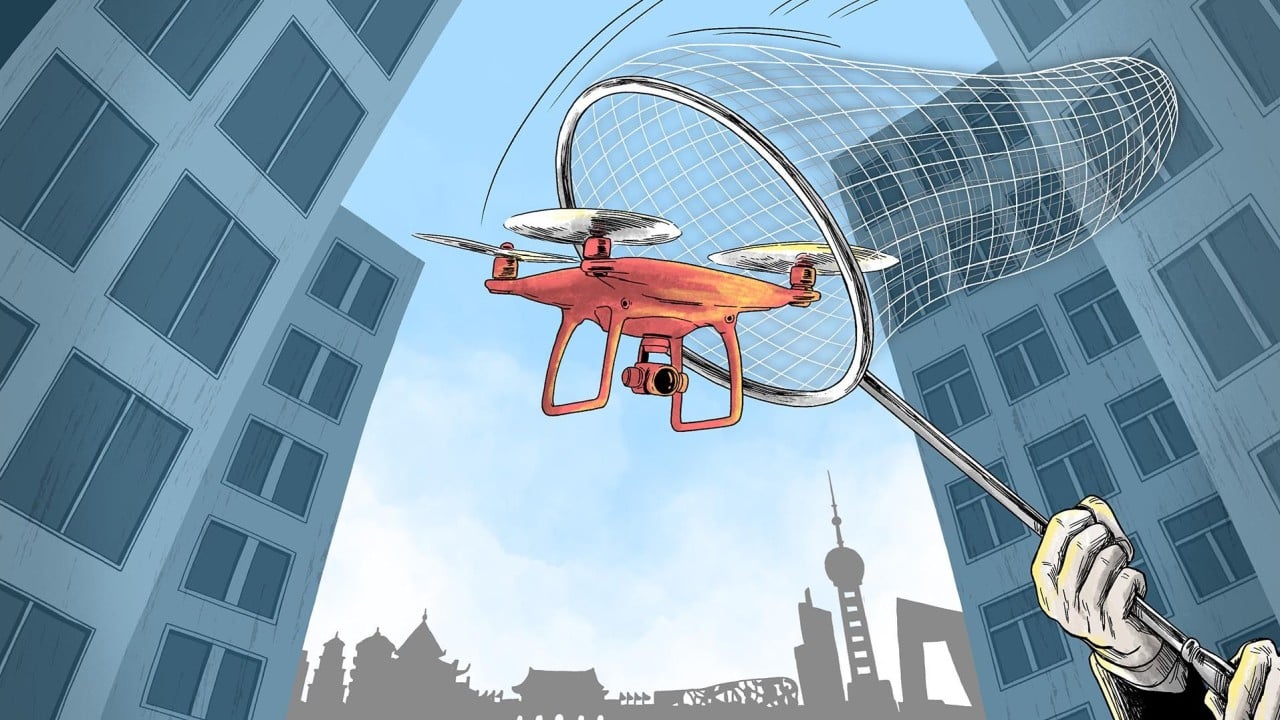
A plastic card sits on a laminate desk in Whitehall, catching the gray morning light filtering through a window. To a programmer, it represents a clean database. To a treasury official, it represents a line item of efficiency. But to the person who would have to carry it, that tiny piece of plastic represents something else entirely. It is a digital tether.
For years, the promise of the UK national digital identity project was sold as the ultimate modern convenience. We were told it would make life frictionless. No more lost passports, no more hunting for utility bills to prove you exist, no more waiting in endless queues to verify your face to a government clerk. The narrative was sleek, polished, and relentlessly corporate.
Then, the political tectonic plates shifted. Andy Burnham walked into Downing Street as the new Prime Minister, took one look at the multi-billion-pound digital identity apparatus waiting on his desk, and quietly pulled the plug.
The announcement from the new administration was brief, almost clinical. The project was being abandoned. The official reasons cited budget reallocations and shifting legislative priorities. But beneath the dry political vocabulary lies a much deeper, more human story about trust, control, and the invisible boundaries we draw between our private lives and the state.
Consider Sarah. She is a fictional composite, but her daily reality is shared by millions of people across the United Kingdom. Sarah is thirty-four, works in social care, rents a drafty flat in Manchester, and manages her life through a cracked smartphone screen. When the digital ID project was first pitched, Sarah did not see a tool of empowerment. She saw an interrogation.
To understand why the digital ID failed, you have to understand what it feels like to live on the wrong side of an algorithm. Every time Sarah logs into a government portal to update her universal credit, apply for housing support, or renew her driving license, she feels a low-level hum of anxiety. The system does not see her sleepless nights or her dedication to her clients. It sees data fields. If one field mismatch occurs, the system locks her out.
The proposed digital ID promised to unify all these disparate systems into a single, comprehensive profile. If your tax data, your health records, your housing status, and your travel history all live in the same digital room, a single glitch can lock you out of your entire life.
Powerlessness. That is the word the tech evangelists never used in their brochures.
Supporters of the abandoned initiative argued that the UK was falling behind the rest of Europe. They pointed to Estonia, where citizens vote, sign contracts, and access prescriptions via a single secure digital identity. It works beautifully there. But Estonia built its digital society from the wreckage of the Soviet collapse, designing its infrastructure with distrust of centralized power baked into the very architecture. They used decentralized systems where the citizen owns the log of who accesses their data.
The UK strategy looked entirely different. It felt like an exercise in top-down consolidation. It asked citizens to hand over the keys to their digital selves without providing any real guarantees that the state would not misuse that access.
The debate around the digital ID was never truly about the technology itself. The technology is relatively simple: encryption keys, secure servers, biometrics, and databases. The real battleground was psychological. It was about the slow, steady erosion of the right to be left alone.
Every interaction with a centralized digital ID leaves a footprint. A digital breadcrumb trail that shows exactly when you verified your age at a shop, when you accessed a public building, or when you logged into a mental health support forum. Even if the government never looks at the data, the mere fact that the trail exists changes how a person behaves. It introduces a subtle, insidious self-censorship. You begin to act as though you are constantly being observed, because, technologically, you are.
When the new Prime Minister decided to scrap the initiative, it was framed by critics as a regressive step, a failure to modernize a struggling nation. They argued that the UK would waste billions maintaining archaic, paper-based systems that are ripe for fraud and human error.
Perhaps they are right about the inefficiency. But efficiency is a dangerous god to worship when human liberty is on the altar.
The collapse of the project forces us to confront a uncomfortable truth about modern governance. We have become so obsessed with fixing the plumbing of the state that we have forgotten about the people living in the house. A government should be felt as a safety net, not a net that captures you.
The death of the UK digital ID is not a story of technological failure. The software worked. The databases were ready. The infrastructure was entirely viable. It failed because it lacked a human soul. It failed because the people running the country finally realized that a citizen is not a collection of data points to be managed, cross-referenced, and verified by a machine.
The plastic card on the Whitehall desk will be recycled. The servers will be wiped and repurposed for mundane administrative tasks. For now, the digital tether has been cut, and the messy, inefficient, beautifully private chaos of ordinary British life carries on.