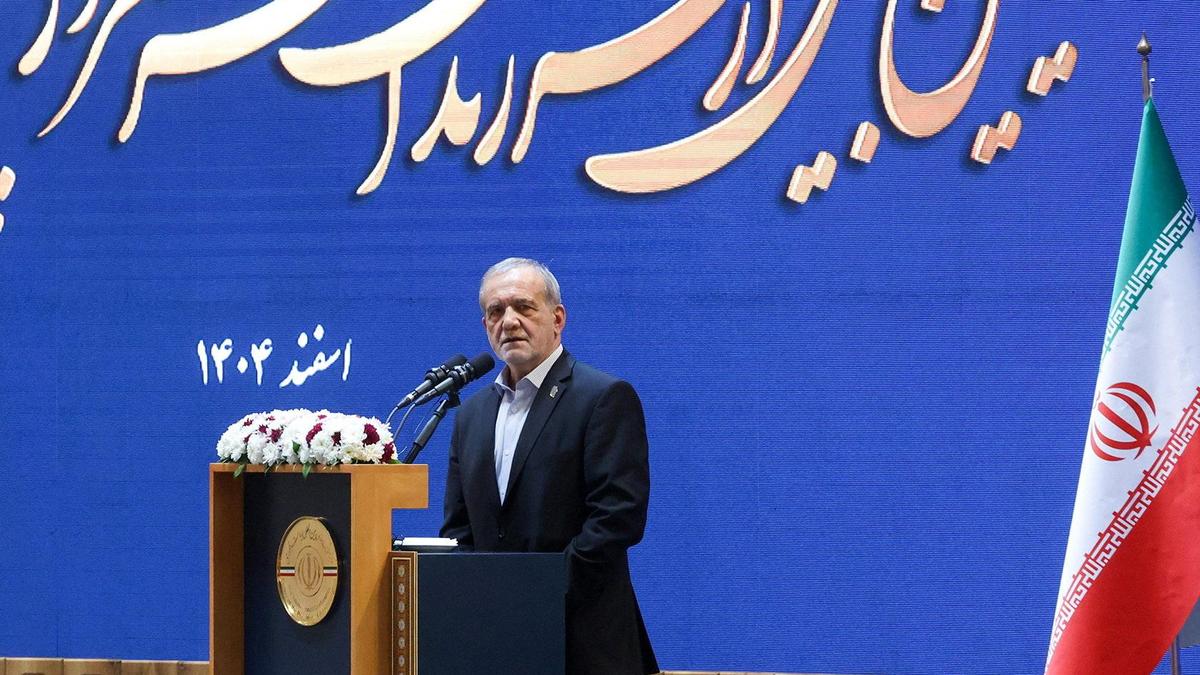
The rumors about the health of Iran’s Supreme Leader aren't new, but the stakes have never been higher than they are right now in 2026. For decades, Ayatollah Ali Khamenei has been the singular gravity well of Iranian politics, holding together a sprawling web of military hardliners, wealthy clerics, and a restive population. If he were to be killed or pass away suddenly, the "vow of revenge" from Tehran wouldn't just be a diplomatic script. It would be a survival mechanism for a regime that knows its internal foundation is cracking.
Most Western observers make the mistake of looking at Iran as a monolith. It’s not. It’s a collection of competing power centers—the Islamic Revolutionary Guard Corps (IRGC), the traditional military, the merchant class, and the shadowy Assembly of Experts. Khamenei is the only one who speaks the language of all these groups. Without him, the "revenge" promised by the state is as much about distracting the Iranian people from a domestic power vacuum as it is about hitting back at a foreign adversary.
The IRGC is the Real Player in the Succession Game
You have to understand that the Islamic Revolutionary Guard Corps (IRGC) isn't just a military branch. They're a multi-billion-dollar corporate empire. They control ports, construction firms, and telecommunications. To them, the Supreme Leader is the protector of their balance sheet. If Khamenei is killed, the IRGC won't just sit back and wait for a bunch of elderly clerics in Qom to pick a successor. They'll likely dictate the choice.
The vow of revenge is their calling card. By launching a retaliatory strike—whether through Hezbollah in Lebanon, the Houthis in Yemen, or direct missile launches from Iranian soil—the IRGC cements its role as the defender of the revolution. It’s a classic move. Create an external crisis to justify internal martial law. If you’re living in Tehran during such a transition, you aren't worried about the new leader’s religious credentials. You’re worried about whether the IRGC is going to shut down the internet and put tanks on the street to prevent a popular uprising.
Why Mojtaba Khamenei is the Name You Need to Know
People keep talking about the "democratic" process of the Assembly of Experts, but let’s be real. The real conversation is about Mojtaba Khamenei, the Supreme Leader’s second son. He’s been operating in the shadows for years, building deep ties with the security apparatus.
There’s a massive problem with this, though. The 1979 Revolution was supposed to end hereditary monarchy in Iran. Turning the Office of the Supreme Leader into a family dynasty is a tough sell, even for some hardliners. It looks too much like the Shah. If Mojtaba is the pick, expect the "revenge" rhetoric to reach a fever pitch. He'll need a "baptism of fire" to prove he’s as tough as his father was. This is where the risk of a miscalculation grows. A symbolic strike that accidentally kills high-ranking Western officials or triggers a full-scale regional war becomes much more likely when a new leader is trying to earn his stripes.
The Proxy Network is a Double Edged Sword
Iran’s "Forward Defense" strategy relies on proxies. We've seen this play out in the Red Sea and across the Levant. But these groups—Hezbollah, Hamas, various Iraqi militias—aren't just robots controlled by a remote in Tehran. They have their own local agendas.
When Tehran vows revenge, these proxies feel the pressure to deliver. But here’s the kicker. Without Khamenei’s personal authority and the specific relationship he had with leaders like the late Qasem Soleimani, the coordination starts to fray. If a militia in Iraq decides to go rogue and launch an unauthorized attack during the chaos of succession, it could drag the entire region into a conflict that even the IRGC isn't ready for.
Honestly, the biggest threat isn't a coordinated Iranian master plan. It’s the chaos of a decentralized revenge campaign. When everyone is trying to prove they are the most loyal to the memory of the "Martyred Leader," the safety switches come off.
Economic Collapse vs Revolutionary Zeal
You can't talk about Iran’s military posture without talking about the rial. The Iranian currency has been in a tailspin for years. Inflation is a monster that the regime can't kill. For the average person in Isfahan or Shiraz, a "vow of revenge" doesn't put bread on the table. In fact, it usually means more sanctions and more economic pain.
There’s a growing disconnect between the rhetoric of the state and the reality of the street. Since the "Woman, Life, Freedom" protests, the psychological contract between the government and the youth is dead. If the leadership focuses entirely on a military response to Khamenei’s death, they risk a total domestic blowup. A country can't fight a regional war while its own capital is on fire. This internal tension is exactly why any revenge will likely be asymmetric. Cyberattacks on global infrastructure or "deniable" maritime sabotage are much cheaper and less likely to trigger a regime-ending invasion than a direct conventional war.
What Happens the Day After
If you're tracking this, stop looking for a single "Big Bang" event. The revenge for a figure like Khamenei would be a multi-year campaign. It's not one missile strike; it's a fundamental shift in how Iran interacts with the world.
Expect a period of intense internal purges. Anyone deemed "moderate" or too willing to negotiate with the West will be sidelined or worse. The leadership will lean into its "Look to the East" policy, tightening ties with Russia and China to provide a diplomatic and economic shield against Western pressure.
The transition period is the most dangerous window. History shows that aging autocracies are at their most volatile when the top seat goes vacant. Whether the successor is Mojtaba Khamenei or a dark-horse cleric, the script is already written. They'll use the "martyrdom" of the previous leader to crush dissent and project power abroad.
Keep an eye on the Strait of Hormuz. It's the ultimate lever. If the regime feels its existence is truly threatened during a messy succession, they won't hesitate to choke global energy supplies. That's the revenge that actually hurts the rest of the world.
Prepare for a long period of regional instability. This isn't just about one man; it's about the survival of a system that has spent forty years preparing for this exact moment of crisis. Watch the movements of the IRGC's Quds Force and the official statements coming out of the Assembly of Experts. Those are the real indicators of whether we’re headed for a controlled transition or a regional conflagration.


