Sarah sat in a beige room in 2018, staring at a small white pill. It was her fourth different antidepressant in three years. Each one promised a resurrection that never came, offering instead a muted, gray existence where the peaks of joy were shaved off alongside the valleys of despair. Her brain felt like a dry sponge, incapable of absorbing the life happening around her.
For decades, this was the compromise of modern psychiatry. We traded our sharpest pain for a dull, permanent fog.
Now, look at Indianapolis. Inside the brick-and-mortar fortress of Eli Lilly and Company, a quiet realization had been festering for years. The pharmaceutical titan that practically invented the modern depression market with Prozac in the late 1980s knew the old chemical playbook was running out of pages. SSRIs, once hailed as miracle molecules, were increasingly seen as blunt instruments. They required daily compliance, took weeks to work, and failed entirely for millions of people like Sarah.
Then came the weird science.
For years, research into psychedelic compounds was banished to the cultural fringe, associated more with tie-dye and counterculture prophets than sterile laboratories. But the clinical trials kept leaking undeniable data into the public consciousness. Under the right conditions, molecules like psilocybin, DMT, and ketamine didn't just mask symptoms. They seemed to rebuild the physical architecture of the brain.
The corporate world noticed. More importantly, Silicon Valley’s contrarian elite noticed.
Peter Thiel, the billionaire venture capitalist known for placing highly speculative bets on the future, poured millions into the psychedelic frontier. He backed the early-stage pioneers who believed that the next generation of mental health treatments wouldn't come from tweaking daily serotonin levels, but from profound, episodic psychological interventions.
And now, the ultimate collision has occurred.
Eli Lilly has stepped across the threshold, acquiring a highly specialized, Thiel-backed psychedelic biotech. The clean-cut Midwestern pharmaceutical establishment just shook hands with the mind-expanding fringe.
It is a transaction measured in hundreds of millions of dollars, but its true cost is measured in the shifting plates of human medicine.
The Death of the Daily Pill
To understand why a conservative giant like Eli Lilly would buy its way into the psychedelic space, you have to look at the sheer desperation of the mental health market.
Traditional antidepressants are a brilliant business model but a flawed therapeutic solution. They are designed for perpetuity. You take them today, tomorrow, and every morning for the foreseeable future. If you stop, the gray wall returns.
But the science of the brain has moved on.
Imagine a ski slope in mid-January. The sleds and skiers have gone down the same paths so many times that deep, icy ruts have formed in the snow. No matter how hard you try to steer, your sled naturally falls into those pre-existing grooves.
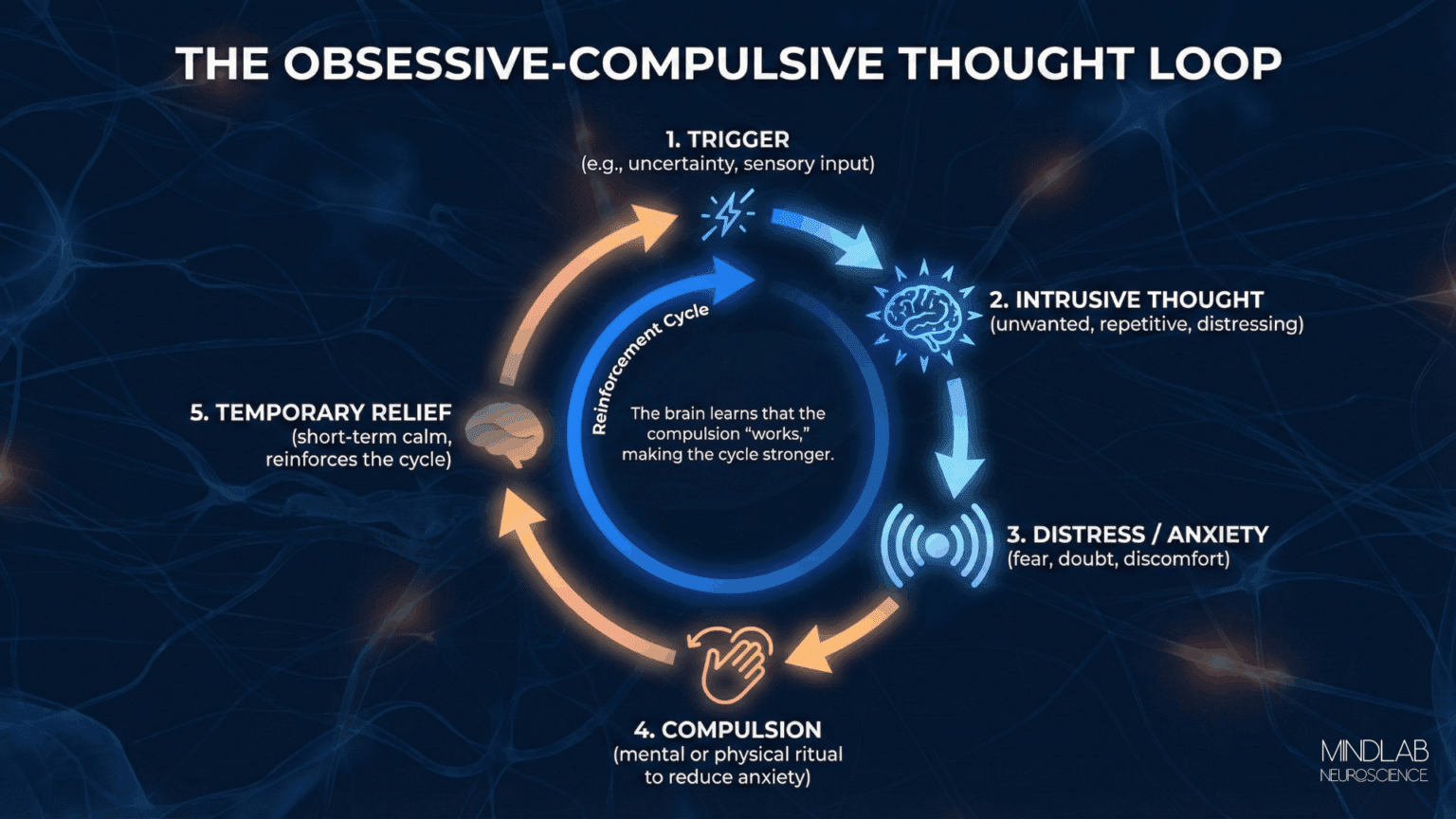
Depression is that icy rut. It is a set of rigid, negative thought patterns deeply grooved into the neural pathways of the brain.
Daily SSRIs act like a salt spreader. They melt a little bit of the ice, making the ride slightly less jarring, but they do nothing to change the path.
Psychedelics work differently. They act like a sudden, heavy blizzard. They blanket the mountain in fresh, untouched powder. Suddenly, the old, destructive ruts are gone. The skier can choose an entirely new direction.
Chemically, this is known as neuroplasticity. Under the influence of these compounds, the brain undergoes a burst of dendritic spine growth. Neurons sprout new connections like branches on a tree after a spring rain. The brain literally rewires itself, allowing patients to escape the mental prison of treatment-resistant depression.
This is not a slow, grinding process of chemical accumulation. It is a sudden, dramatic awakening.
For a company like Eli Lilly, which watched its Prozac patents expire long ago, the writing on the wall was clear. The future of psychiatry does not belong to the daily maintenance of misery. It belongs to the occasional, profound cure.
The Billionaire's Bet and the Suit's Signature
The journey from underground therapy sessions to the corporate balance sheet required an unlikely bridge. Enter the venture capitalists.
Peter Thiel’s investment philosophy has always centered on identifying industries bound by heavy regulation and historical stagnation, then funding the entities bold enough to break the mold. The psychedelic space fit the profile perfectly. It was highly illegal, deeply stigmatized, and held immense, untapped therapeutic potential.
Thiel’s capital helped fund the clinical trials that proved these molecules weren't just street drugs; they were highly potent tools of neurobiology.
Yet, startups face a massive, steep wall when it comes to late-stage clinical trials. Getting a drug through Phase III trials and onto the market requires billions of dollars, army-sized regulatory teams, and massive distribution networks. Biotech startups are excellent at discovery, but they are terrible at scale.
That is where Eli Lilly comes in.
Lilly possesses the machinery. They have the global footprint, the deep pockets, and the ear of the FDA. By acquiring this Thiel-backed biotech, Lilly isn't just buying patents. They are buying a ticket to the future of their own industry.
It is a fascinating cultural compromise. On one side are the researchers who spent decades working in the shadows, believing in the spiritual and psychological healing power of these compounds. On the other side are the executives in tailored suits, looking at spreadsheets and market share.
Yet, this merger of cold corporate efficiency and radical neurobiology might be the only way these medicines ever reach the people who need them most.
The Reality on the Ground
We must be honest about the risks.
The transition of psychedelics from sacred medicine to corporate product is fraught with tension. When a multi-billion-dollar corporation takes control of a substance that has been used for centuries in indigenous ceremonies, something is invariably lost.
There is the risk of medicalization. Will these treatments become so expensive that only the wealthy can afford to have their brains rewired? Will the deeply human, therapeutic element of the psychedelic experience be stripped away in favor of a clinical assembly line?
Already, companies are researching "non-hallucinogenic" psychedelics—molecules that promote neuroplasticity without causing the user to trip.
To some, this is the holy grail: a drug that heals the brain without the messy, unpredictable, and time-consuming spiritual journey. To others, it is a fundamental misunderstanding of how healing works. They argue that the "trip" is not a side effect; it is the medicine itself. The confrontation with one's own subconscious is the very thing that allows the patient to heal.
We do not know which side will win.
What we do know is that the landscape of mental health treatment has changed permanently. The acquisition of a psychedelic biotech by one of the world's largest pharmaceutical companies is the ultimate validation of a movement that started in the margins of science.
For Sarah, still searching for a way out of the gray, the news from Indianapolis isn't just a corporate headline. It is a tiny, flickering light at the end of a very long tunnel. It is the promise that one day, she might not have to take a daily pill just to feel nothing at all. She might actually get to heal.