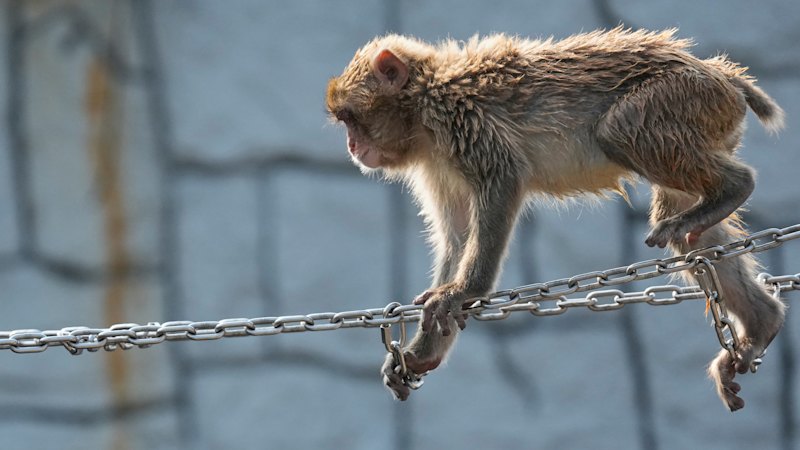
An orphaned baby monkey received two thousand five hundred birthday cards from strangers across the globe. The headline sounds like classic heartwarming human interest filler designed to warm the coldest heart on a slow news day. But the machinery that produces, packages, and monetizes these viral animal moments demands a colder, harder look.
We live in an era where internet algorithms crave manufactured sentiment. When a primate living in a sanctuary or a makeshift rescue receives a mountain of international mail, the public cheers. Millions click. Ad revenue flows.
Behind the cheerful photos of postal workers lugging sacks of paper sit uncomfortable realities regarding wildlife rehabilitation, digital anthropomorphism, and the commercialization of captive animals.
The Anatomy of a Manufactured Milestone
Viral animal phenomena rarely happen by accident. They require specific ingredients. Take an infant primate, stripped of its mother by the illegal pet trade or habitat destruction. Place it in a controlled environment surrounded by human caretakers. Give it a distinct human attribute, like a tiny birthday hat, a miniature cake, or a pile of greeting cards.
Capture the moment on a high-definition camera. Post it to a short-form video platform with an emotive, melancholic audio track.
The public response is immediate. Viewers project their own desires for innocence and connection onto the animal. The primate becomes a blank canvas for human emotion. When a sanctuary announces an upcoming birthday or a milestone, an army of digital followers mobilizes. They send gifts, money, and thousands of pieces of mail.
The numbers look impressive. Two thousand five hundred cards represent an enormous volume of international postage, physical labor, and emotional investment from everyday people who believe they are making a lonely creature feel loved.
Yet, wildlife behaviorists watch these spectacles with deep unease.
Why Primates Do Not Care About Birthday Cards
Wild animals do not understand birthdays. They do not comprehend human calendars, postal systems, or the concept of symbolic well-wishes printed on cardstock.
To a young primate, a mountain of mail is not a celebration. It is foreign clutter, potential chemical exposure from inks and glues, and an unnecessary disruption of a carefully managed habitat. More importantly, the human obsession with showering captive animals with physical gifts masks a darker systemic failure.
Sanctuaries should be rehabilitation engines. The ultimate goal for any rescued wild animal—whenever biologically and physically possible—is eventual release back into a natural habitat, or at the very least, a semi-wild enclosure where human contact is strictly minimized to prevent habituation.
When an organization encourages millions of people to treat a wild animal like a human toddler celebrating a fifth birthday, they move the creature further away from its natural identity.
Habituation kills. A primate that learns to view humans as sources of endless attention, gifts, and emotional validation cannot be rehabilitated for wild release. It becomes a permanent captive entertainer, monetized through digital content to fund the very facility claiming to protect it.
The Attention Economy of Wildlife Rescue
Running a legitimate animal sanctuary is an expensive, grueling endeavor. Feed, veterinary care, secure enclosures, and trained staff cost vast sums of money. Traditional grants and government subsidies rarely cover the true operating expenses of keeping hundreds of displaced animals alive.
Enter the attention economy.
Social media algorithms reward hyper-emotional content. A dry, educational post about habitat fragmentation or anti-poaching laws generates minimal engagement. A video of a baby monkey opening a tiny present generates millions of views, algorithmic distribution, and a surge in online donations.
This creates a perverse incentive structure within the rescue community.
To survive financially, sanctuaries must generate viral moments. They must produce a steady stream of engaging, emotional narratives. If an animal is successfully rehabilitated in quiet obscurity and released without cameras rolling, it stops generating income.
The system subtly pressures organizations to keep high-engagement animals in captivity longer than necessary, or to continually acquire new distressed wildlife to maintain the content pipeline.
The two thousand five hundred birthday cards are not just a measure of public kindness. They are a performance metric for a digital fundraising campaign disguised as a feel-good news story.
The Illusion of Direct Connection
Every time a viewer drops ten dollars into a digital tip jar or mails a greeting card to a famous rescue animal, they experience a hit of moral satisfaction. They feel like active participants in conservation.
This creates a dangerous illusion.
True conservation is boring, bureaucratic, and often tragic. It involves fighting logging conglomerates, lobbying governments for stronger anti-trafficking enforcement, funding local anti-poaching patrols in remote jungles, and protecting vast tracts of land from human encroachment.
Mailing a birthday card to a captive monkey requires zero systemic friction. It demands no political sacrifice, no lifestyle change, and no confrontation with the root causes of wildlife displacement. It offers the emotional payoff of activism without the actual labor of saving ecosystems.
When media outlets amplify these stories without context, they reinforce a sanitized view of nature. They teach the public that the proper response to a global extinction crisis is to buy a greeting card and type a heart emoji in the comments section.
Where the Money Actually Goes
Financial transparency among high-profile animal rescue accounts varies wildly. While some organizations operate with strict ethical standards, others function more like digital media agencies than conservation groups.
A significant percentage of revenue generated by viral animal content goes toward production costs: high-end cameras, editing software, social media managers, and public relations staff. The animal at the center of the viral storm receives a fraction of the economic value it generates.
The primate remains in a cage, surrounded by humans, eating commercial diet chow, while its likeness funds the administrative expansion of a digital brand.
If you truly want to support wildlife, stop sending cards. Stop watching videos that humanize wild animals for entertainment. Look past the viral headlines and find the unglamorous field researchers, indigenous land protectors, and underfunded frontline rangers who are fighting to keep animals out of cages in the first place.
The monkey does not want your card. It wants its forest back.