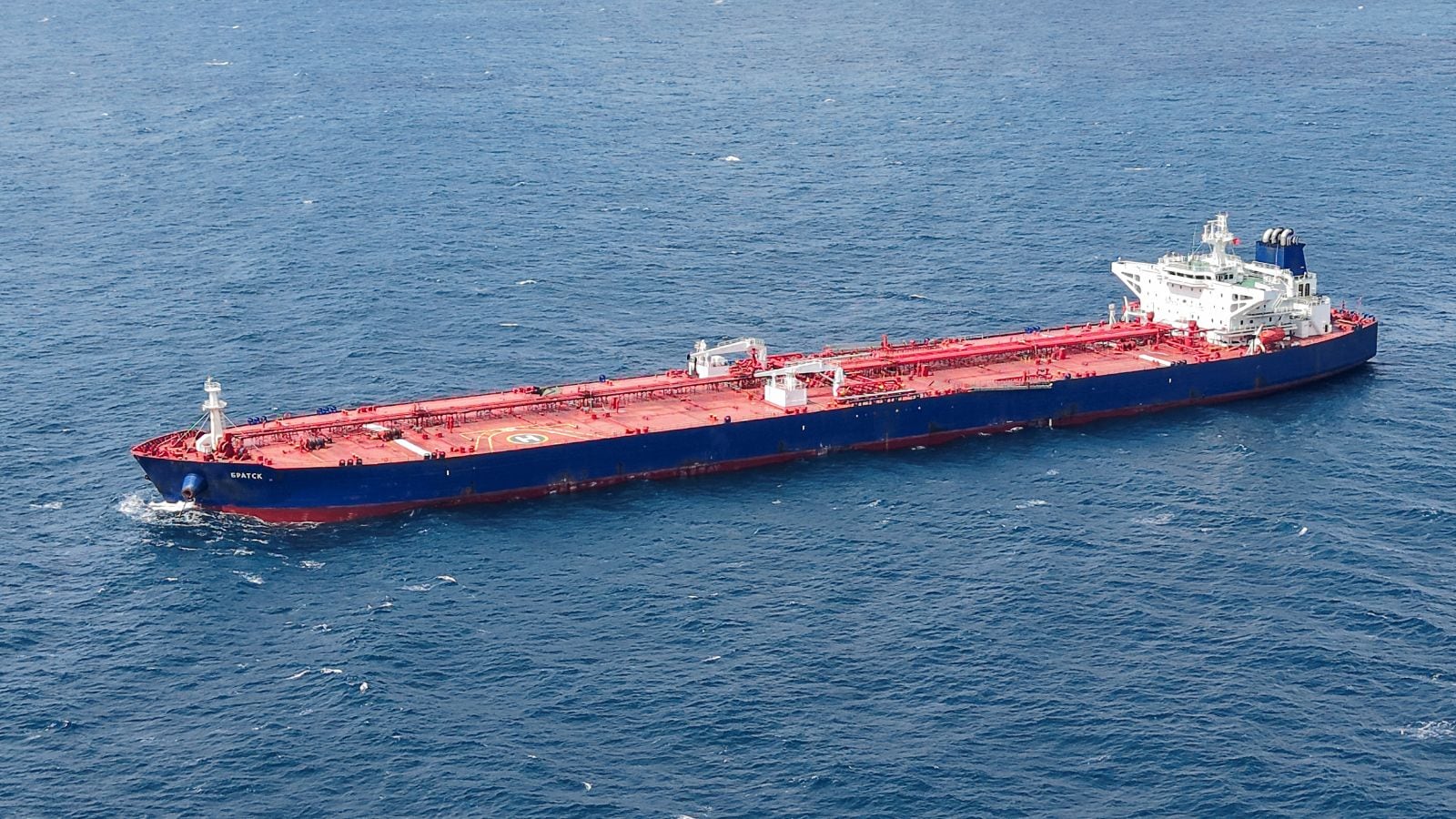
When national diesel prices breach six dollars a gallon, political panic follows a predictable trajectory. Lawmakers representing agricultural heartlands and trucking hubs look at domestic pain points and demand immediate federal intervention. A growing bloc of Republican legislators, alongside agricultural champions like Senator Chuck Grassley, have pushed the White House to slap an emergency ban on American diesel exports. The core argument sounds straightforward to anyone struggling to fill a tractor or a semi-truck. If the fuel is produced on American soil, keep it within American borders, flood the domestic market, and watch prices collapse.
Economics rarely bows to political convenience.
An export ban on distillates would distort an integrated international commodity market, triggering a chain reaction that could ultimately backfire on the very industries it aims to protect. To understand why blocking diesel exports is a hazardous miscalculation, you have to look past populist slogans and examine the mechanical plumbing of global energy markets.
The Illusion of Isolation
The United States is a massive net exporter of refined products. American refineries churn out roughly 5.3 million barrels per day of distillates—which include diesel, heating oil, and jet fuel—while domestic demand absorbs about 3.6 million barrels. That structural surplus is precisely why lawmakers view foreign shipments as a target for retention.
Yet, petroleum products do not exist in a localized vacuum. Global pricing mechanisms dictate that refiners sell to the highest bidder. When domestic buyers compete against European or Latin American purchasers, they pay a global market-clearing price.
Proponents of an export ban assume that trapped inventory will simply pool domestically, forcing suppliers to slash prices. Refineries operate on tight margins and complex optimization models. If federal edicts forbid international sales, domestic refiners cannot simply stockpile millions of barrels of volatile fuel indefinitely. Storage capacity is finite. Instead, the rational commercial response is to scale back refinery runs.
Lower production runs mean less crude processed. Because modern refineries co-produce gasoline and diesel from the exact same barrels of crude oil, choking back diesel output automatically constricts gasoline production. A policy engineered to lower diesel costs could inadvertently reignite spikes at the regular gasoline pump, penalizing everyday drivers while failing to achieve sustainable fuel relief.
The Geopolitical Blowback
Energy markets punish protectionism with swift retaliation and structural realignment. If the United States abruptly shuts off the spigot to international buyers, foreign customers will not simply absorb the shock and wait for policy shifts. They will secure long-term contracts with alternative suppliers in the Middle East, Asia, or remaining non-restricted exporters.
Once those trade relationships fracture, they are exceptionally difficult to rebuild. American energy dominance—hard-won over decades of capital investment and technological advancement—relies heavily on reliability. Breaking supply agreements signals to international buyers that American fuel exports carry regulatory risk. Foreign refiners and state-backed energy giants would step into the vacuum, permanently eroding the market share of U.S. producers.
Furthermore, a U.S. ban would instantly shock the international market, sending global diesel prices skyrocketing. Even if domestic prices dropped momentarily due to a localized glut, imported components, global shipping costs, and manufactured goods tied to worldwide energy inputs would surge, importing inflation back into the American economy through the backdoor.
The Real Fix Requires Structural Patience
Political horizons rarely stretch beyond the next election cycle, but energy infrastructure operates on multi-decade timelines. High diesel prices are symptom-level distress markers caused by structural supply constraints, international conflicts, and capacity bottlenecks.
Artificially trapping fuel inside domestic borders treats the thermometer instead of the infection. True relief requires expanding domestic refining capacity, streamlining transport regulations, and encouraging capital expenditure in exploration and processing.
When lawmakers demand emergency export bans, they offer voters the comforting fiction of absolute control. The reality is far harsher. Tampering with the intricate machinery of global energy trade invites unintended consequences that always land hardest on the producers, haulers, and consumers paying the bills at the pump.