A massive blue whale wrapped in a cosmic dreamscape watched over Dallas drivers for years. Painted on the side of a building at Elm Street and Central Expressway, the "Whalegraph" mural became an accidental monument. It wasn't just paint on brick. It was a visual anchor for the Deep Ellum neighborhood, a gritty arts district constantly fighting to keep its soul.
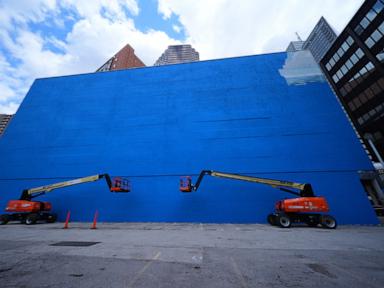
Then the painters arrived with gray primer.
Art heavily tied to local identity vanished overnight. In its place, a massive advertisement for the FIFA World Cup appeared. The corporate makeover sparked instant fury online and in the streets of Dallas. This wasn't an organic shift in public art. It felt like a hostile takeover by global sponsors.
The erasure of the Dallas whale mural exposes a painful truth about city growth. When massive international events roll into town, local culture gets flattened for corporate sponsors.
The Disappearance of a Deep Ellum Icon
Artist Wyland painted the original marine life mural decades ago. Over time, the wall transformed. Artist Elgin Smith reimagined the space, creating the iconic blue whale surrounded by vibrant celestial patterns. It wasn't just a backdrop for Instagram selfies. The mural served as a welcoming committee for anyone entering Deep Ellum.
Art gets painted over constantly in shifting urban areas. That's the nature of street art. But the secrecy and timing of this specific erasure caught the community off guard. Workers quietly blanked out the whale to clear the canvas for a massive promotional graphic celebrating the World Cup games coming to AT&T Stadium in Arlington.
People noticed immediately. Local social media channels erupted with photos of the half-gray wall. The backlash wasn't aimed at sports fans or soccer. It targeted the blatant prioritization of billionaire sports organizations over homegrown Texas artists.
Why Public Art Matters More Than Corporate Branding
Public art creates a sense of place. A massive corporation simply sees a high-traffic billboard. The intersection where the whale lived sees thousands of cars every single day. For FIFA and local organizers, that wall represents prime real estate to push a global brand. For residents, it represents the steady commodification of their neighborhood.
This clash highlights a growing problem in major American cities.
- Local landmarks get turned into temporary ad space.
- Artists get pushed out by rising rents and corporate building owners.
- Neighborhood history gets whitewashed for short-term tourism dollars.
Dallas city leaders frequently talk about supporting local creatives. Yet, when global entities arrive with massive checkbooks, those promises tend to evaporate. The replacing of a beloved community mural with a temporary tournament ad proves that money talks louder than cultural preservation.
The Complex Realities of Property Rights and Murals
There is a legal side to this mess that critics often ignore. The building at 2801 Elm Street is privately owned. The owners have the legal right to lease their walls to whoever they want. If a marketing agency offers a massive payout to paint a World Cup graphic on the brick, the building owner has every right to accept the deal.
The Visual Artists Rights Act protects certain public artworks from destruction, but the law has massive loopholes. Most commercial mural contracts explicitly state that the art can be altered or removed after a certain period. The original whale mural wasn't a protected historic monument. It was a lease-dependent piece of public expression.
That legal reality doesn't lessen the emotional sting. It shows a massive gap between what is legal and what is good for a neighborhood's identity. When public art is entirely dependent on the whims of commercial landlords, culture becomes temporary.
How to Protect Local Public Art in Your Community
You don't have to just watch your favorite neighborhood landmarks get painted over by marketing firms. Communities can take direct action to prevent corporate interests from swallowing local art.
First, push for city-backed cultural easements. Cities can create specific zoning protections or historical designations for iconic murals. This prevents property owners from destroying culturally significant art without a public review process.
Second, support local arts preservation groups. Organizations that fund public art need to negotiate longer-term contracts with property owners. Securing five-year or ten-year preservation agreements ensures that a mural won't vanish the moment a major sporting event rolls into town.
Finally, vote with your attention and your wallet. Call out the brands that destroy local culture for temporary ad campaigns. Make it clear to local organizing committees that flattening neighborhood identity hurts their public image. True city growth shouldn't require erasing the things that made the city worth visiting in the first place. Go support local Dallas artists directly by buying their work, attending independent gallery openings, and demanding that city council members protect community spaces before the next big corporate wave hits Texas.